
Brand Heat: Why Winter Brands Are Going All In on Summer
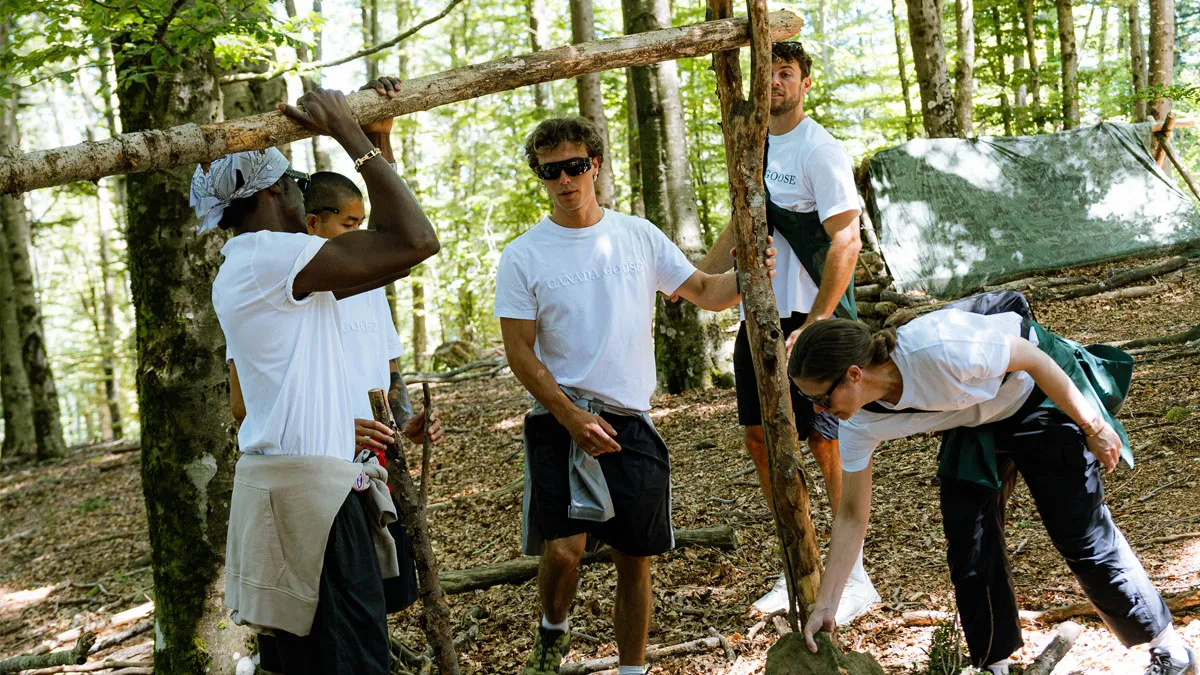
This diversification into perennial apparel has huge financial potential. “In Q1 FY27, non-outerwear categories represented nearly 40% of our revenue, compared with approximately 5% five years ago,” says Baker. Moncler’s most recent earnings call revealed a strong response to its first “end-to-end” summer collection. “This represents the kickoff of a long-term commitment that we have as a brand,” said chief brand officer Gino Fisanotti on the call, noting that he wanted the luxury alpine label to become relevant “across the entire year”.
But performance outerwear brands have to prevent this new focus on summer from diluting their winter offerings. Spending on warmer-weather campaigns means borrowing, very literally, from cash put aside for rainy days. So how can brands enter the summer arena without losing their winter dominance?
Transitional style
When thinking about summer, the first place to start is winter. Outerwear brands have mastered a technical approach to clothing that is, in many ways, transferable to different temperatures.
“Whether someone is climbing an ice wall in winter or training indoors during summer, the performance needs remain similar: freedom of movement, protection, breathability, and durability,” says Thin. “We have nearly 70 years of product history to draw from, and we’re constantly finding new ways to reinterpret that heritage through different materials, weights and silhouettes,” says Baker. “They can do this by implementing the kind of technical detailing we’d previously have seen on heavier jackets across other products — whether that’s shorts, shirts, skirts or even headwear,” says Robinson. “People crave technical details year-round, but unfortunately there are fewer and fewer days in the calendar year now when a down jacket or hardshell is actually suitable.”
But that doesn’t mean that it’s a drag-and-drop job. “For us, it’s not about simply taking a winter product and making a lighter version of it,” says Baker. “It’s about going back to the function, construction, and design thinking that made those pieces distinctive in the first place and asking how that can solve a different need today.” The new summer Mirage Jacket, for example — an uninsulated outer layer — takes inspiration from the 1990s Constable Jacket — a heavier-duty winter coat. The North Face’s signature Futurelight membranes, a novel waterproof technology, protect the wearer from wind and rain while allowing heat to escape when running or hiking. Similarly, its Lightrange finish boasts UPF properties, meaning it can protect your skin from the sun.

Source link
