
2026 World Cup: How Adidas’ Trionda ball helped overturn offside decision
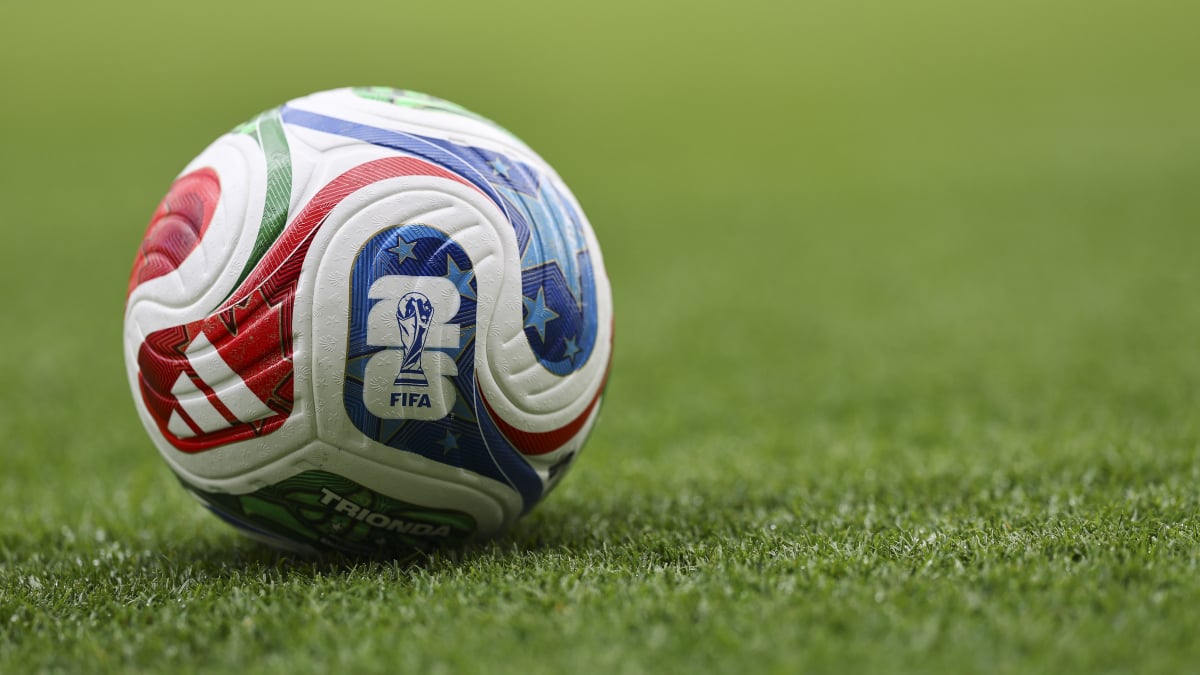
The official ball of the World Cup now has something in common with mobile phones, smartwatches, and just about every other modern technology. That means it needs to be charged.
Adidas’ Trionda, the match ball used for the 2026 World Cup, is more than just a four-panel soccer ball with a red, green and blue design nodding to the United States, Mexico and Canada. This is also a connected device. Inside the ball is a small motion sensor that tracks the ball’s movement hundreds of times per second and sends the data to the VAR room in real time.
This Tweet is currently unavailable. It may be loading or it may have been deleted.
This may seem like a strange detail for a sport that is still built around feet, grass, bodies, and instincts. But the ball had already proven its worth in Sweden’s win over Tunisia, as internal sensors helped determine whether a record-setting goal should be counted.
World Cup tourists immerse themselves in American daily life
Midfielder Matthias Svanberg came on as a substitute in the 84th minute of Sweden’s win over Tunisia on Sunday, June 14th, and scored a goal with his first touch just 12 seconds into the game. The goal became the fastest ever by a substitute to score in a World Cup, but it was initially ruled out for offside.
Mashable Trend Report
This Tweet is currently unavailable. It may be loading or it may have been deleted.
The review went down to subtle details like whether Swedish forward Alexander Isak lightly touched the ball before it reached Svanberg. If he hadn’t touched it, Svanberg would have remained offside. That way, the phase of play can be reset and the goal counted.
According to ESPN’s VAR investigation of the incident, officials used Adidas’ connected ball tracking technology to determine that Issac did in fact make contact. The touch was so slight that it was difficult, if not impossible, to clearly determine with the naked eye, but the sensor recorded it. The initial offside decision was overturned by VAR. Svanberg’s record-setting goal was scored.
Connected ball technology is not new to the World Cup. Adidas used a sensor-equipped match ball for the first time at the 2022 Qatar World Cup. However, for 2026, the technology has been updated to include a side-mounted 500Hz chip in one of Trionda’s four panels, allowing the ball to send real-time three-dimensional movement and touch data to VAR.
In a World Cup increasingly shaped by technology, even the smallest touch can now be enough to make history.

