
5 Lowest Risk Fruits and Vegetables to Eat as Cyclosporiasis Outbreak Grows
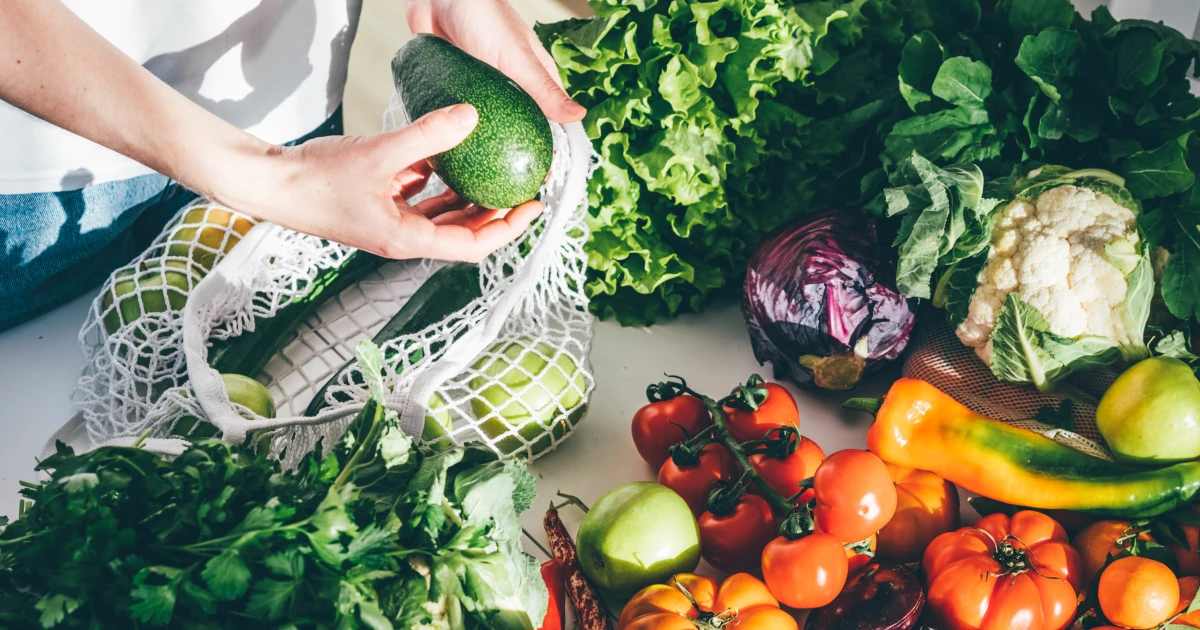
Summer is normally one of the best times of the year to enjoy fresh produce. But this year, outbreaks of a diarrhea-producing parasite called cyclospora have sparked concern over the safety of many popular fruits and vegetables.
Since May, the United States has seen a surge in cases of cyclosporiasis, a stomach-churning infection which causes watery, “explosive” diarrhea.
People become infected by ingesting food or water contaminated with the Cyclospora cayetanensis parasite, and raw produce is a common culprit. Infections normally ramp up in the summer, but this year cyclosporiasis rates have hit record-high levels.
As of Aug. 7, over 22,000 confirmed or suspected cyclosporiasis cases have been reported in 47 U.S. states since May, according to the U.S. Centers for Disease Control and Prevention.
The Food and Drug Administration is currently investigating six separate cyclospora outbreaks nationwide — the largest one spans at least 15 states, including Michigan, Ohio, Indiana and Missouri.
Health authorities have identified shredded iceberg lettuce as a possible source of the 15-state outbreak. The lettuce was served at Taco Bell and supplied by Taylor Farms, which has since issued a nationwide recall of its iceberg lettuce from central Mexico. (Taco Bell also removed all affected lettuce from its supply chain.)
Michigan has been hit the hardest — the state has reported over 12,400 cases and two deaths so far, per the Michigan Department of Health and Human Services.
However, state authorities have said it appears the deadly cyclospora outbreak in Michigan is slowing.
It’s unclear if the other outbreaks are connected, and health officials are still investigating other possible sources.
Cyclospora is notoriously hard to track compared to other foodborne pathogens, Donald Schaffner, Ph.D., professor of food microbiology in the Department of Food Science at Rutgers University, tells TODAY.com. Many cases — and some outbreaks — are never traced back to a specific source, he adds.
Although lettuce is all over the news, it may not be the only food driving the surge in cyclosporiasis cases, experts previously told TODAY.com.
If you’ve been scared of salad lately, you’re not alone — but is it necessary to dodge certain produce? Are certain fruits and vegetables less risky? We spoke to experts to find out.
Is It Safe to Eat Fresh Produce Right Now?
“I don’t think there’s enough evidence to suggest that we should stop eating fresh produce,” says Schaffner. The vast majority of raw fruits and vegetables available are safe to eat.
“I haven’t stopped eating fresh produce or done anything extreme,” Wade Syers, a food safety specialist with Michigan State University Extension, tells TODAY.com.
So far, one recall has been issued in connection with the 15-state cyclospora outbreak. Taylor Farms has removed all of its iceberg lettuce sourced from central Mexico from the U.S. market.
The affected products (see a full list) were distributed to 27 states, per the FDA. Health officials are advising people who purchased recalled lettuce to discard it immediately.
However, it’s unlikely that the tainted lettuce is still widely available due to the limited shelf life, Schaffner points out.
In Michigan, health officials have already lifted lettuce warnings. “We still may see new cases in that outbreak, but that’s from people that ate lettuce weeks ago,” Schaffner adds.
Investigations are still ongoing. In North Carolina, officials have identified cilantro or parsley as a potential culprit, but emphasize that there could be multiple sources.
In the meantime, the experts recommend staying informed. “What I have done is pay closer attention to outbreak updates and recalls,” says Syers.
Which Fruits and Vegetables Are Highest Risk?
Historically, certain types of produce have been linked to past cyclosporiasis outbreaks in the U.S.
These include fruits and vegetables that are eaten raw and can be difficult to clean thoroughly, such as leafy greens, fresh herbs, and berries, Syers explains.
Common culprits include lettuce, cilantro, basil, raspberries, green onion and snow peas.
“These foods also have many small surfaces and crevices where contamination can be difficult to remove,” Syers adds.
However, any fruit or vegetable could pose a risk if it comes into contact with stool, soil or water contaminated with cyclospora, Dr. Miguel Cabada, associate professor in the Division of Infectious Diseases at the University of Texas Medical Branch, tells TODAY.com.
“There are specific things that have to go wrong” in order for contamination to happen, Schaffner emphasizes.
One example is food being handled by an infected harvester, Luke LaBorde, Ph.D., professor emeritus of food science at Penn State University, tells TODAY.com.
The hardy parasite can survive for weeks and is resistant to common disinfectants, making it hard to eliminate.
So avoiding certain fruits and vegetables because they were linked to past outbreaks isn’t a guarantee — but the choice is up to consumers.
Which Fruits and Vegetables Are Lower Risk?
“No fresh produce is completely risk-free,” says Syers.
However, there are certain types of produce which have never been linked to a cyclospora outbreak and may be less likely to be contaminated with the paraiste.
Fruits and Vegetables That Are Cooked
“If you want to have your best chance of being cyclospora-free, simply cook everything that you eat,” says Schaffner.
Research shows that cooking produce to an internal temperature of at least 158 degrees Fahrenheit is the only effective way to kill cyclospora, the experts note.
“In general, food that’s cooked before eating tends to be lower risk because heat can destroy or deactivate many pathogens,” Syers adds.
Fruits and Vegetables With a Removable Peel
“Any vegetable or fruit with a thick skin that can be thoroughly peeled carries a lower risk,” says Cabada.
Think produce where you remove the peel or rind completely and discard it before eating — like bananas, avocados or pineapple.
“Removing that skin wouldn’t eliminate the risk, but it reduces the risk,” says Schaffner.
The peeling process is another factor. If the knife or peeler cuts into the flesh that you eat, this can transfer contaminants from the surface. Always wash utensils thoroughly with hot water and soap before and after using them, Cadaba notes.
Firm Produce With a Smooth Surface
“Produce with a smooth surface, such as melons, may also be easier to clean than produce with lots of crevices,” says Syers.
Examples include cucumbers, carrots, watermelon and potatoes.
These can be thoroughly scrubbed with a produce brush before chopping or eating. Washing will not remove the cyclospora parasite entirely and isn’t a guarantee of safety, says Schaffner, but it can help remove debris and surface contaminants.
Commercially Blanched and Frozen Produce
Freezing alone is not a reliable way to prevent cyclospora — it may inactivate the parasite, but won’t destroy it, the experts note. “Freezing at home is not useful,” Cadaba says.
Commercially frozen fruits and vegetables, on the other hand, are typically blanched before being frozen, Schaffner notes. This involves briefly boiling or steaming the produce.
“Blanching can have a beneficial effect in terms of controlling certain bacterial pathogens,” says Schaffner. It may lower the risk of cyclospora, he adds, but it still isn’t a 100% guarantee.
Research shows no commercially frozen vegetables have been associated with cyclosporiasis infections, according to a 2020 review published Foods. There have been no cyclospora outbreaks in the U.S. linked to frozen produce so far, per the CDC.
Canned Fruits and Vegetables
They’re a few steps away from the fresh versions, but canned vegetables and fruits are also a safer option when it comes to cyclospora.
The canning process involves applying high heat, which kills parasites and other germs to extend the food’s shelf life. “The canning process should be capable of destroying any cyclospora many times over,” Schaffner adds.
To date, no outbreaks have been linked to commercially canned produce, the CDC says on its website.
Tips to Stay Safe From Cyclospora
If you’re worried about cyclospora, you can take extra steps in the kitchen to lower your risk, Syers notes. Even when there isn’t an outbreak, it’s always a good idea to follow basic food safety practices to keep you and your family safe.
Here are a few tips from the experts:
Wash your hands before and after handling produce.Rinse all fruits and vegetables under clean, running water.Opt for whole head lettuce over bagged or boxed salad.Remove the outer layers, leaves or peel of produce before eating.Prevent cross-contamination by cleaning knives, cutting boards and food preparation surfaces.
If you develop severe gastrointestinal symptoms, always contact your doctor.
Source link

