
Which main inline connector should I use? A practical guide
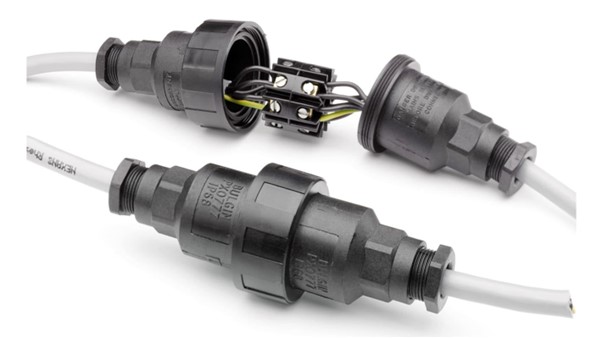
When working with electrical projects, it is almost impossible to ignore the main inline connector. These small tools are important for electrical setups, especially when flexibility, safety and durability are important.
However, different electrical setups have different requirements. That is, there are many different types of connectors. When choosing the main inline connector, it should be consistent with the task to avoid performance degradation, overheating, and safety hazards.
This guide will help you know what to look for based on your setup.
What is a main inline connector?
The mains inline connector is basically used to connect two power cables. Usually, this is when you want to extend the main electricity from one point to another. Instead of hard wiring or long extension leads, connectors offer a cleaner, safer, and more flexible solution.
A common use case for these connectors is to create a securely compliant connection between the power supply and the equipment that is away from the fixed power supply. Either indoor or outdoor environments, such as building equipment or event setups.
What makes inline connectors popular and very useful is that they are extremely practical. Typically, it includes:
A plug-and-socket system that allows you to reverse connections if necessary. Cable grips to hold the wires safely in place. An insulated home that helps users stay safe from electrical contact.
It comes in a variety of shapes and sizes as it is used in a variety of setups.
Two main types
The main inline connectors are grouped into two main categories: two pins and three pin connectors. It’s important to understand the differences as each is designed for different classes of appliances.
2-pin-line connector
The 2-pin-line connector is used in Class 2 appliances. These are usually double-insulated and do not require any earth connections. They are most common in low power setups, such as signs and LED lighting systems.
A 2-pin inline connector is easy to use, but you need to make sure that the appliance you are connecting does not require grounding.
3-pin-line connector
A 3-pin-line connector has been created for the Class 1 appliance. These are devices that need to be grounded as they normally use high voltages or have metal casings. They include refrigeration units, HVAC systems, and industrial equipment.
The third pin, which forms a triangle with two power pins, is a dedicated earth pin for security from power outages. Connectors usually have a more sturdy design and provide additional protection, such as splash resistance.
How to Choose the Right Main Inline Connector
Choosing the correct inline connector varies from job to job, so you need to ask yourself a few practical questions. Which type of appliance are you connected? In which environment is the connector used? How much power should it pass?
Answers to these will help you match the connectors to your setup usage and safety requirements.
Specific considerations are as follows:
Appliance Class: If the device is double-insulated, a 2-pin connector is required. If you have a metal casing or use a lot of power, you’ll need the 3-pin option. Indoor or Outdoor Use: Check the Waterproofing rating if you are working on outdoor projects or wet environments. IP65 protects against splash. IP67 is sufficient for temporary submarines, but IP68 is required for maximum protection from water. Durability: If the connector is exposed to wear in areas of high movement, choose one with a sturdy casing and built-in tension relief. Cable Size Compatibility: Make sure the connector fits well with the cable diameter. If it is too loose, there is a safety risk. If it’s too tight, it can be difficult to install. Voltage and Current Rating: Always match the connector specifications with the device’s power requirements. Overload can lead to overheating and breakdowns by chance.
Take time to pass through device, environment, and power requirements before selecting an inline connector. This allows you to select the right connector and ensure that the connection is stable, secure and reliable.
Source link

