
Harmful PFA detected in reusable female hygiene products
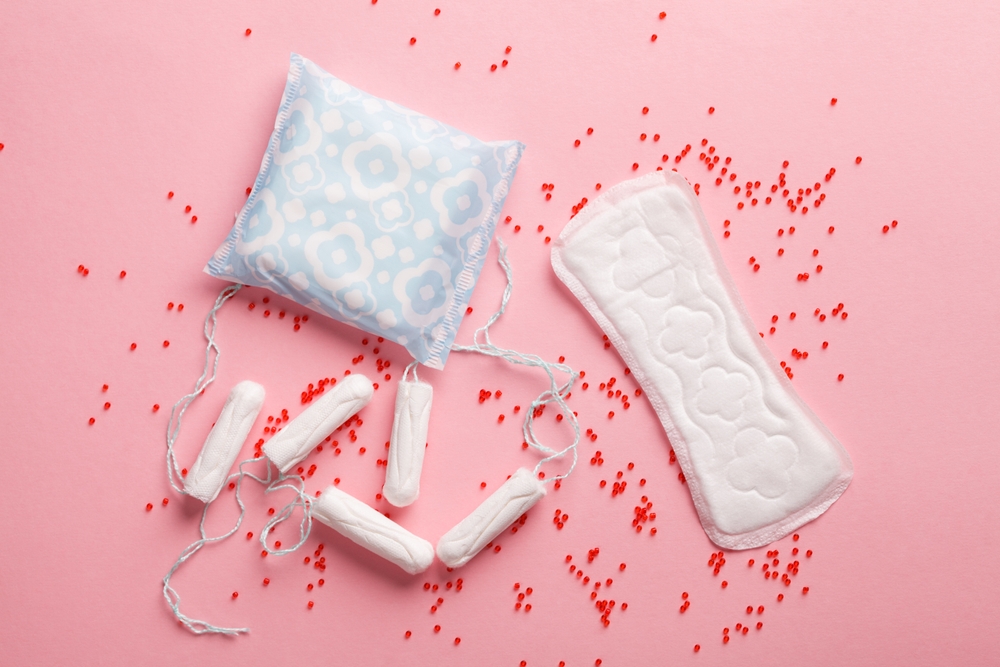
The new research raises concerns about the existence of potentially harmful and eternal chemicals in environmentally friendly menstrual care products.
Recent studies conducted by researchers at Paul H. O’Neill School of Public Environment at Indiana University and the University of Notre Dame revealed the presence of single and polyfluoroalkyl substances (PFAs) in a variety of reusable women’s hygiene products.
These so-called “eternal chemicals” were detected in almost 30% of the 59 tested products spanning categories such as period underwear, reusable pads, menstrual cups, and incontinence wear.
This study is the first to confirm the intentional use of PFA in reusable menstrual products. It has become clear that items are sourced from North, South American and European markets and are often sold as disposable alternatives.
Understanding PFA and its health risks
PFA is a group of synthetic chemicals widely used in consumer products for their resistance to water, heat and oil.
Because Forever Chemicals often do not easily break down in the environment or in the human body, PFA is associated with a variety of serious health issues.
These include hormone destruction, immune system suppression, developmental problems in children, and increased risk of cancers such as kidney and testicular cancer.
Of particular concern in this study was the detection of 8:2 fluorotelomeral alcohol (8:2 FTOH), a PFAS compound that was previously phased out from food packaging due to its persistence.
When absorbed, 8:2 ftoh can metabolize Perfluorooctano acid (PFOA), a more toxic and carcinogenic compound.
Exposure to PFA by intake is more widely understood, but skin absorption due to prolonged contact, especially in sensitive areas, remains under-studied. This makes it particularly troublesome in feminine hygiene products.
Sustainability and safety
As more consumers seek environmentally friendly alternatives to disposable menstrual products, reusable options have seen a surge in popularity.
However, this study raises important questions about the materials used in manufacturing. Despite being qualified as a green, products containing PFA can still contribute to environmental pollution when they are disposed of in landfills where chemicals leach into soil and water sources.
Double risks – direct human exposure and environmental pollution – underscore the need for stricter regulations and increased industry transparency.
A safer alternative is possible
Encouraged, the researchers discovered at least one product in each category that did not contain intentionally added PFA. This suggests that the production of safer, PFAS-free feminine hygiene products is achievable.
The challenge lies in ensuring that manufacturers are held accountable and consumer health is prioritized along with sustainability goals.
Consumers are required to be vigilant and defend full ingredient disclosure. There is no legal requirement to list PFAs in a package, so many people can unconsciously use products that pose hidden risks.
The Need for Transparency and Regulation
This study highlights the urgent need for clearer labeling and more stringent surveillance in the production of women’s hygiene products. Promotion of sustainability is essential, but we should not come at the expense of individual health.
As awareness of PFA-related risks increases, both regulatory agencies and manufacturers need to take proactive steps to eliminate these chemicals from intimate care products and to provide consumers with truly safe and sustainable options.
Source link

