
Solving cybersecurity challenges with biometric solutions
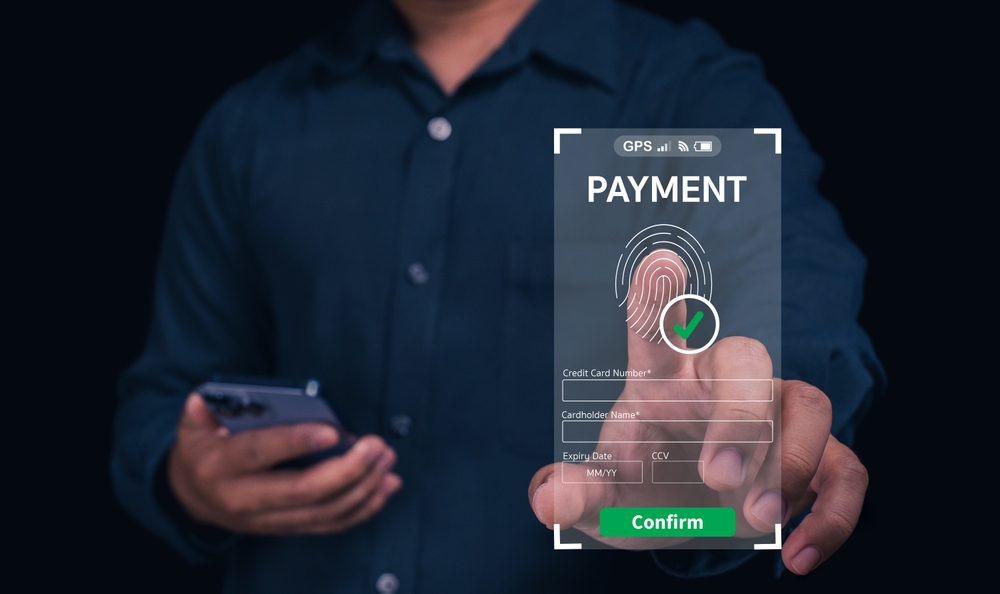
The identity protection landscape is rapidly changing. As cyber threats increase, traditional security measures become overwhelmed.
Passwords and PINs often prove inadequate against sophisticated attacks. This change has led many to explore biometric solutions such as fingerprints and facial recognition technology.
However, these innovations raise significant ethical questions regarding privacy and data security. How can society balance the need for protection with the preservation of individual rights? The answer could redefine identity security.
The growing threat of identity theft
As identity theft becomes increasingly prevalent, understanding the risks involved is important for individuals and organizations alike.
The digital age has expanded the ways in which personal information can be compromised. Cybercriminals use a variety of tactics, including phishing, malware, and social engineering, to exploit vulnerabilities and gain unauthorized access to sensitive data.
This growing threat affects not only individuals but also businesses, who may face financial losses, reputational damage, and legal consequences from data breaches.
Additionally, the rise of interconnected devices, known as the Internet of Things (IoT), creates new points of entry for attackers and complicates traditional security measures.
Victims of identity theft often experience long-term effects, including damage to their reputation and emotional distress, making it important for all parties to prioritize robust safeguards.
Recognizing these evolving risks is essential to fostering a proactive approach to protecting personal and organizational information from identity theft.
Why passwords and PINs aren’t enough
How effective are traditional security measures such as passwords and PINs in today’s digital environment? These methods are increasingly proving inadequate against advanced cyber threats.
Cybercriminals use sophisticated techniques such as phishing, keylogging, and brute force attacks to compromise user accounts.
Reliance on passwords, which are often weak and reused across multiple platforms, compounds the problem. Additionally, the average user struggles to manage complex passwords, leading them to choose predictable passwords that can be easily exploited.
Additionally, the rise of social engineering tactics allows attackers to completely bypass traditional security measures. This vulnerability highlights the critical need for more robust identity protection solutions.
As traditional methods become obsolete, organizations and individuals alike must explore alternative strategies to increase security.
Without adapting to the evolving threat landscape, relying solely on passwords and PINs increases the likelihood of sensitive information being exposed to unauthorized access and identity theft.
Biometrics in the spotlight: fingerprints, facial recognition, and more
What are the alternatives to traditional security measures in the area of identity protection?
Biometric authentication, which is increasingly being adopted in a variety of sectors, offers an attractive solution. Fingerprint recognition, a widely used biometric authentication method, provides users with an easily accessible and unique form of identification.
This technology captures distinct patterns in an individual’s fingerprint, allowing for rapid authentication.
Similarly, facial recognition technology leverages advanced algorithms to analyze facial features and provide a seamless and efficient user experience.
Beyond these methods, iris scanning and voice recognition are emerging as viable alternatives, expanding the biometrics landscape.
These technologies not only enhance security, but also streamline user interactions and reduce reliance on passwords and PINs.
As organizations seek to strengthen their privacy practices, the integration of biometric solutions reflects a shift toward more sophisticated and user-friendly options that address the vulnerabilities inherent in traditional methods and meet the evolving security demands of an increasingly digital world.
Privacy and ethical considerations
While advances in biometric technology improve security, they also raise significant privacy and ethical concerns that must be addressed.
The collection and storage of biometric data such as fingerprints and facial recognition carries risks of unauthorized access and misuse. Individuals may unknowingly hand over their biometric information and may be monitored and tracked without their consent.
Additionally, the potential for biased algorithms in biometric systems may exacerbate existing inequalities, resulting in discriminatory practices against marginalized communities.
Ethical considerations require careful consideration of how biometric data is used and who controls its collection and application.
Balancing security obligations and individual rights requires transparent policies, informed consent, and strong legal frameworks to protect personal information.
As biometric solutions continue to evolve, stakeholders must prioritize ethical considerations to ensure that the pursuit of security does not violate fundamental privacy rights.
Emerging technology: AI and multi-factor authentication in identity protection
As organizations look to strengthen their security posture, emerging technologies such as artificial intelligence (AI) and multi-factor authentication (MFA) are becoming key elements of identity protection strategies.
AI improves security by analyzing vast amounts of data, identifying patterns and anomalies, and detecting potential threats in real-time. This feature allows organizations to quickly respond to unauthorized access attempts.
MFA, on the other hand, provides an additional layer of security by requiring users to verify their identity through multiple methods such as passwords, biometrics, and one-time codes.
This approach significantly reduces the risk of unauthorized access, as compromising one element is often not enough for an intruder.
AI and MFA work together to create a robust defense mechanism to address the evolving cyber threat landscape.
Organizations that integrate these technologies into their identity protection frameworks can better mitigate risk, strengthen user trust, and protect sensitive information from increasingly sophisticated attacks.
The way forward: How biometric innovations will shape the future
Biometric innovation is poised to revolutionize personal information protection in the coming years, especially for organizations where security is increasingly a priority in a digital-first world.
As technology advances, integrating biometric solutions into everyday transactions will become more common, streamlining the user experience while increasing security measures.
In the future, more sophisticated biometric systems that can analyze behavioral patterns will become more resilient to identity theft.
Furthermore, the rise of decentralized identity frameworks could give individuals control over their biometric data, promoting privacy as well as security.
Organizations must navigate ethical considerations and regulatory challenges to implement these technologies responsibly.
By balancing innovative measures with efforts to protect individual rights, society can effectively combat the growing threat of identity theft while embracing the potential of biometrics and emerging technologies in creating a more secure digital environment.
Source link

