
Inside D4RUNOFF’s AI Risk Map for Urban Runoff Management
The D4RUNOFF project transforms complex urban runoff data into clear climate-informed risk maps, enabling cities to identify pollution hotspots and confidently plan practical nature-based solutions (NBS).
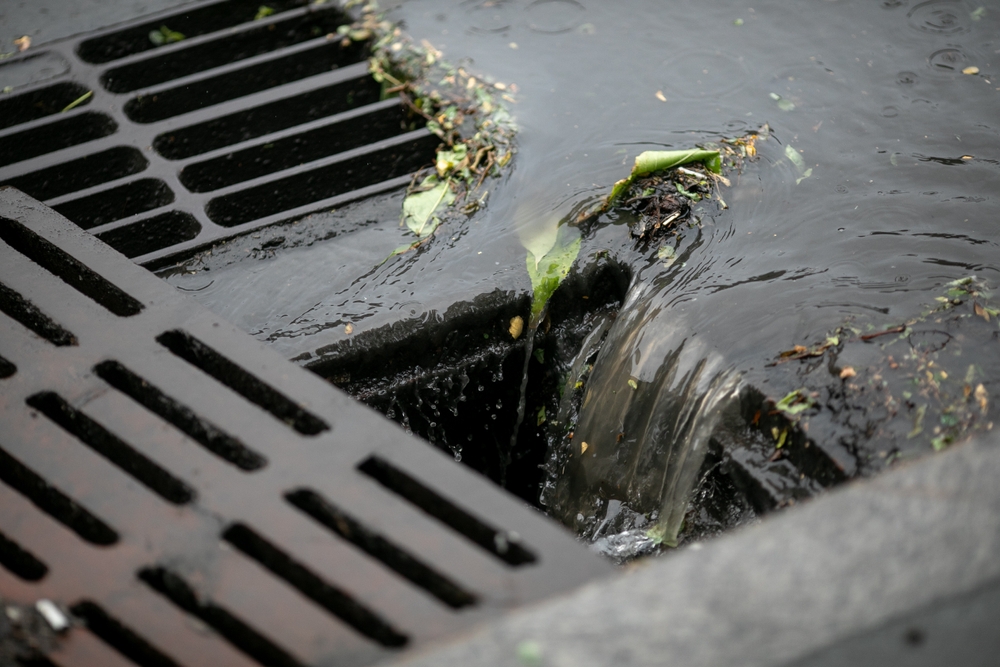
Urban runoff is an invisible, everyday problem and one of the most overlooked environmental risks facing cities today. When it rains, water flows over roads, rooftops, and paved surfaces, collecting pollutants such as heavy metals from building materials, tire residue, hydrocarbons, and other pollutants. This contaminated runoff is often transported untreated to streams, wetlands, and coastal waters.
One of D4RUNOFF’s goals is to address this problem with a practical, city-friendly solution that transforms complex environmental data into clear and actionable risk maps. These maps show where pollution is most likely to occur under current and future rainfall scenarios, allowing local governments to prioritize action where it matters most.
At the heart of this innovation is Mitiga Solutions, a Barcelona-based climate risk intelligence SME and member of the D4RUNOFF consortium. Mitiga Solutions designed a risk mapping methodology for the project that transforms raw environmental data into an intuitive decision-making tool for city teams.
What kind of problems does urban runoff cause for cities?
Urban runoff pollution is difficult to manage because it is diffuse (no single source), event-driven (triggered by rainfall), and variable (changes with season, land use, and traffic).
Many municipalities lack the tools to connect rainfall data, land use, and pollutant thresholds into an integrated risk picture. Without this integration, teams often rely on reactive maintenance rather than strategic prevention.
D4RUNOFF changes that dynamic by combining monitoring data, modeling output, and visual tools into one AI-assisted digital platform.
What is the D4RUNOFF building?
D4RUNOFF has developed an AI-assisted digital platform that hosts:
Pollutant-specific risk maps NBS planning tools Monitoring data integration Climate-adjusted rainfall forecasting Scenario comparison capabilities
These tools are currently being applied in three pilot cities: Odense (Denmark), Santander (Spain) and Pontedera (Italy). Sign up to try our AI-assisted platform!
The platform enables utilities, planners, and policy makers to:
Identify pollution hotspots Visually compare neighborhoods Investigate potential green infrastructure interventions Assess how risk will change with future rainfall patterns
Risk maps sit alongside NBS options such as rain gardens, green roofs, permeable pavement, and wetlands, allowing cities to link diagnosis and action in the same environment.
How does the mitiga solution transform raw data into clear risk maps?
Mitiga Solutions designed D4RUNOFF, the first complete runoff pollution risk mapping methodology.
This process integrates open urban datasets (surface types, drainage systems, land use maps), rainfall records and climate projections, field monitoring data, environmental safety thresholds, and hydrological and pollutant transport modeling.
The result is a spatial risk index that shows where pollutant concentrations are likely to exceed safe levels, how often exceedances are expected, and how the risk changes depending on future rainfall intensity.
These maps can be viewed by individual pollutants (heavy metals, tire-based substances, etc.) or as risk layers that combine multiple pollutants.
Instead of complex technical charts, the output is visual and intuitive, using color gradients and probability signals to facilitate comparisons between districts.
Moving from raw data to visual risk intelligence enables day-to-day operations.
How was the model validated in the real world?
Models are only valuable if they reflect reality. To validate the risk map, D4RUNOFF partners VCS and the University of Copenhagen conducted a large-scale citizen science campaign in Odense during spring and summer 2025.
Volunteers collected more than 300 runoff samples from various rainfall events and urban areas.
The results of this study support the following key observations:
Pollutant concentrations were generally higher in city centers Tire-related substances showed a strong association with road traffic volume
These real-world measurements are used to calibrate and tune the model, ensuring that the risk map accurately responds to rainfall dynamics and urban surface conditions.
This “ground truth” integration increases confidence in the platform’s output.
What does a risk map actually tell city teams?
Where should I look first?
Identification of hotspots allows workers to prioritize drain inspections, critical node maintenance, small-scale pilot interventions, and targeted monitoring campaigns to act strategically against urban runoff pollution.
How often can contamination occur?
The map not only shows the presence or absence of risk, but also the probability and recurrence frequency using an intuitive color scale. This allows planners to answer questions such as:
Will this be published once a year or multiple times per season? Which regions face the highest risk of recurrence? How will the frequency change as more intense rainfall events occur?
This probabilistic approach supports both operational and long-term infrastructure decisions.
What kind of NBS can work here?
The risk layer is integrated with D4RUNOFF’s AI-assisted platform’s NBS planning tool, allowing users to explore rain gardens, constructed wetlands, green corridors, and permeable pavements.
Cities can compare how these interventions reduce pollutant transport over time and assess their potential effectiveness before investing.
This integration reduces the gap between risk assessment and intervention planning.
What’s next for D4RUNOFF?
Mitiga Solutions is currently completing version 2.0 of the risk map, with improvements including increased validation and expanded contaminant categories (where reliable datasets exist).
The goal remains simple. The goal is to create easy-to-use, reliable, climate-informed maps that support everyday municipal decisions, such as maintenance schedules and street redesign plans.
Please note: This is a commercial profile
Source link

