
Co-creating nature-based solutions for Mediterranean climate adaptation
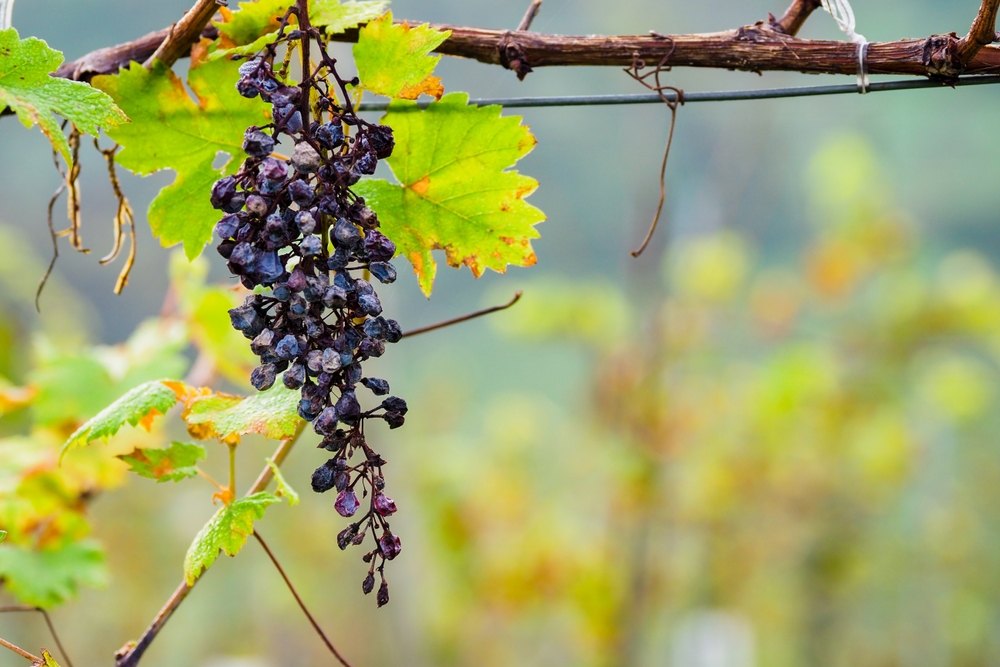
DRYAD fosters a collaborative framework that supports the design and selection of nature-based solutions to climate challenges in the Mediterranean region
The Mediterranean region, formed over centuries by a mix of agricultural, pastoral and forest landscapes, known as agro-silbo-pastoral systems, is currently facing increasing pressures from climate change. Rising temperatures, prolonged droughts and increasingly erratic rainfall patterns are putting ecosystems and rural livelihoods at risk.
Water scarcity, soil degradation and reduced ecosystem resilience are broader challenges. In this context, there is a growing need for approaches that can simultaneously support environmental sustainability and socio-economic stability in rural areas.
Nature-based solutions as a strategic response
To meet these challenges, the Horizon EU DRYAD project promotes nature-based solutions (NbS) that strengthen the resilience of these landscapes while supporting local communities and economies.
NbS is increasingly recognized as an important approach to climate adaptation. The Mediterranean agro-silvo-pastoral ecosystem (MAE) retains water in the soil, improves groundwater recharge and helps reduce the effects of drought and extreme rainfall events. At the same time, it contributes to soil restoration, biodiversity conservation and climate mitigation.
Beyond environmental benefits, NbS also has important socio-economic implications. These can increase agricultural productivity, create green jobs and strengthen the resilience of rural areas, which are often the most vulnerable to the impacts of climate change.
At the start of the project, DRYAD identified an initial set of 40 NbS to be investigated and evaluated across the regions of Spain, Italy, France, Portugal and Greece. These solutions were identified with the aim of being analyzed throughout the project in relation to the specific environmental conditions, socio-economic characteristics and stakeholder needs of each region. This process is intended to provide a strong foundation for subsequent selection, implementation, and demonstration.
A structured framework for action: Selecting key NbS for MAE
After this initial screening, DRYAD produced the report “Selecting Nature-Based Solutions for MAE” which provides a clear and practical framework for selecting the best solutions for these systems.
This report aims to go beyond conceptual discussions by providing a practical and consistent framework for identifying and selecting the best solutions for these systems. This allows different NbS to be compared, evaluated and adapted to specific local conditions, facilitating their implementation and demonstration in different Mediterranean regions.
A total of 13 NbS were identified, classified into three main categories, and described in a consistent manner. This approach helps you compare options and supports decision making.
Water-related NbS: Water storage and management methods (e.g., drains, temporary ponds, small agricultural ponds, and measures to keep water clean). Soil-related NbS: Land and agricultural improvements (e.g., adaptive/rotational grazing, soil improvement with biochar, planting diverse pastures, reducing wildfire risk). Biodiversity-related NbS: Activities that support plants and wildlife (e.g. planting trees, creating small habitat areas, protecting trees, detecting early signs of tree decline).
Co-creation as a basic principle
NbS approaches are not effective without the active involvement of stakeholders throughout the decision-making process. Farmers, land managers, researchers, and local governments all play a direct role in identifying, discussing, and prioritizing the best NbS for their local context, making co-creation an essential principle of DRYAD.

This co-creation process goes beyond mere consultation. This is a collaborative model in which academic and non-academic stakeholders work together to define the problem, shape the research design, contribute to the interpretation of the data, and help translate the results into real action. In this way, knowledge is not only created for end users, but also develops with them. This process integrates scientific evidence and local experience to ensure that the selected NbS is based on real-world conditions. This makes them better adapted to local landscapes, more relevant to society, and more likely to be adopted and maintained over time.
Deploying nature-based solutions
After a co-creation process, 11 of the 13 initially proposed NbS were selected for implementation and demonstration in the DRYAD demonstration region. This choice reflects technical feasibility and local relevance and ensures that the intervention can be effectively tested and applied in real-world settings.
The set of NbS implemented for demonstration in the DRYAD region marks the transition of the project from design to implementation. These NbSs can be explored in detail on the DRYAD website, where users can find information such as the main characteristics of each NbS, the implementation site, and the co-creation process involved in its development. Take a closer look here: DRYAD | NbS.

NbS is not a standalone action, but part of a broader strategy. By combining nature, innovation and local knowledge, DRYAD is helping build more resilient Mediterranean landscapes that can sustain both people and nature in the face of climate change.
dryad
DRYAD projects, funded by the Horizon Europe program, combine innovative solutions with cutting-edge scientific, technological, social and business innovations. It focuses on the development, testing and demonstration of NbS in five demonstration regions (five of the Cohesion Fund regions), including Andalusia and Extremadura (ES), Alentejo (PT), Sardinia (IT) and Aetroa Carnania (EL). The most promising NbS is replicated in three replication regions: Castilla y León (Spain), Occitanie (France), and Tuscany (Italy).
The consortium includes 27 partner organizations from six countries. Six universities (UDC, UT, UCO, UNIS, UEx, AUA), one national laboratory (LNEG), six non-governmental organizations (FEUGA, Fondazione CMCC, Alberitaria, FPNCyL, FSC Italia, FEDEHESA), three research institutes (IST-ID, IFAPA, ISA), one research center (CNR), three private organizations (ICATALIST, AGROOF, Companhia das LEZIRIAS), four public institutions (CCDRA, DX, AG-FORESTAS, CAPADR) and three agricultural associations (UNAC, CONFRAGRICOLTURA, COVAP).
Disclaimer
The DRYAD project has received funding from the European Union’s Horizon Europe research and innovation program under grant agreement No GA 101156076.
Funded by the European Union. However, the views and opinions expressed are those of the authors alone and do not necessarily reflect the views and opinions of the European Union.
Please note: This is a commercial profile
This article will also be published in the quarterly magazine issue 26.
Source link

