
Why VidCon still matters in 2026
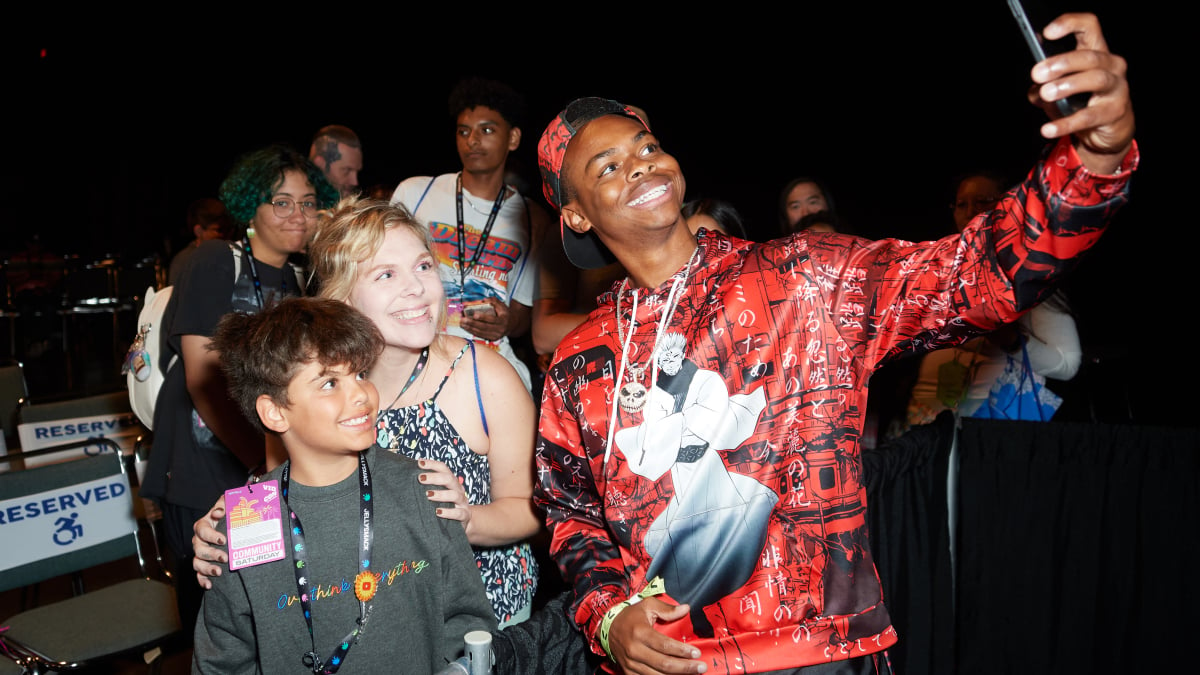
When VidCon launched in 2010, being a full-time creator was still considered a rarity. The first edition brought together early stars of the internet, including founders Hank and John Green of Vlog Brothers fame, along with creators like Philip DeFranco, Justin, Rhett McLaughlin, Link Neal, and Ryan Higa. At the time, many participants were simply excited to meet people they had only seen on computer screens.
Fifteen years later, creators are hosting sold-out headline tours, launching consumer brands, running production companies, and influencing everything from entertainment to politics. What started as a gathering of YouTubers and fans has evolved into an annual gathering place for an industry worth hundreds of billions of dollars.
An obvious question arises here. Why is VidCon still important?
After all, creators can live stream from anywhere, and fans can interact with their favorite personalities in real time. The community exists year-round in our Discord servers, group chats, and comment sections. Some creators have found success hosting their own fan meetups and live events. By all accounts, the creator economy has developed many ways to bring people together without having a convention center in Anaheim.
Still, VidCon remains one of the most important gatherings in creator culture. why? Well, let’s talk about it.
The Internet is more fragmented than ever
One of the biggest misconceptions about the modern Internet is that it is becoming more connected.
In fact, online culture is becoming increasingly fragmented. Our audience spans TikTok, YouTube, Twitch, Instagram, podcasts, newsletters, Discord servers, and countless niche communities. While creators are often active on multiple platforms at the same time, fans may spend most of their time in completely different parts of the internet.
YouTube turns 20: One video at the zoo changed the internet forever
That’s not necessarily a bad thing. Despite the visibility of internet megastars, only 3% of U.S. adults primarily follow creators with more than 1 million followers, according to a recent Mashable survey. Instead, many people gravitate toward smaller creators and niche communities. 19 percent say they prefer creators with fewer than 50,000 followers, and 37 percent enjoy a mix of both large and small creators. Almost half (48%) of respondents said they are looking for creators who can provide a deep dive into a particular hobby or interest.
In other words, today’s internet is no longer dominated by a handful of creators who get everyone’s attention. It is increasingly defined by countless small communities built around common interests.
VidCon continues to be one of the few places where these worlds intersect.
For a few days each year, game creators, lifestyle influencers, podcasters, educators, startup founders, platform executives, and fans all occupy the same physical space. This treaty serves as a rare gathering place for ecosystems that exist in separate silos.
Mashable Trend Report
Digital community still wants physical space
Much of modern fandom occurs online. Friendships are formed in the comments section and replies. Communities are organized on Instagram. Livestream chat creates a sense of connection between creators and viewers that wasn’t possible a generation ago.
But digital connectivity won’t completely replace in-person experiences. In fact, there are signs that younger viewers are actively seeking them out. A 2025 Eventbrite survey of more than 4,000 adults in the US and UK found an increased interest in real-world experiences and opportunities for genuine connection, reflecting how much of our social lives now take place online.
For many attendees, VidCon provides an opportunity to meet internet friends in person for the first time, discover new creators, and spend a weekend surrounded by people with similar interests. We transform a community that primarily exists through screens into something tangible.
The success of events like VidCon suggests something counterintuitive about Internet culture. In other words, the more time people spend online, the more valuable in-person experiences can become. The internet may be a place where communities are formed, but people still want a place to gather.
At the same time, VidCon is no longer the event it was in 2010. Some of the nostalgia-based criticism of the convention stems from the simple reality that many of its early participants have drifted away from its core audience. Young people discovering creators today are participating in a different internet, shaped by different platforms, personalities, and communities. And for them, becoming a creator is no longer a pipe dream. It’s a legitimate career path. As more money, brands, talent agencies, and startups pour into the space, VidCon has evolved with them.
That’s why the event is starting to feel like both a fan convention and an industry conference. It reflects the reality of creator culture itself.
Creator has become a business
The conversations happening at VidCon now are very different from the conversations that dominated the convention’s early years.
A decade ago, panel discussions often focused on subscriber growth. These topics still exist, but now include discussions about audience ownership, membership, monetization strategies, creator infrastructure, AI, and long-term business growth. Many creators no longer operate as individuals with a camera and an internet connection. They’re running a business.
The rise of creator-led brands, subscription communities, and direct-to-fan revenue models has fundamentally changed what it means to be a creator. VidCon is increasingly serving not just as a fan convention, but also an industry gathering where creators learn how to build sustainable careers.
VidCon acts as a trend report
Part of VidCon’s continued relevance is its role as a predictive tool. The conversations that take place on stage often provide hints about where the creator economy is headed next. The platforms vying for creators’ attention at VidCon signal a broader shift in digital culture.
This year, expect discussions around AI tools, audience ownership, creator infrastructure, and the growing importance of superfans and community building. Taken together, these trends indicate that the industry is increasingly focused on sustainability rather than scale.
In many ways, VidCon serves as an annual snapshot of the internet’s priorities. Platforms are subject to change. New apps are also coming. Algorithms will continue to evolve. Popular buzzwords in the creator economy will inevitably change.
But 15 years after its debut, VidCon still serves a surprisingly simple purpose. We provide a place for creators, fans, and industry leaders to come together in person to understand the rapidly changing internet. No matter how online culture evolves, that need hasn’t gone away.
Mashable will be at VidCon 2026, June 25-27, highlighting the creators, trends, and conversations driving internet culture, from breaking news and creator interviews to industry insights and updates.
Source link

