
Girl With Sunflower Syndrome Had 500 Seizures A Day Until She Tried Blue Contact Lenses
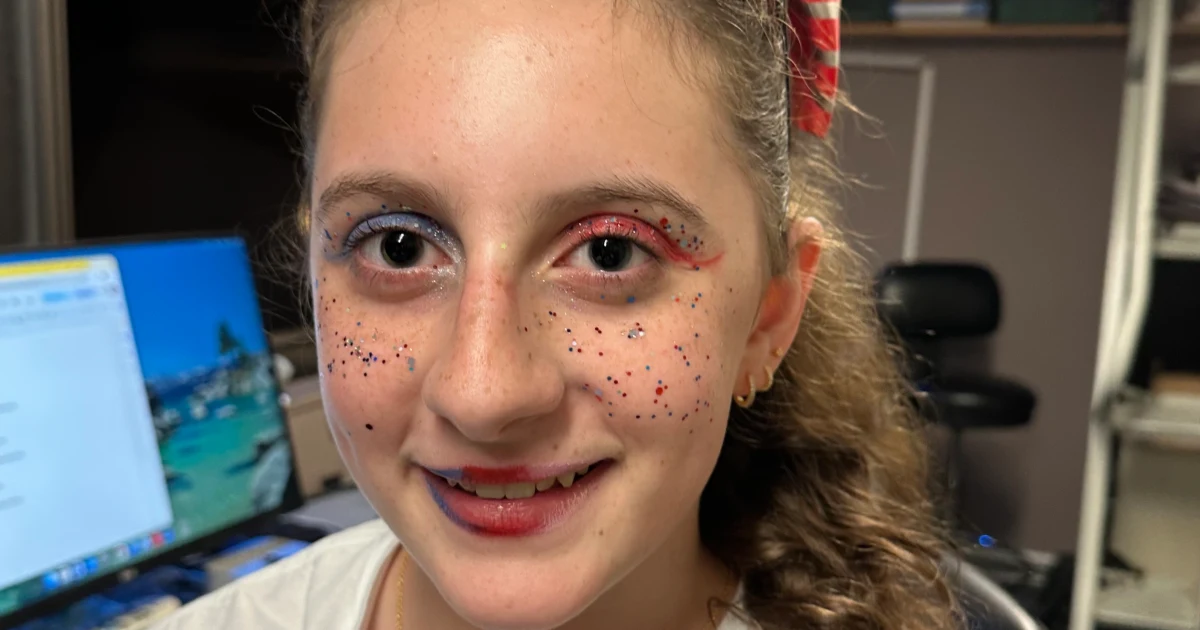
Brandy Nickerson still remembers the day her daughter, Harper, suddenly started waving her right hand in front of her face at a playground.
The family thought she was swiping at a bug, but from then on, Harper, 5 years old at the time, began to regularly repeat the movement as she turned towards the sun.
“It just kept going on and going on,” Nickerson, 45, who lives in Hingham, Massachusetts, tells TODAY.com.
“Then we thought maybe it was she was just trying to brush her hair out of her face, so we gave her bangs.”
The haircut didn’t help. Eventually, Harper was waving her hand up to 500 times a day, to the point where she rubbed her right eyebrow completely off, Nickerson recalls.
The family took her to a pediatrician, who didn’t think there was anything wrong. A neurologist diagnosed Harper with a complex motor tic, but Nickerson was skeptical. Psychiatrists said she was well-adjusted and healthy.
Finally, another girl at school saw Harper waving her hand and told the school nurse, “I think she has what I have.”
In December of first grade, Harper was officially diagnosed with sunflower syndrome, a rare and misunderstood epilepsy.
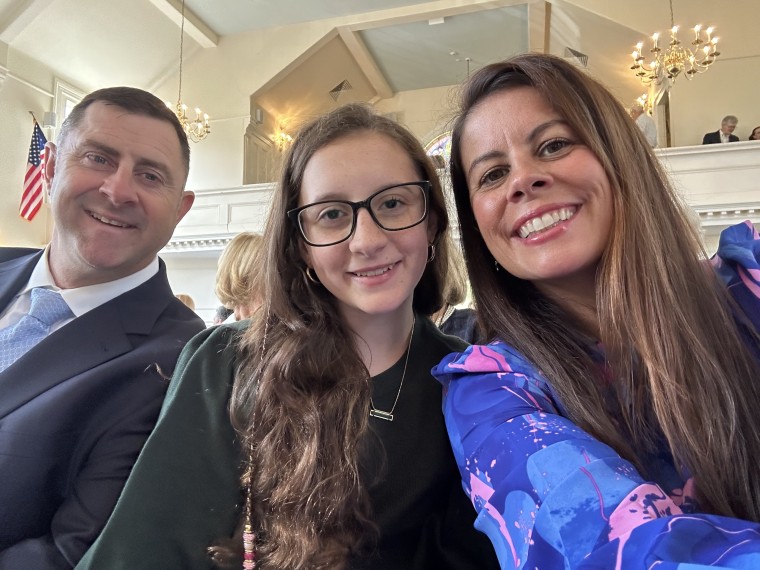
Dr. Elizabeth Thiele, who has been taking care of kids with epilepsy for 30 years, had never heard of it until 10 years ago.
The unexpected treatment: specially designed blue-tinted contact lenses.
“I am wicked excited about it,” Thiele, director of the pediatric epilepsy program at Mass General Brigham for Children in Boston and Harper’s doctor, tells TODAY.com.
“If someone would have told me 10 years ago, ‘Elizabeth, you’re going to be using colored contacts to treat epilepsy,’ I would have thought they were crazy, and yet that’s what we’re doing.”
What Is Sunflower Syndrome?
Just like sunflowers turn toward the sun, children with this rare form of photosensitive epilepsy are drawn towards a bright light while waving one hand in front of their eyes at the same time.
This is a seizure, Thiele says. The hand waving is involuntary and part of the episode, she adds.
“Some kids only wave on the outside in the sun. Some wave indoors,” Thiele notes.
“This is an obsessive behavior. They can’t not go to the sun. If there’s a window in the house that has the brightest light coming in, the kids will be drawn to it.”
Researchers estimate there are about 1,300 cases of diagnosed sunflower syndrome worldwide. Thiele suspects there are many more patients who are undiagnosed.
The condition affects girls more than boys and usually starts before age 10. The cause is a mystery.
Harper, who is now 14, says she just felt like she needed to turn toward the sun and wasn’t aware she was waving her hand during the seizure.
“I just felt like my brain turned off. It was just blank for a second,” she tells TODAY.com.
“If I had a really long one, then I would feel like the aftershock. … I would basically be like, whoa, what had just happened? I would forget what I was doing.”

It was disorienting if she did it a lot, and her mom was worried she would fall down the stairs.
It’s a big safety issue, with some children walking into the street while hand waving, Thiele notes. Sunflower syndrome often doesn’t respond to anti-seizure medications, so some families have moved to the Pacific Northwest “to get away from the sun” and protect their kids that way, she notes. One family built a subterranean home that doesn’t have windows.
Many of the young patients are also made fun of or bullied at school when they suddenly pause what they’re doing and start waving their hand.
Treatment With Blue Contact Lenses
Hats and sunglasses can help, but some children are so drawn to light that they won’t keep them on. Others don’t want to wear them because they look different.
Enter a surprising solution: special blue-colored contact lenses that block certain light wavelengths. They can reduce daily handwaving episodes by about 73%, a 2026 study found.
They’re “wicked effective,” Thiele says.
Harper began wearing the contacts when she was 9, noting that they make everything she sees seem a bit darker, like wearing sunglasses indoors. She can’t tell the difference between blue and purple, for example. The teen, who is active in theater, can’t see during a blackout between dances or scenes and has to be guided onto the stage.
The contact lenses also make her pupils look very dilated.
“Sometimes people are like, ‘Oh my God, your pupils are huge. What the heck?’ And I’m like, no, they’re contacts,” she says.
“(But) they made a big difference in my life. It was like crazy. I remember going outside when I was first wearing them, and I was like, whoa, I haven’t had a mini seizure in like a long time, and I really liked it. It was good.”
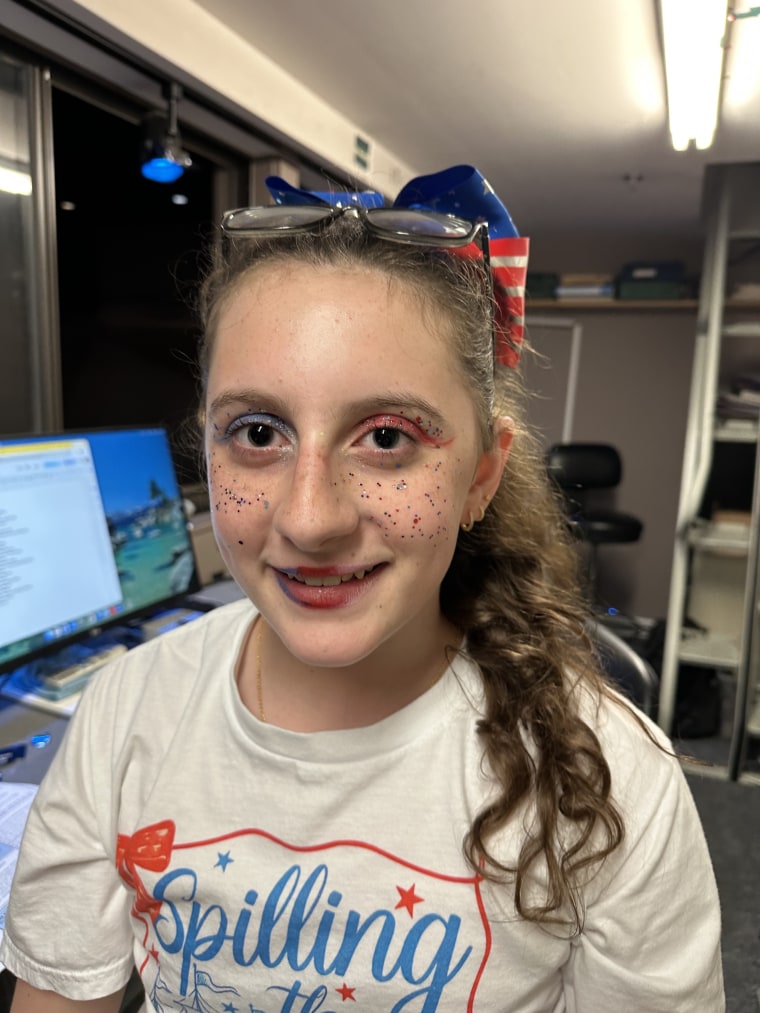
Harper hasn’t waved her hands in about two years, her mom says. She feels “100%” better about her safety.
“There’s definitely a huge difference,” Nickerson notes.
The downside is the contact lenses cost $1,400 a year and aren’t covered by insurance. Half the kids in the study found the contacts difficult to tolerate, but Harper says she’s gotten used to them and can’t feel them in her eyes at all. She still takes anti-seizure drugs.
Doctors don’t know yet if this is an epilepsy children can outgrow as they get older so any tapering of medication must be done very carefully, Thiele notes.
The doctor calls the contact lenses “life transforming” for patients.
“They definitely are making a real difference for many kids. I was blown away,” she says.
Source link

