
Dietitian Shares No. 1 Plant-Based Protein to Support Bone Health
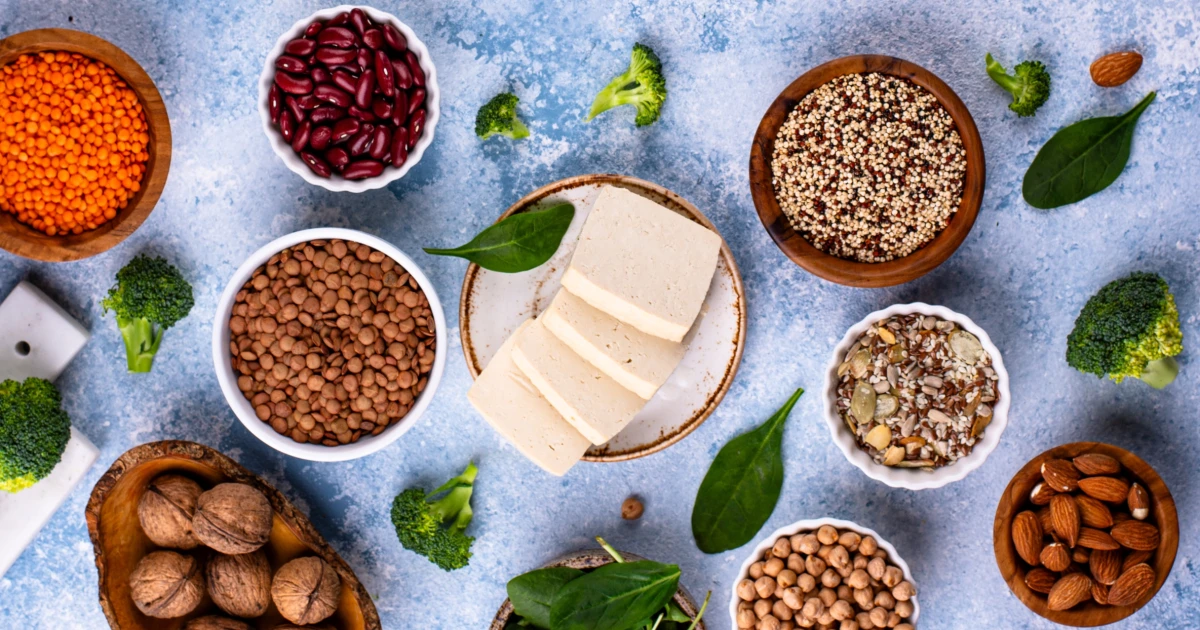
If you’re eating for healthy bones, your mind might jump to dairy, like calcium or yogurt. But there are healthy plant-based protein sources that can help support your bones, too.
When you’re prioritizing bone health, the main nutrients you want to look for are calcium and vitamin D, says Natalie Rizzo, registered dietitian and TODAY nutrition editor.
Experts also now know that vitamin K plays a crucial role in bone health, she adds, and protein — from any source — is also necessary to support your skeleton.
You need vitamin D to help your body use calcium, as TODAY.com explained previously, and it’s vitamin K that helps actually get the calcium into your bones. While you’re not likely to find vitamin D in plant protein sources, you can certainly find calcium and other important minerals that work alongside vitamin D to increase bone density, Rizzo says.
And plant-based proteins are typically packed with other healthy nutrients, like fiber, to keep your whole body feeling good as you boost bone health, too.
The Best Plant-Based Protein for Bone Health
Tofu
Made from coagulated soy milk, tofu is Rizzo’s top plant-based protein choice for bone health.
“Tofu is probably the most beneficial for bone health in terms of plant-based proteins because it’s actually made with calcium,” she explains. “The way that a block of tofu is coagulated is with calcium sulfate.”
In particular, look for firm or extra-firm tofu because those are toughened and curdled with that calcium sulfate compound, dietitians explained previously. Just a half-cup serving of firm tofu provides about 25% of your daily calcium (253 milligrams), along with 22 grams of protein.
If you’re new to cooking with this versatile plant protein, try one of Rizzo’s favorite snacks: Her air fryer crispy tofu calls for protein-packed extra-firm tofu.
Other Plant Proteins to Support Bone Health
Chia Seeds
Chia seeds featured on Rizzo’s lists of the seeds with the most protein, fiber and heart-healthy omega-3s.
Just one serving of chia seeds (1 ounce, or about 2 tablespoons) will net you 5-6 grams of protein and 10 grams of fiber. And chia seeds are going to give you a boost of calcium, too: about 18% of your daily value per serving.
It’s not easy to eat a full serving of these tiny seeds, but they take on a gel texture when they absorb water or other liquid. That means chia seed pudding is the perfect make-ahead meal to take advantage of all the nutrients these seeds have to offer.
Rizzo’s overnight chia pudding recipe calls for a drizzle of maple syrup and blueberries (or the fresh fruit of your choice) on top.
White Beans
Beans are a rich source of both plant-based protein and fiber. And white beans, particularly navy beans, can also give you a boost of calcium to support bone health, Rizzo says.
In a cup of navy beans, you’ll get about 15 grams of protein along with a whopping 19 grams of fiber and around 10% of your daily calcium needs.
Navy beans are among the smallest of white beans with a mild flavor. They’re a delicious addition to bean salads, soups and stews.
Almonds
One of the highest-protein nuts, almonds are full of crunch, flavor and nutrients. A 1-ounce serving (roughly a handful) will net you 6 grams of protein and 4 grams of fiber.
Almonds are also a good source of several other nutrients to support bone health, providing 20% of your daily magnesium and around 8% of your daily calcium requirements. Plus, almonds are rich in vitamin E, which has antioxidant properties and supports skin health.
Have almonds alone as a small midday snack, or enjoy them sliced over your morning Greek yogurt for a breakfast rich in vitamin D, calcium and magnesium.
Source link

