

Funding the next step in hydrogen innovation

NACHIP launches a cascading funding call to enable small and medium-sized businesses to test, validate and deploy hydrogen solutions in real-world pilot environments. The Northern Adriatic Clean Hydrogen Investment Platform (NACHIP) launches a public call to provide targeted financial support to small and medium-sized enterprises (SMEs) developing advanced hydrogen technologies. The call, implemented under the […]
Breakthrough in algae-based nanotechnology to combat PFOA pollution
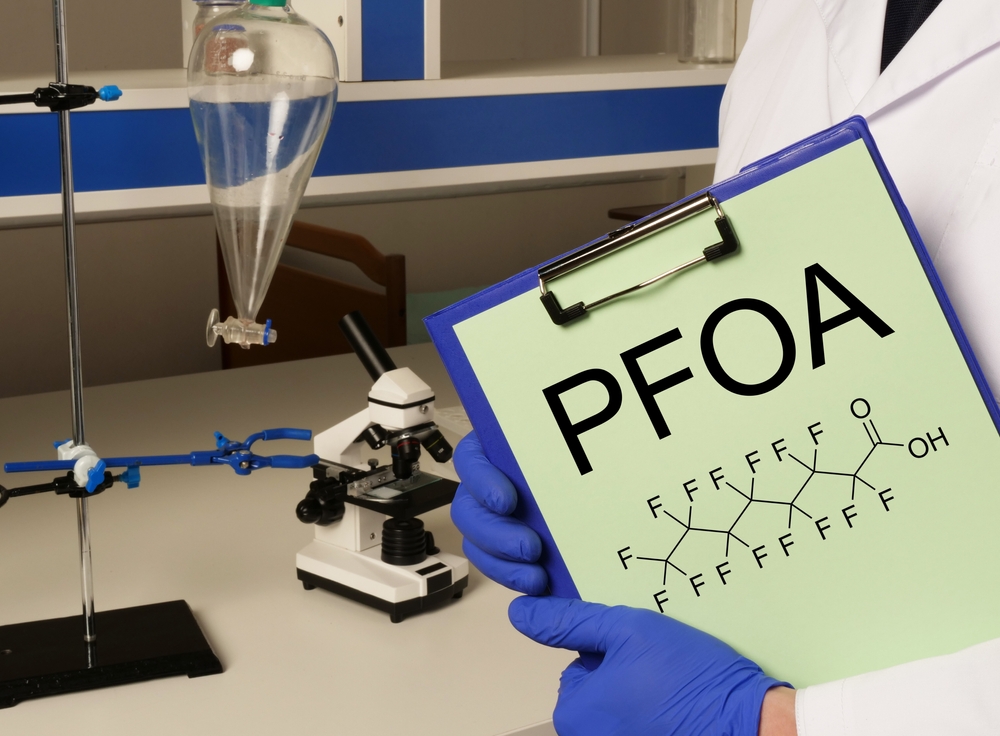
PFOA contamination has become one of the world’s most pressing and intractable water safety challenges, with the toxic “forever chemical” now being detected in drinking water supplies, groundwater, and ecosystems far from its source. Now, researchers at Shenyang Agricultural University have unveiled a promising new weapon in the fight against PFOA pollution, harnessing an unexpected […]
Where energy challenges meet AI solutions

We advance artificial intelligence (AI) solutions in the energy sector through our test and laboratory facilities across Europe. As the energy landscape has changed significantly in recent years, the evolving energy sector is increasingly seeking AI solutions. Rapid advances in digitalization and AI are accelerating this change, requiring stakeholders to strengthen their capabilities and embed […]
BIOSAFIRE advances naturally derived flame retardants using lignins and tannins

BIOSAFIRE uses lignin and tannins to improve fire resistance, following a Safe and Sustainable by Design (SSbD) approach. BIOSAFIRE takes inspiration from nature and fortifies natural flame-retardant compounds, lignin and tannin, making it suitable for industrial applications. The project will build on the existing pilot plant and expand production to a broader range of bio-based […]
European Commission launches €605 million Africa Initiative IV
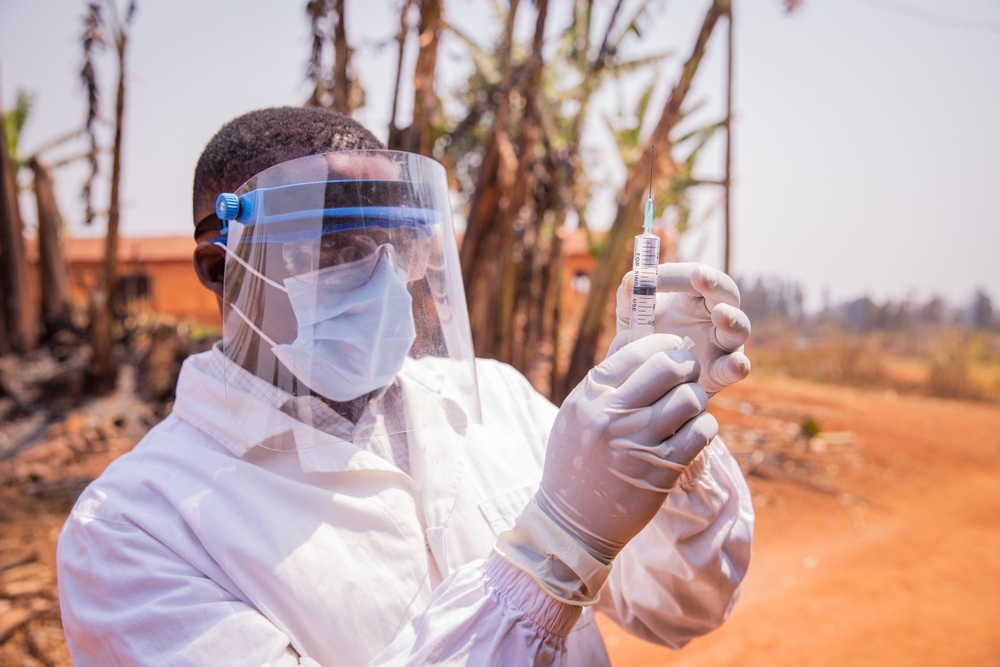
The European Commission has officially launched Africa Initiative IV, marking a major new stage in EU-Africa cooperation on research and innovation under the Horizon Europe work program 2026-2027. With a total budget of approximately €605.45 million, this initiative demonstrates a strong political and financial commitment to advance common scientific priorities and foster long-term partnerships between […]
LanzaTech aims for Humberside as sustainable aviation fuel facility
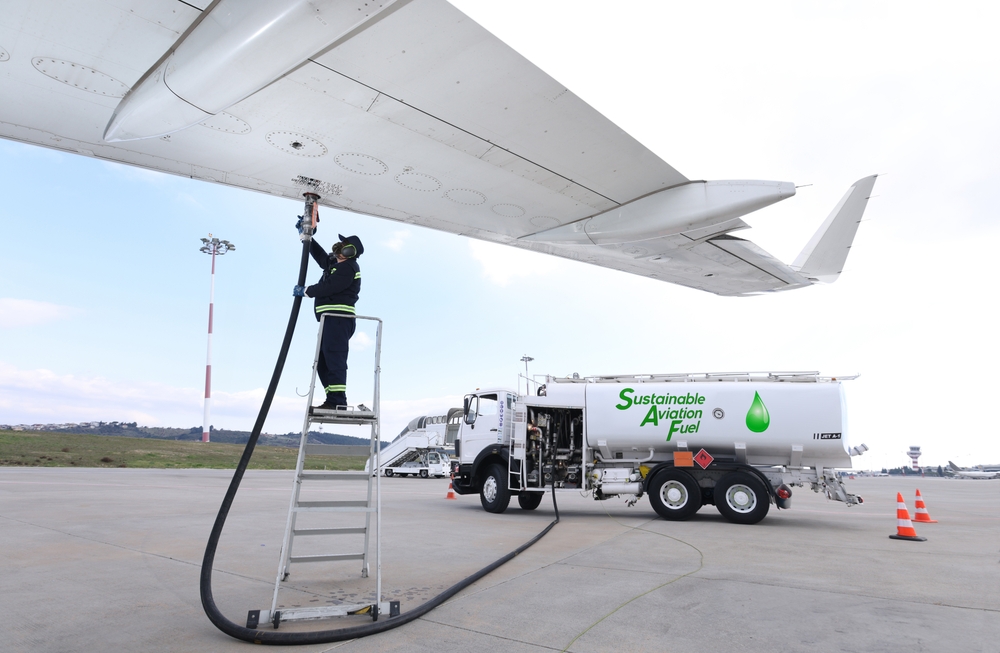
LanzaTech has revealed plans to develop a large-scale sustainable aviation fuel (SAF) production facility at Saltendo Chemicals Park in Humberside, marking a major step forward for the UK’s low carbon aviation ambitions. The project, known as DRAGON II, represents an investment of around £600m and aims to support the decarbonisation of air travel while strengthening […]
EU’s Destination Earth project enters phase 3

The European Union’s Destination Earth initiative is set to move into its third implementation phase following a new agreement between the European Commission and the European Center for Medium-Range Weather Forecasts (ECMWF). Phase 3, which begins in June 2026 and continues until June 2028, is a key step in advancing one of the world’s most […]
EU releases new cancer prevention guidelines on World Cancer Day

Today, on World Cancer Day, the European Commission published the latest European Cancer Control Code, sending a clear message across the EU that many cancers are preventable and that we need to start acting now. The revised code has been four years in the making, bringing together the expertise of more than 60 leading public […]
Atmospheric reentry data to reduce space debris risk
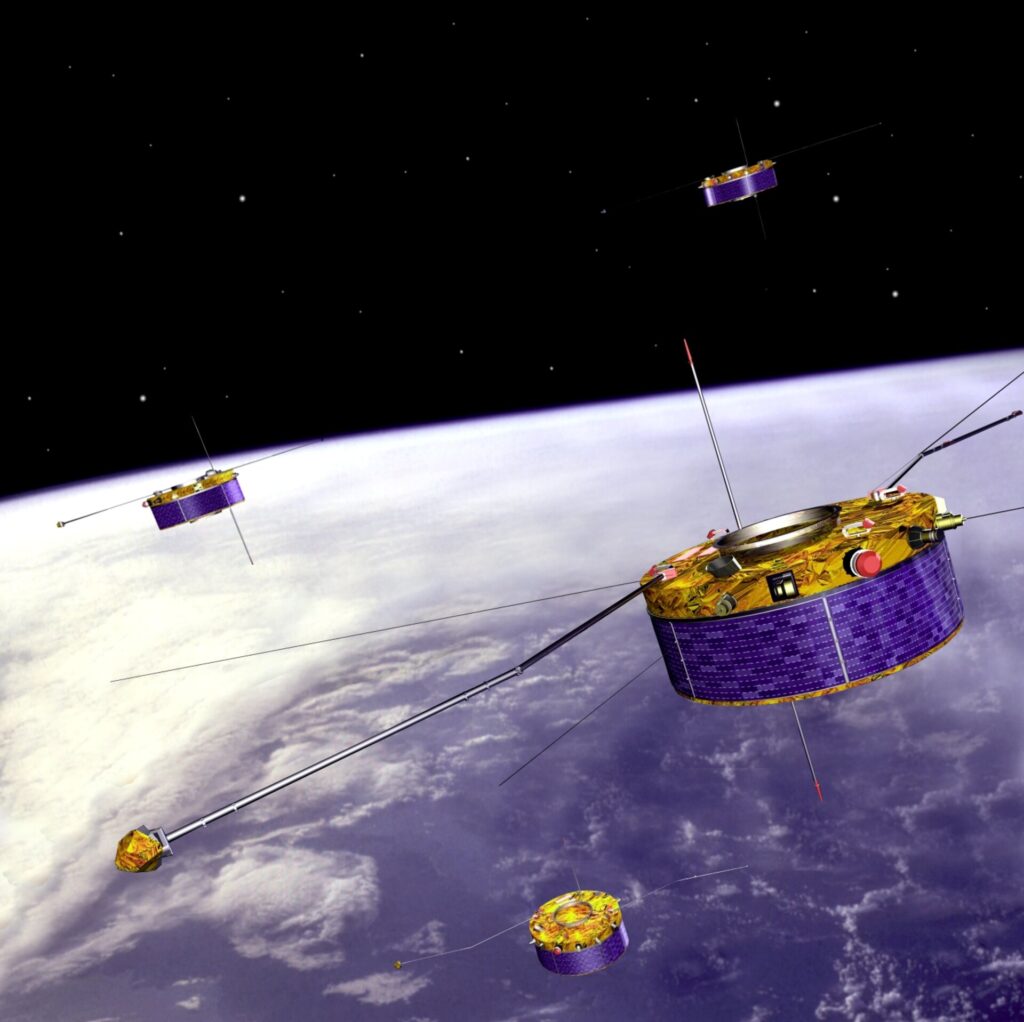
Scientific data on the atmospheric entry process of satellites is urgently needed to ensure a rapid, safe and sustainable disappearance of satellites at the end of their mission and to reduce risks on the ground and in space. The European Space Agency (ESA) has now successfully piloted the remaining two cluster satellites, ensuring they will […]
UK government announces first-ever PFAS scheme

The UK government has launched its first comprehensive PFAS plan, setting out a national strategy to better protect public health and the environment from so-called ‘forever chemicals’. This plan represents an important step toward addressing the long-term risks posed by per- and polyfluoroalkyl substances (PFAS), which are highly persistent and can remain in the environment […]