
Close Menu
  • Start
  • Celebrities
  • Music
  • Influencers
  • Tendencies
  • Exclusives
  • Business & Brands
  • TwinH
  • Spanish
What's Hot

BTS’s “Come Over” was chosen as this week’s best new song

Laverne Cox brings back Mugler’s 2001 spider dress at Seattle Pride Gala

Far from the pitch, David Beckham remains soccer’s biggest star

Facebook X (Twitter) Instagram
  • Home
  • About The FYMOUS
  • Advertising / Promotion
  • Contact
  • DMCA
  • Privacy Policy
  • Terms
  • Publish News
Facebook X (Twitter) Instagram
FYMOUS News
  • Start
  • Celebrities
  • Music
  • Influencers
  • Tendencies
  • Exclusives
  • Business & Brands
  • TwinH
  • Spanish
FYMOUS News
Home » Scientists discover a long, huge river that flowed across Antarctica up to 80 million years ago
Tendencies

Scientists discover a long, huge river that flowed across Antarctica up to 80 million years ago

By July 16, 2025No Comments3 Mins Read
Share Facebook Twitter Pinterest Telegram LinkedIn Tumblr Email Copy Link
Follow Us
Google News Flipboard
Share
Facebook Twitter LinkedIn Pinterest Email Copy Link

Scientists have discovered a long-lost landscape that has been preserved for 30 million years under an Antarctic ice sheet.

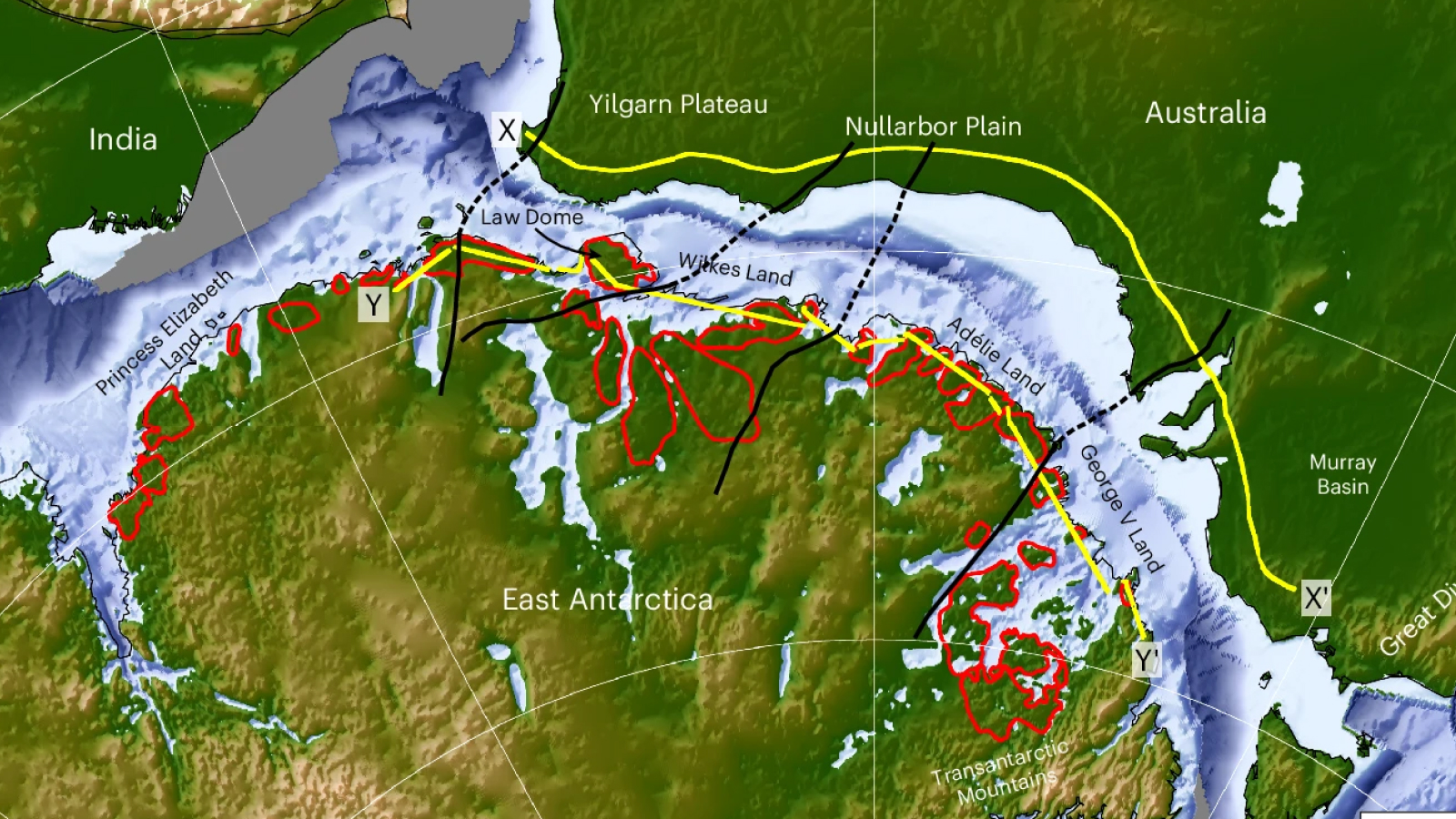
The erosion by ancient rivers appears to have been carved large flat surfaces under the ice in the East Antarctica 80-34 million years ago. Understanding how these features are formed and how they continue to affect the landscape could help improve forecasts of future ice losses, the researchers reported July 11 in the journal Nature Geoscience.

“We have been baffled for a long time about fragments of “flat” landscapes,” said Neil Ross, co-author of geophysicists at Newcastle University in the UK, in a statement. “This study will bring together the jigsawpa data fragments to reveal the overall picture. It could affect how these ancient surfaces were formed, their role in determining the current flow of ice, and how the East Antarctic ice sheet evolves in the world of warming.”

You might like it

If the East Antarctic ice sheets are completely melted, they could raise global sea levels by more than 160 feet (50 meters). However, to accurately predict how melting an ice sheet will be in the coming years, scientists will need to know its past behavior and its underlying conditions.
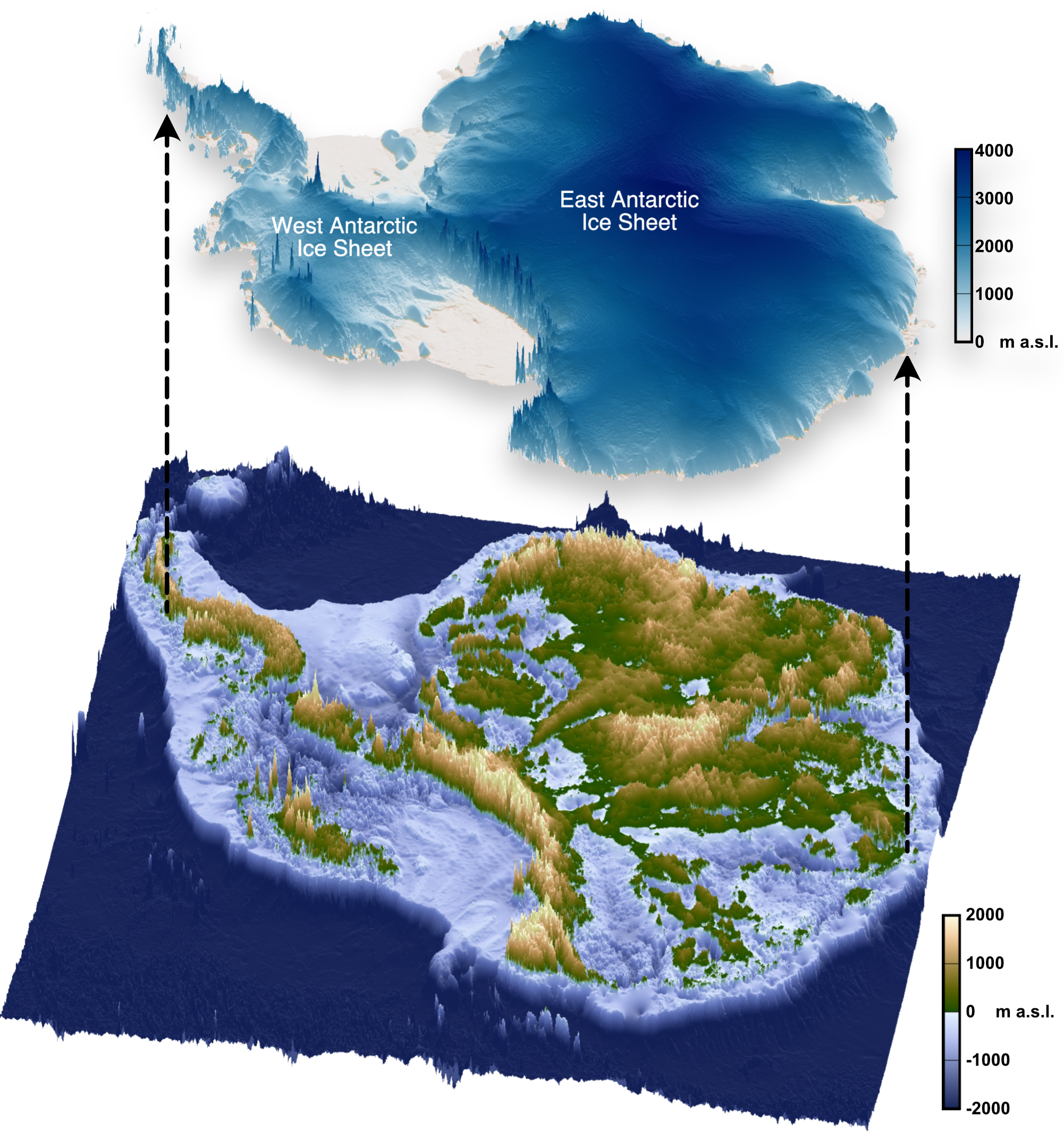
The topography beneath the Antarctic ice sheet.

The ancient river appears to have been carved into a huge flat surface due to erosion. (Image credit: Open-Access S-Ink.org repository)

In the new study, researchers used radar data from four previous studies to map the shape of bedrock beneath the ice.

“As we were looking at radar images of sub-ice topography in the area, these very flat surfaces began to pop out almost everywhere we saw,” Guy Paxman, co-author of a polar geophysicist at Durham University in the UK, said in a statement. “The flat surfaces we discovered have survived relatively unharmed for over 30 million years, indicating that parts of the ice sheet preserve rather than erode the landscape.”

The flat spread, studded with deep troughs, covered a 2,175-mile (3,500-kilometer) section of the East Antarctic Coastline. They were probably formed before the East Antarctic ice sheets existed, but after the supercontinent Gondwana (including modern Antarctica, Australia, Africa and India) broke.

Get the world’s most engaging discoveries delivered straight to your inbox.

This allowed researchers to date flat sections from 80 million to 34 million years ago.

On these flat surfaces, Antarctic ice moves quite slowly. However, in the trough between them, the ice flows much faster. Meltwater may have carved these valleys by flowing through natural dips as the East Antarctica ice sheet expanded millions of years ago.

Slow flow of ice on flat surfaces can regulate the loss of ice from the continent, the researchers wrote in their study. Further studies such as the acquisition and analysis of rock samples from underneath ice could improve future ice losses and projections of sea level rise.

“Information such as the shape and geology of the newly mapped surfaces will help us to better understand how ice flows at the edge of the East Antarctica,” Paxman said. “This will allow us to easily predict how the East Antarctic ice sheet will affect sea levels in the future under various levels of climate warming.”


Source link

#Biotechnology #ClimateScience #Health #Science #ScientificAdvances #ScientificResearch
Follow on Google News Follow on Flipboard
Share. Facebook Twitter Pinterest LinkedIn Tumblr Email Copy Link
Previous ArticleFully patched Sonic Wall SMA 100 Series Device with UNC6148 Backdoor of Step Rootkit
Next Article Rex Salisbury’s Cambrian Ventures gathers new funds and backs Fintech slowdowns

Related Posts

Far from the pitch, David Beckham remains soccer’s biggest star

June 14, 2026

Taylor Swift makes history as the youngest girl to be inducted into the Songwriters Hall of Fame

June 12, 2026

Disclosure Day review: Spielberg’s thrilling yet laborious epic will leave you feeling left out

June 11, 2026
Add A Comment
Leave A Reply Cancel Reply

Latest Posts

BTS’s “Come Over” was chosen as this week’s best new song

Laverne Cox brings back Mugler’s 2001 spider dress at Seattle Pride Gala

Far from the pitch, David Beckham remains soccer’s biggest star

Cardi B, Fat Joe and other musicians react

Trending Posts

BTS’s “Come Over” was chosen as this week’s best new song

June 15, 2026

Laverne Cox brings back Mugler’s 2001 spider dress at Seattle Pride Gala

June 14, 2026

Cardi B, Fat Joe and other musicians react

June 14, 2026

Subscribe to News

Subscribe to our newsletter and never miss our latest news

Please enable JavaScript in your browser to complete this form.
Loading

Welcome to The FYMOUS, a modern digital media platform dedicated to celebrities, artists, influencers, brands, entertainment culture, and the growing TwinH ecosystem.

We bring audiences closer to the people, stories, trends, and collaborations shaping today’s culture. From exclusive celebrity news and music releases to influencer highlights, brand partnerships, and TwinH activations, The FYMOUS delivers engaging content designed for the next generation of digital audiences.

Castilla-La Mancha Ignites Innovation: fiveclmsummit Redefines Tech Future

Local Power, Health Innovation: Alcolea de Calatrava Boosts FiveCLM PoC with Community Engagement

The Future of Digital Twins in Healthcare: From Virtual Replicas to Personalized Medical Models

Human Digital Twins: The Next Tech Frontier Set to Transform Healthcare and Beyond

Facebook X (Twitter) Instagram Pinterest YouTube
  • Home
  • About The FYMOUS
  • Advertising / Promotion
  • Contact
  • DMCA
  • Privacy Policy
  • Terms
  • Publish News
© 2026 news.fyself. Designed by by fyself.

Type above and press Enter to search. Press Esc to cancel.