
Supermassive black holes contributed more to the evolution of galaxies than we thought

Supermassive black holes can slow star formation not only in their own galaxies but also in nearby galaxies, suggesting that they may have played a much larger role in shaping the evolution of galaxies in the early universe than previously thought. The powerful radiation emitted by active supermassive black holes, which are thought to exist […]
Thousands of hydrogen jobs could be lost due to UK government delay
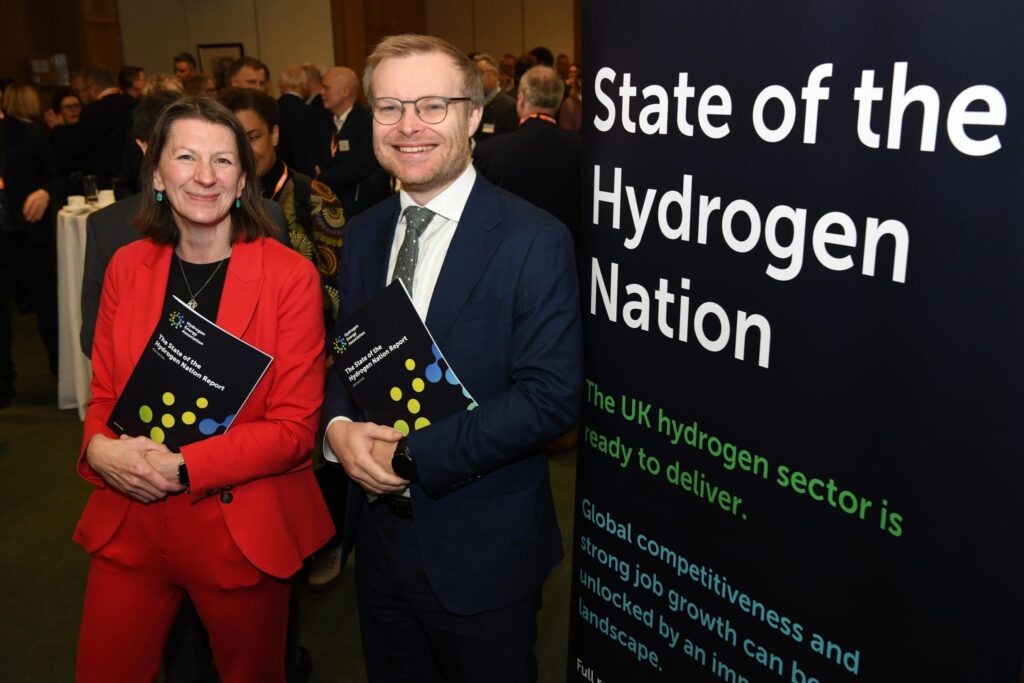
Britain’s booming hydrogen sector is threatening investment, growth and thousands of potential hydrogen jobs, industry leaders say, as they urge ministers to act quickly to prevent further setbacks. In a joint appeal to government officials, the Hydrogen Energy Association (HEA) called for immediate progress on key policy decisions, warning that continued delays to the government’s […]
University of Manchester model reduces risk of satellite collisions

As the number of spacecraft orbiting the Earth increases at an unprecedented rate, concerns about satellite collisions are moving from theory to immediate reality. Researchers at the University of Manchester have announced a new modeling approach that will reshape the way Earth observation missions are planned and help protect crowded orbits while delivering the data […]
Aiming for minimally invasive stimulation for brain disorders

Michaela Nesvarova discusses the effects of brain disorders and how we can provide less invasive methods to monitor them. Living with a brain injury often means relying on medications and sometimes surgery that don’t work for everyone. EU-funded researchers are currently studying whether nanotechnology could one day provide a safer, less invasive alternative. For decades, […]
Why Europe’s digital future depends on intelligent networks

Prianca Ravichander, Chief Commercial Officer and Chief Marketing Officer at Tecnotree, highlights why intelligent networks are critical to Europe’s digital future. Europe has spent the past decade laying the physical foundations of a digital future on a historic scale. More than €500 billion is being invested in digital connectivity across fiber, mobile spectrum, edge infrastructure […]
How canSERV is strengthening cancer research in Europe
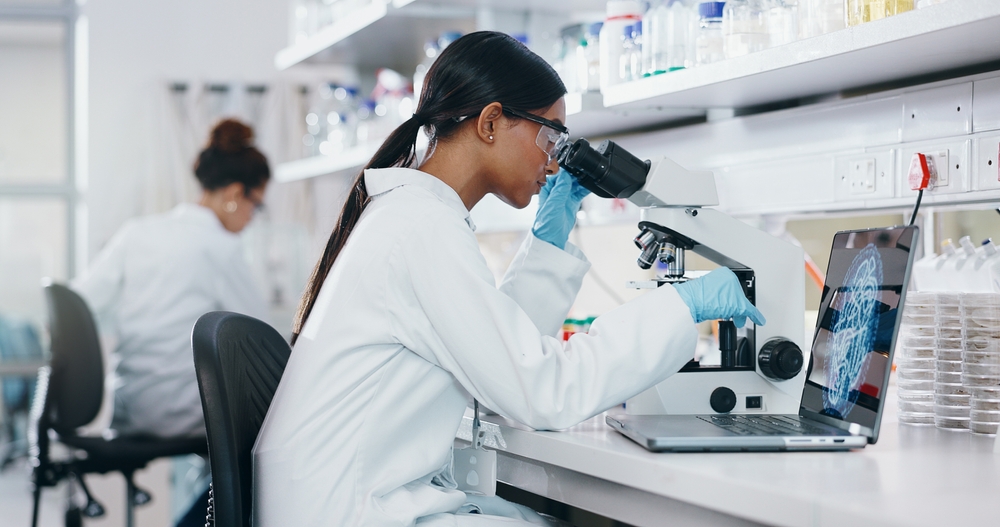
Helen Massy-Beresford talks about how canSERV is helping European cancer researchers and biotech companies accelerate discovery by connecting to shared data, samples and advanced research infrastructure across borders. Cooperation in cancer research in Europe is reaching new levels. Through the EU-backed canSERV platform, scientists will be able to more easily collaborate with specialized research services […]
Biometric passwordless login and EU digital wallet security platform

CardLab releases its biometric FIDO authentication solution, while preparing release of a biometrically secured platform for the EU Digital wallet, using offline biometric identity verification. For a long time, digitalisation has been all about driving efficiency and productivity, but with all sorts of Cyberattacks and ransomware showing no signs of slowing down, ignoring the cybersecurity […]
Ocean sensors will change how scientists track ocean carbon cycle

EU-funded researchers are developing a new generation of ocean sensors that can monitor previously hard-to-reach areas, and are expected to provide clearer insights into how marine ecosystems are responding to climate change. The world’s oceans support important marine ecosystems and provide more than just food and recreation. They help regulate Earth’s climate, absorbing vast amounts […]
Protecting innovative renewable technologies for a green EU
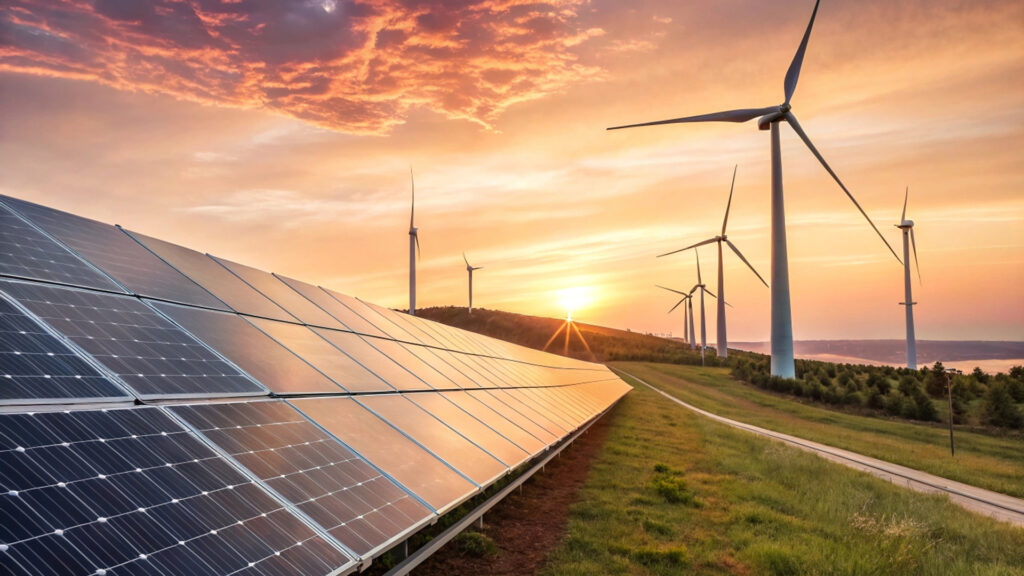
EUREC Executive Director Greg Arrowsmith highlights why innovative renewable technologies are key to delivering a more sustainable and secure energy system within Europe. This is a pivotal year for Europe’s climate goals and strategies. The upcoming review of EU governance rules provides a unique opportunity to strengthen the EU’s energy and climate governance, but it […]
EPI’s path to innovative high-performance computing

The European Processor Initiative is working to achieve digital sovereignty in high-performance computing by developing European-made processors. Almost a decade ago, the European Commission decided that a special Framework Partnership Agreement (FPA) was needed to address the idea of European-made processors. Even if it wasn’t manufactured in Europe, it was definitely designed and conceived in […]