

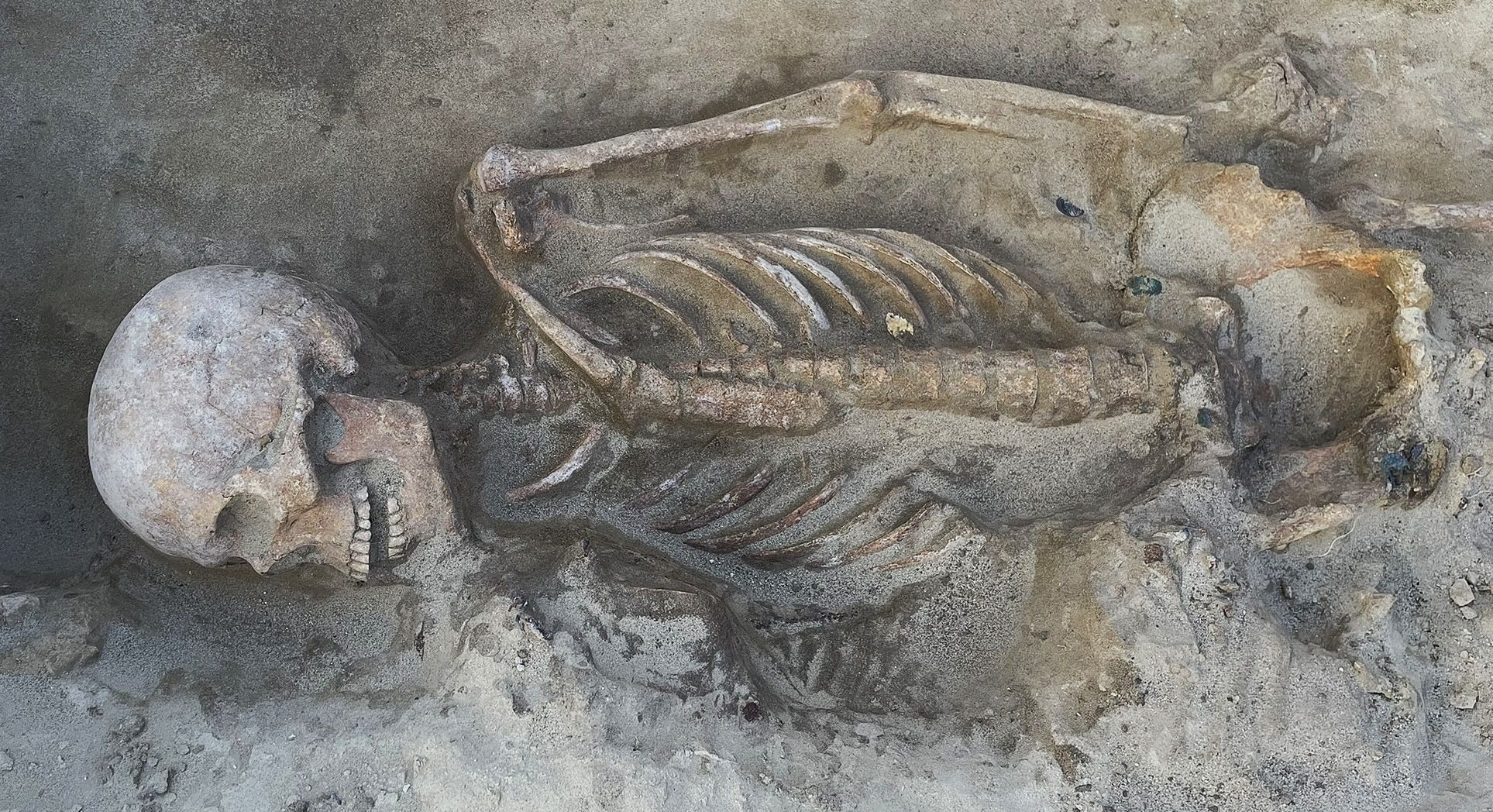
Hungarian archaeologists have discovered the burials of three elite male warriors from 1,100 years ago, and DNA analysis shows they were related.
The warriors’ burial goods include weapons such as sabers and bows with quivers, as well as dozens of coins. DNA analysis showed that one of the warriors may have been the father or brother of the teenage warrior at the other burial site, indicating that all three warriors were related along the paternal line.
The burial, located near the village of Akasht, about 57 miles (92 kilometers) southeast of Budapest, was discovered by volunteers from the Katna József Museum’s regional archeology program and excavated by a team of volunteers and experts led by the museum’s head of archeology, Wilhelm Gabor.
you may like
The archeology team told LiveScience in an email that all three were buried in the 920s or 930s. The three burials yielded a total of 81 coins. Most are from northern Italy, dating from the reign of King Berengar (888-924), who ruled part of Italy and was a great-grandson of Charlemagne. At that time, the Hungarians had formed a kingdom in Hungary, and the kingdom’s warriors were participating in military campaigns in northern Italy. Archaeologists said the warriors at the burial site may have obtained the coins during these expeditions.
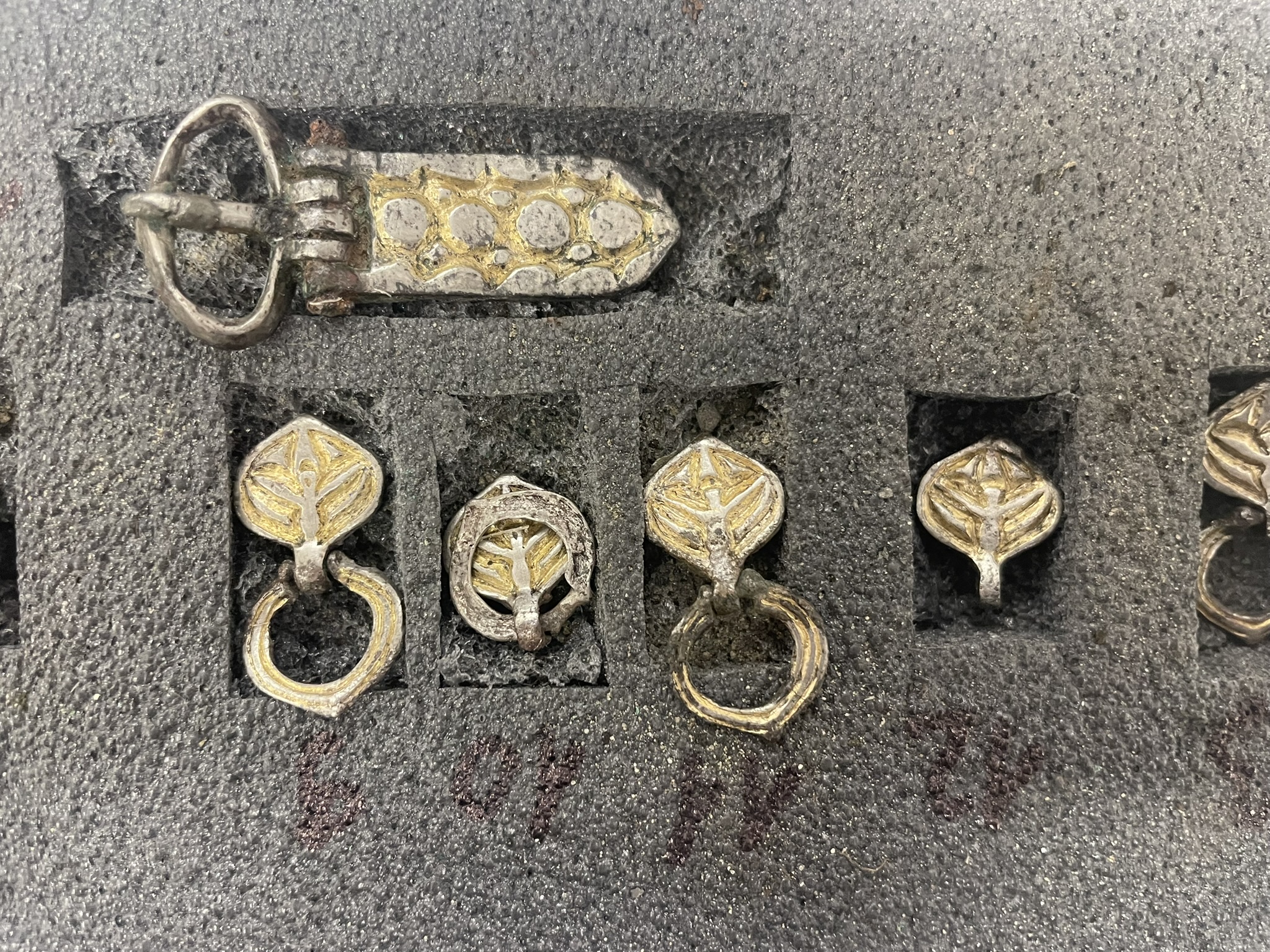
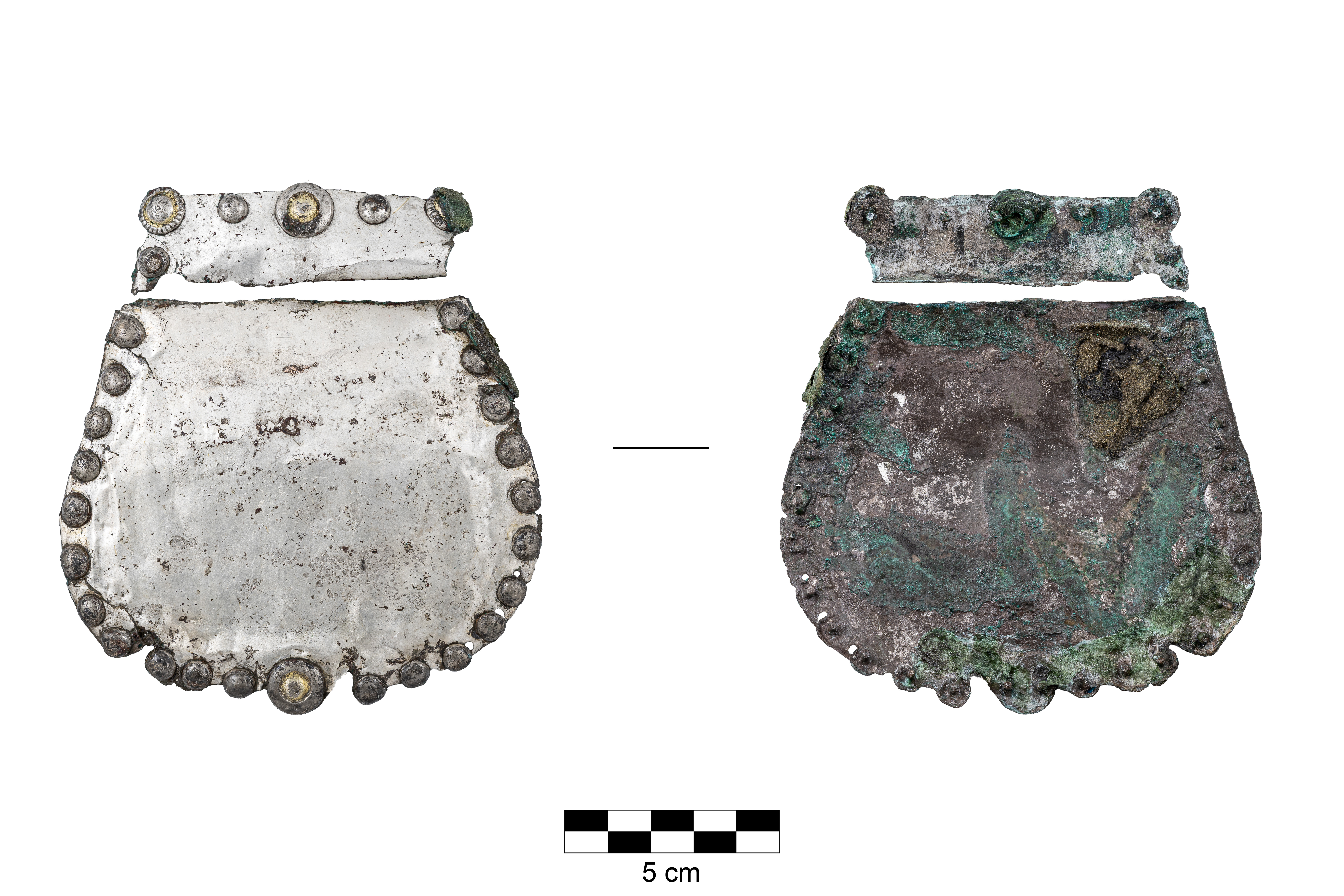
One of the warriors was between 17 and 18 years old at the time of his death, and part of his belt was decorated with gilded silver. To his right was a leather pouch known as a saber tassel, decorated with silver plate.
“On his left hand he wore a gold ring with a blue glass stone,” and “his feet were adorned with ornate silver bracelets and anklets,” the archaeologists wrote. Several small gold plates were found on his body, which the researchers suggested could possibly be the remains of clothing or death clothing. He was also buried with a horse harness with straps decorated with gilded silver.
Another burial included a warrior who died at a slightly younger age, between 15 and 16 years old, and was buried with a quiver containing seven arrows and a bow. “The bow’s rigid arched end and handle were covered with decorative antler plates,” the archaeological team wrote.
The third burial, belonging to a warrior who died between the ages of 30 and 35, contained sabers, archery tools, horse harnesses, silver bracelets and a belt decorated with coins, archaeologists said. DNA analysis revealed that this person was probably the father or brother of the youngest warrior, and that all three warriors were related.
The researchers also looked at the proportions of isotopes, or elements with varying numbers of neutrons in their atomic nuclei, in the warriors’ remains. This analysis revealed that the three warriors had a diet rich in animal protein.
Archaeological finds “allow us to say that an elite group of warriors, probably members of the military leadership, were buried here,” the archaeologists wrote. Research is underway to learn more about the true identity of the warriors. It is not clear how they died.
Source link
