


Many of the world’s largest deltas, including the Nile, Amazon and Ganges rivers, are sinking faster than global sea levels are rising, a new study has found.
This means that land subsidence is becoming a major cause of land loss, coastal flooding and salt water intrusion in deltas, exceeding the effects of sea level rise due to climate change. The researchers also found that groundwater extraction is the biggest cause of subsidence in deltas around the world, with urban expansion and reduced river sediment loads contributing to the overall subsidence trend.
you may like
“To our knowledge, this is the most comprehensive, high-resolution, delta-scale assessment of modern land subsidence performed globally to date,” co-author Manuchel Shirzaei, associate professor of geophysics and remote sensing at Virginia Tech, told Live Science via email. “Across the delta region we analyzed, changes in groundwater storage emerged as the most influential anthropogenic factor explaining subsidence patterns in many systems.”
Shirzaei and colleagues used data from the Sentinel-1 satellite to study subsidence in 40 of the world’s largest river deltas between 2014 and 2023. Sentinel-1 not only captures changes in ground height due to subsidence, but also sedimentation and erosion, according to the study, published Wednesday, January 14 in the journal Nature.
Of the 40 deltas, 18 had average annual subsidence rates greater than the current rate of global sea level rise, which is about 0.16 inches (4 millimeters) per year.
When the researchers zoomed in, they found that every delta region they studied except the Rio Grande Delta was sinking faster than global sea levels were rising in some places. During the study period, 38 deltas experienced subsidence of more than 50% of their deltas, and 19 deltas, including the Mississippi Delta, Nile Delta, and Ganges-Brahmaputra Delta, experienced more than 90% subsidence.
The most affected delta regions in this study were the Chao Phraya Delta in Thailand, the Brantas Delta in Indonesia, and the Yellow River Delta in China. They exhibit an average subsidence rate of about 0.3 inches (8 mm) per year, which is twice the rate of global sea level rise.
Sirzaei said two main points emerged from the study. “First, land subsidence often outpaces sea level rise as the main driver of relative sea level rise in deltas today. This means that many coastal risks are increasing faster than climate-only projections would suggest. Second, there is a severe mismatch between risk and capacity. Areas of delta subsidence fastest are often in areas with the least corresponding resources.”
Delta regions are home to between 350 and 500 million people worldwide. These cities are home to 10 of the world’s 34 largest cities, along with important infrastructure such as ports. This means that the effects of land subsidence and sea level rise, such as coastline retreat and frequent flooding, are immeasurable.
you may like
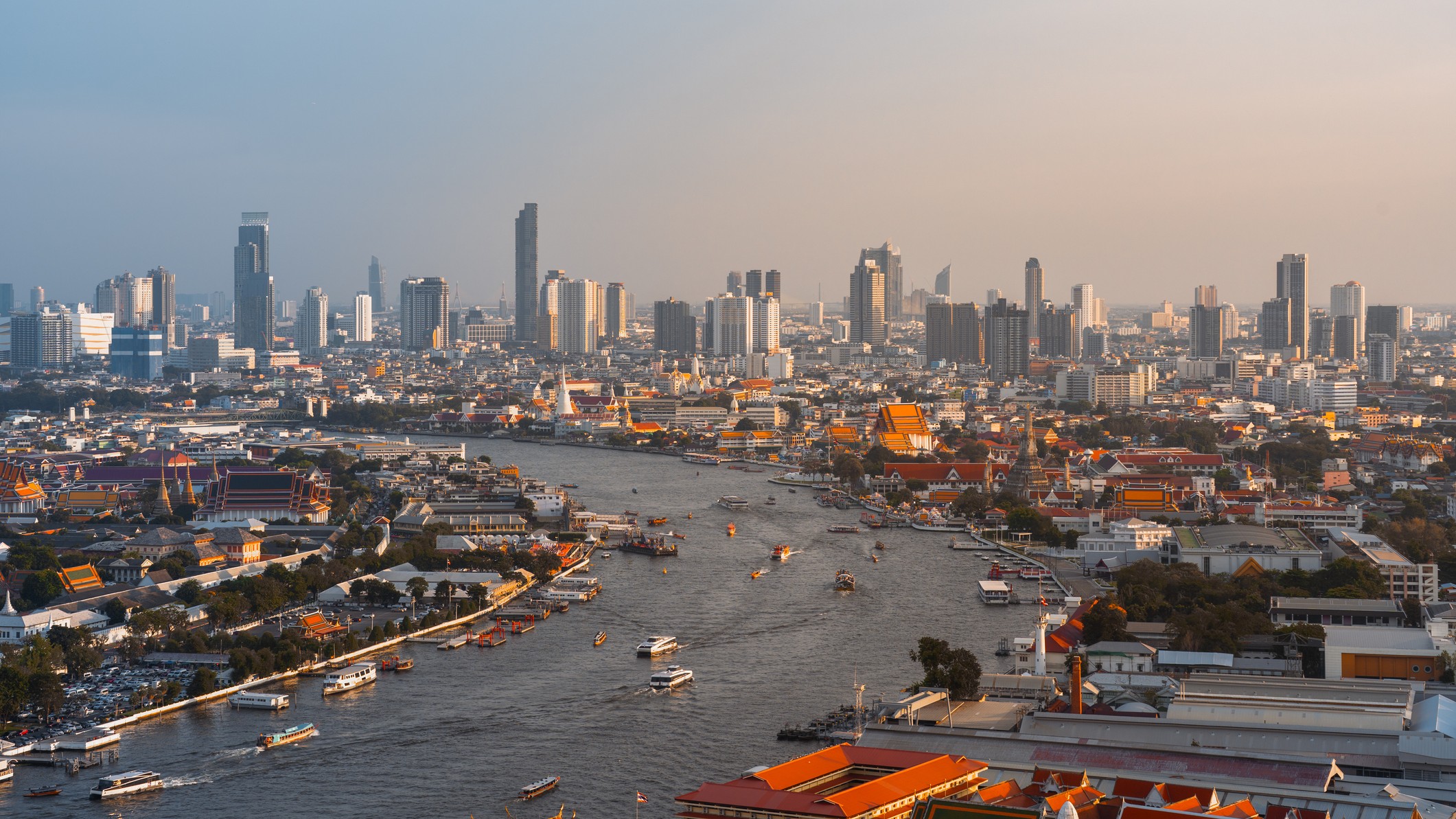
And these huge populations are themselves a source of land subsidence, as cities pile enormous weight onto the land and compact the soil. Large populations usually require large amounts of water, which further exacerbates groundwater pumping. This further compacts the soil.
“With rapid urbanization in delta regions, urban growth can significantly worsen land depression,” Sirzaei said. However, he said groundwater extraction for all purposes, including agriculture and industry, remains the biggest cause of subsidence in the delta. “While groundwater pumping is well known as a local driver of land subsidence, what stands out is how consistently dominant it is on a global scale, even when compared to other major anthropogenic pressures.”
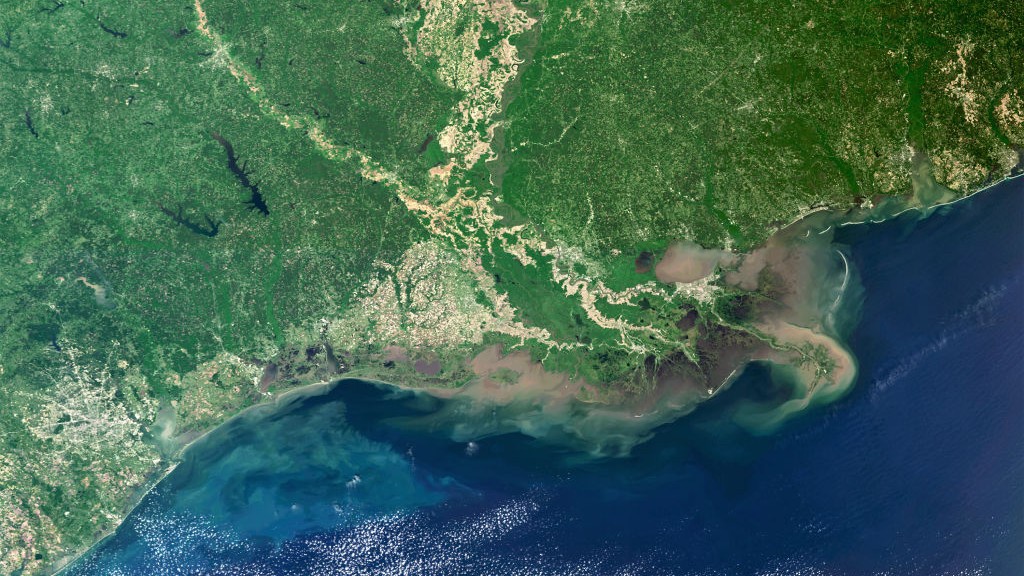
Another cause of land subsidence is that dams and other river management strategies reduce the amount of sediment that flows from rivers into the ocean. Sediment inflows can offset land subsidence and sea level rise to some extent, but human modifications to natural river flows have disrupted this balance. For example, the Mississippi River Delta has lost approximately 1,900 square miles (5,000 square kilometers) of land since 1932 to the combined effects of dams, levees, and erosion.
Sirzaei said the main causes of subsidence in the delta are anthropogenic, presenting an opportunity for intervention. “One of the most important messages from this study is that land subsidence can often be managed,” he said.
Sirzaei said that in parallel with efforts to limit climate change, countries should consider reducing groundwater extraction and replenishing aquifers with floodwaters and treated wastewater. Controlled flooding and sediment diversion can help increase sediment deposition. Restricting large infrastructure in areas most prone to subsidence could also help slow subsidence, he said.
“These measures, combined with flood protection and climate adaptation, have the potential to significantly reduce long-term risks,” he said.
Source link
