Close Menu
  • Home
  • Identity
  • Inventions
  • Future
  • Science
  • Startups
  • Spanish
What's Hot

Trivy Security Scanner GitHub Actions Compromised, Hijacks 75 Tags and Steals CI/CD Secrets

Langflow critical flaw CVE-2026-33017 triggers attacks within 20 hours of publication

Cyberattack on car breathalyzer company leaves drivers stranded across the US

Facebook X (Twitter) Instagram
  • Home
  • About Us
  • Advertise with Us
  • Contact Us
  • DMCA
  • Privacy Policy
  • Terms & Conditions
  • User-Submitted Posts
Facebook X (Twitter) Instagram
Fyself News
  • Home
  • Identity
  • Inventions
  • Future
  • Science
  • Startups
  • Spanish
Fyself News
Home » 1,800-year-old nails found in three burial sites in Roman necropolis, may have been used to ‘protect’ both the living and the dead
Science

1,800-year-old nails found in three burial sites in Roman necropolis, may have been used to ‘protect’ both the living and the dead

By March 19, 2026No Comments3 Mins Read
Share Facebook Twitter Pinterest Telegram LinkedIn Tumblr Email Copy Link
Follow Us
Google News Flipboard
Share
Facebook Twitter LinkedIn Pinterest Email Copy Link

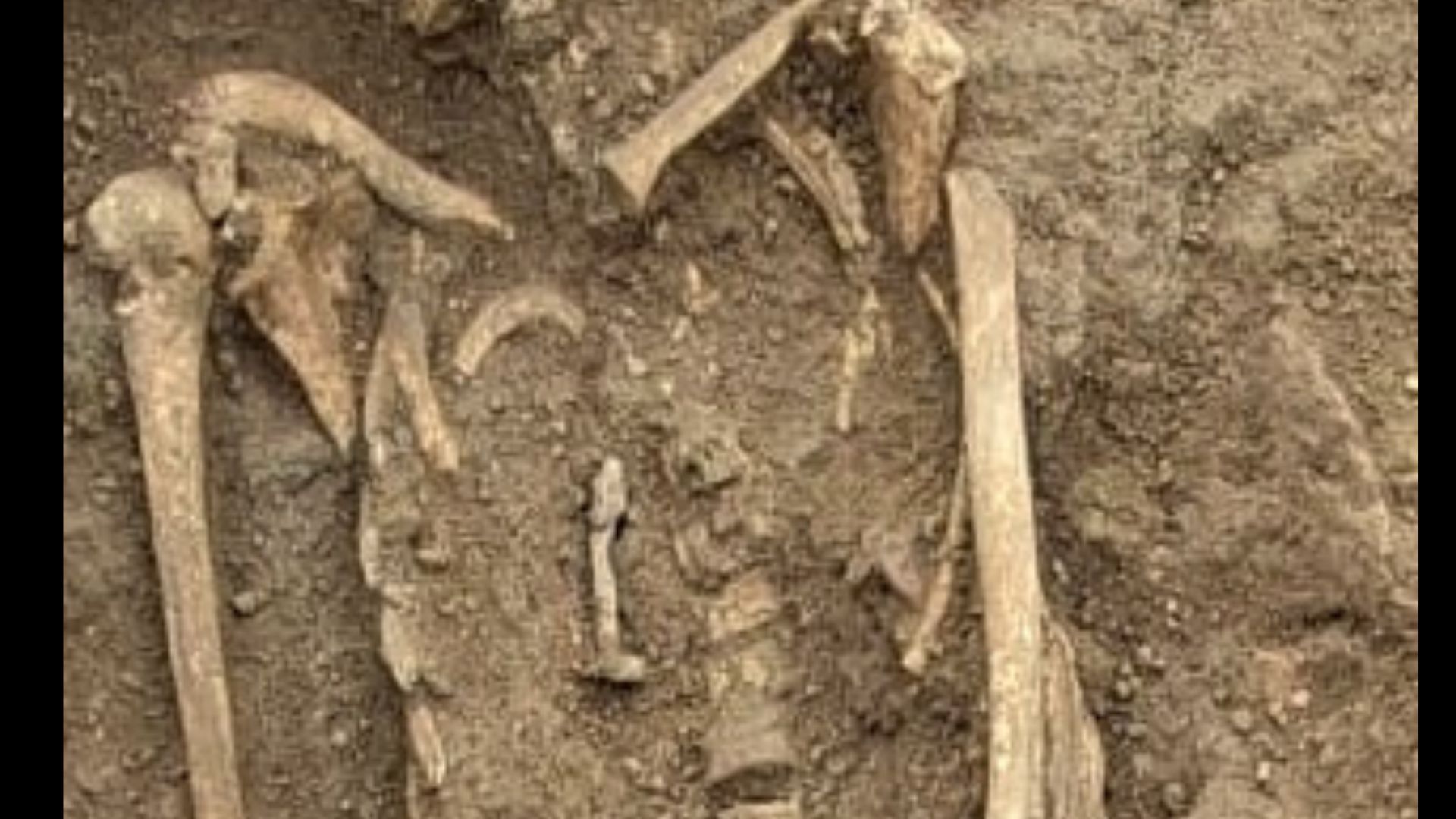
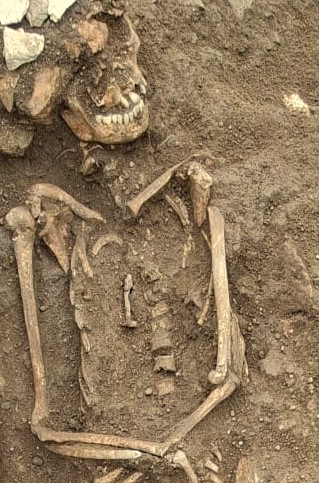
Close-up of a half-excavated skeleton with a metal nail placed on the left side of the ribcage

A close-up of the skeleton shows a nail placed above the chest (just to the left of the spine). (Image source: Rome Special Inspectorate)

Small iron nails placed in the chests of three skeletons preserve rare details about ancient Roman burial customs. 1,800 years ago, someone tried to protect the living from the dead.

Diletta Menguinello, an archaeologist at Italy’s Ministry of Culture’s Special Supervision Office for Rome and leader of the excavation project, told Live Science in a translated email that the discovery of nails in burial sites is “an act well documented in Roman times and later stages.”

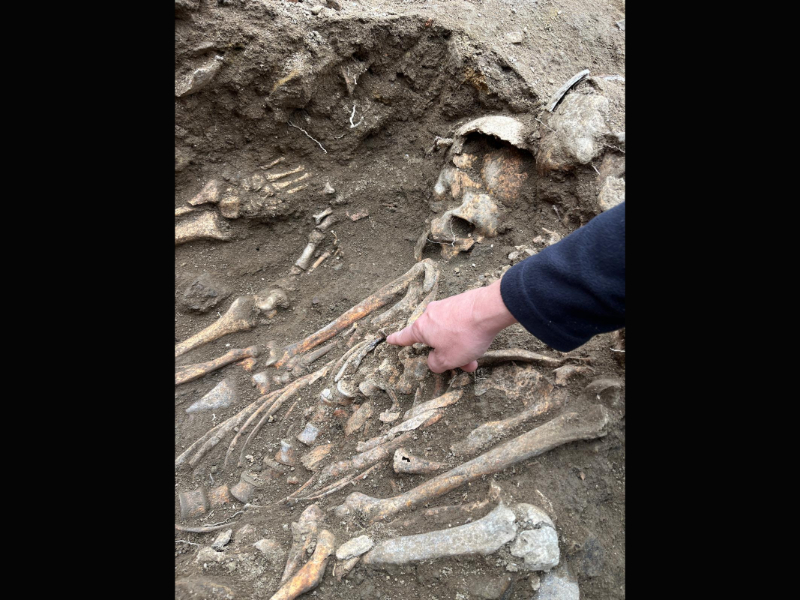
While working in the vast Ostiense cemetery in central Rome, Menguinello and his colleagues discovered three bodies with nails deliberately driven into their chests, according to a March 4 translated statement from Rome’s Office of the Special Inspector General.

Article continues below

you may like

The cemetery of Ostiense was first excavated in 1919, but prior to the construction of the houses, new archaeological work was carried out that exposed another part of the cemetery outside the walls, on Via Ostiense, near the Basilica of St. Paul. Menguinello said the newly discovered ruins help reveal how burial customs changed over the centuries as Ostiense’s cemetery expanded.

“In ancient times, both sides of the road were occupied by vast Roman necropolises with several different types of tombs,” dating from the 2nd century BC to the 4th century AD, Menguinello said. But the exact boundaries of the necropolis are still not fully known, she says. The nailed skeleton was found in a simple tomb and is thought to date from the 3rd to 4th century AD.

However, the purpose of the nail is shrouded in mystery.

Image 1/3
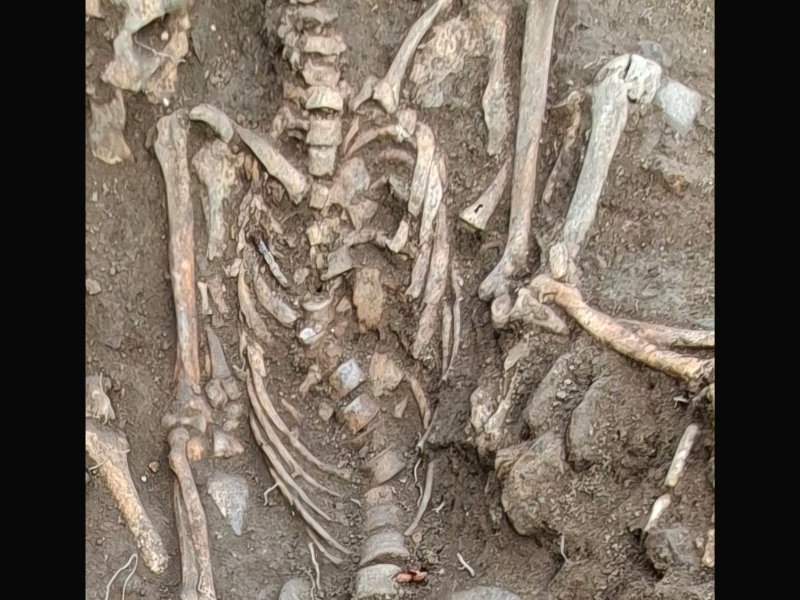
Close-up of a half-excavated skeleton with a metal nail placed on the left side of the ribcage
(Image source: Rome Special Inspectorate)

A close-up of one of the three skeletons found with nails driven into them at an excavation site on Via Ostiense in Rome.

Archaeological excavation photo. It shows a large open burial ground, a close-up of a skeleton with a metal nail on the left, and a close-up of the same skeleton with a hand pointing at the metal nail.
(Image source: Rome Special Inspectorate)

Archaeologist Walter Pantano points out that at the new excavation site, a nail has fallen into one of the skeleton’s chests.

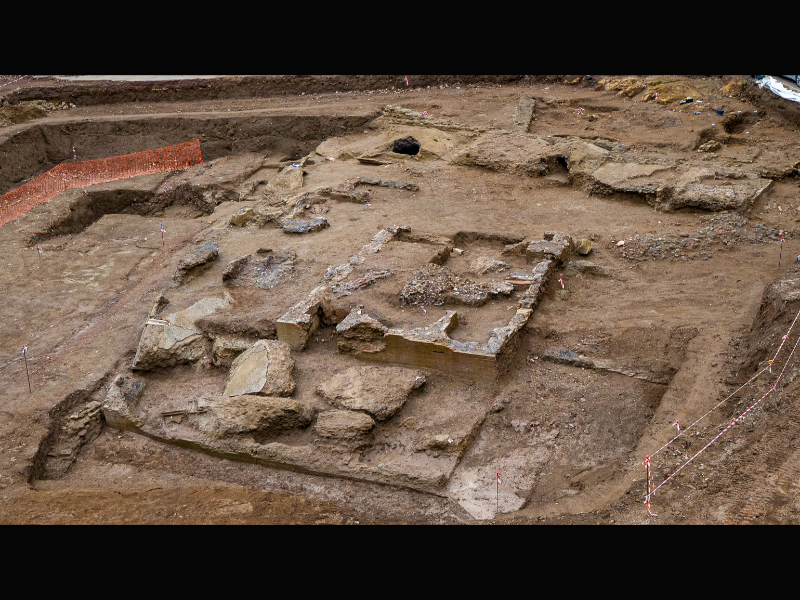
A view of the excavation site. You can see dirt and stones.
(Image source: Rome Special Inspectorate)

Aerial view of the Ostiense necropolis excavation site.

“Its function has been interpreted in many different ways,” Menguinello said, noting that the nails may have been used to symbolically “immobilize” the dead so they could not come back and haunt the living. It was believed that if the body was not immobilized, the deceased could become a “revenant”, a resurrected corpse common in folklore.

Get the world’s most fascinating discoveries delivered straight to your inbox.

However, this custom may also have had the meaning of protecting the deceased. When nails were used in amulet practices, they became a kind of talisman to protect the dead from the dangers of the afterlife and protect graves from being vandalized, Menguinello said.

Therefore, the nailing ritual “would have served to protect the corpse from those who might encroach on its final resting place, protect the dead from malevolent forces, and at the same time protect surviving relatives from the possibility of the dead returning to the living,” Menguinello said.

Roman Emperor Quiz: Test your knowledge about the rulers of ancient empires


Source link

#Biotechnology #ClimateScience #Health #Science #ScientificAdvances #ScientificResearch
Follow on Google News Follow on Flipboard
Share. Facebook Twitter Pinterest LinkedIn Tumblr Email Copy Link
Previous ArticleExperts say discovery of ‘dark oxygen’ on the ocean floor is ‘fundamentally inconsistent with thermodynamics’ and should be retracted
Next Article Meta deploys new AI content enforcement system while reducing dependence on third-party vendors

Related Posts

Is the coming HIV pandemic inevitable? | Charles LeBaron

March 20, 2026

Live Science Today: The Monte Verde controversy and the heatwave that hits the West

March 20, 2026

Experts say discovery of ‘dark oxygen’ on the ocean floor is ‘fundamentally inconsistent with thermodynamics’ and should be retracted

March 19, 2026
Add A Comment
Leave A Reply Cancel Reply

Latest Posts

Trivy Security Scanner GitHub Actions Compromised, Hijacks 75 Tags and Steals CI/CD Secrets

Langflow critical flaw CVE-2026-33017 triggers attacks within 20 hours of publication

Cyberattack on car breathalyzer company leaves drivers stranded across the US

Astronomers identify 45 Earth-like planets in habitable zone

Trending Posts

Subscribe to News

Subscribe to our newsletter and never miss our latest news

Please enable JavaScript in your browser to complete this form.
Loading

Welcome to Fyself News, your go-to platform for the latest in tech, startups, inventions, sustainability, and fintech! We are a passionate team of enthusiasts committed to bringing you timely, insightful, and accurate information on the most pressing developments across these industries. Whether you’re an entrepreneur, investor, or just someone curious about the future of technology and innovation, Fyself News has something for you.

Castilla-La Mancha Ignites Innovation: fiveclmsummit Redefines Tech Future

Local Power, Health Innovation: Alcolea de Calatrava Boosts FiveCLM PoC with Community Engagement

The Future of Digital Twins in Healthcare: From Virtual Replicas to Personalized Medical Models

Human Digital Twins: The Next Tech Frontier Set to Transform Healthcare and Beyond

Facebook X (Twitter) Instagram Pinterest YouTube
  • Home
  • About Us
  • Advertise with Us
  • Contact Us
  • DMCA
  • Privacy Policy
  • Terms & Conditions
  • User-Submitted Posts
© 2026 news.fyself. Designed by by fyself.

Type above and press Enter to search. Press Esc to cancel.