


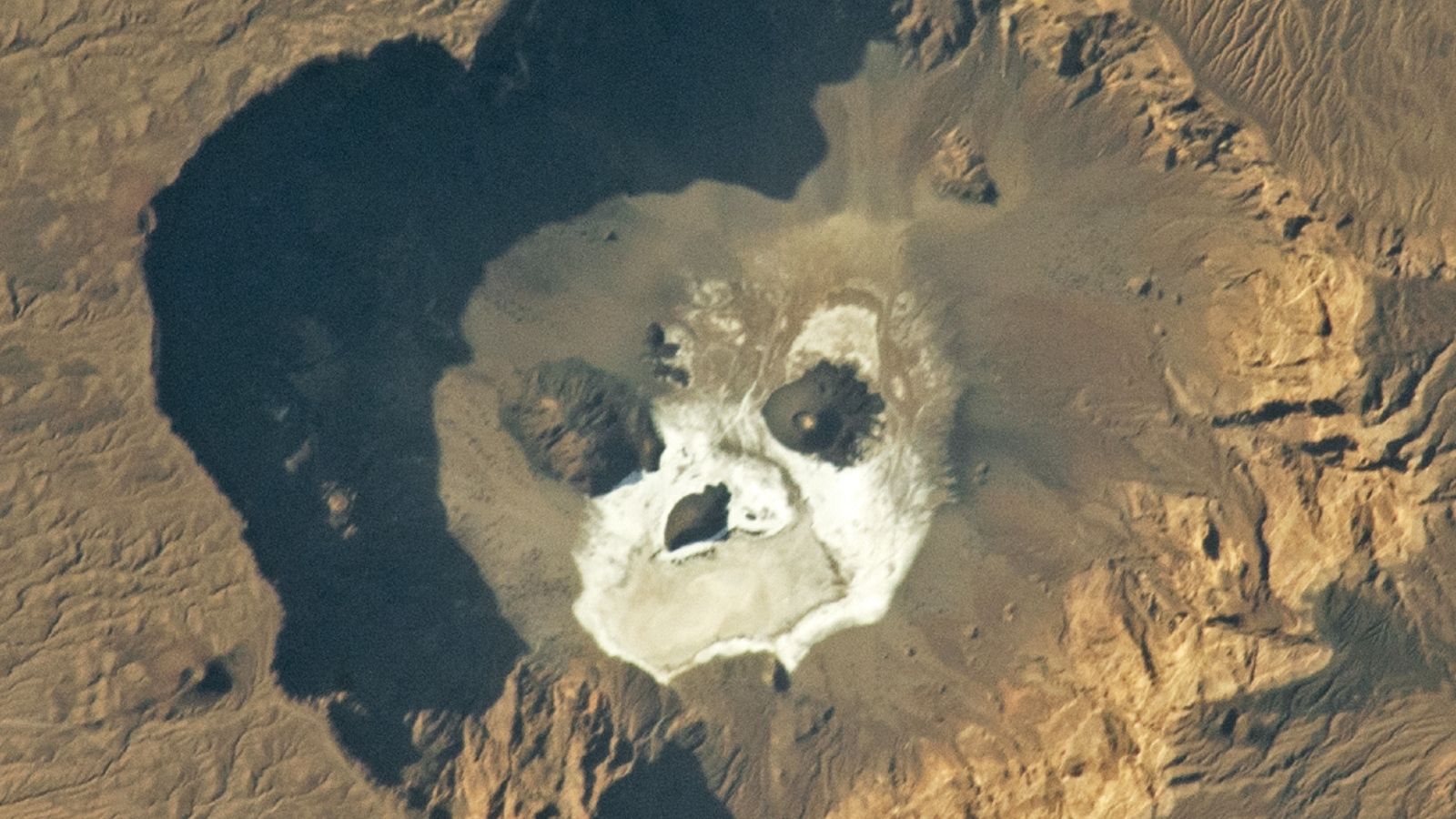
simple facts
Where is it? Trou aux Natrons, Tibesti Massif, Chad [20.96825691, 16.571382232]
What is in the photo? Skull-like structure inside volcanic caldera appears to stare into space
Who took the photo? An unknown astronaut aboard the International Space Station (ISS)
When was it taken? February 12, 2023
This eerie astronaut photo shows a ghostly structure with a skull-like appearance shining into space from the bottom of a giant volcanic hole in the Sahara desert.
An analogue of the skull lies on the floor of Trou aux Natron, also known as Doun Oray, a 1,000 meter (3,300 ft) wide volcanic caldera, or crater, in northern Chad. (Trou au Natron means “Natron’s hole” in French, and Doon Orei means “big hole” in Tedanese.)
The volcanic hole was carved out by a massive eruption hundreds of thousands of years ago and is located in the heart of the Tibesti massif, a 300-mile (480 km) mountain range that stretches from the heart of the Sahara Desert to Chad and Libya, according to NASA’s Earth Observatory.
you may like
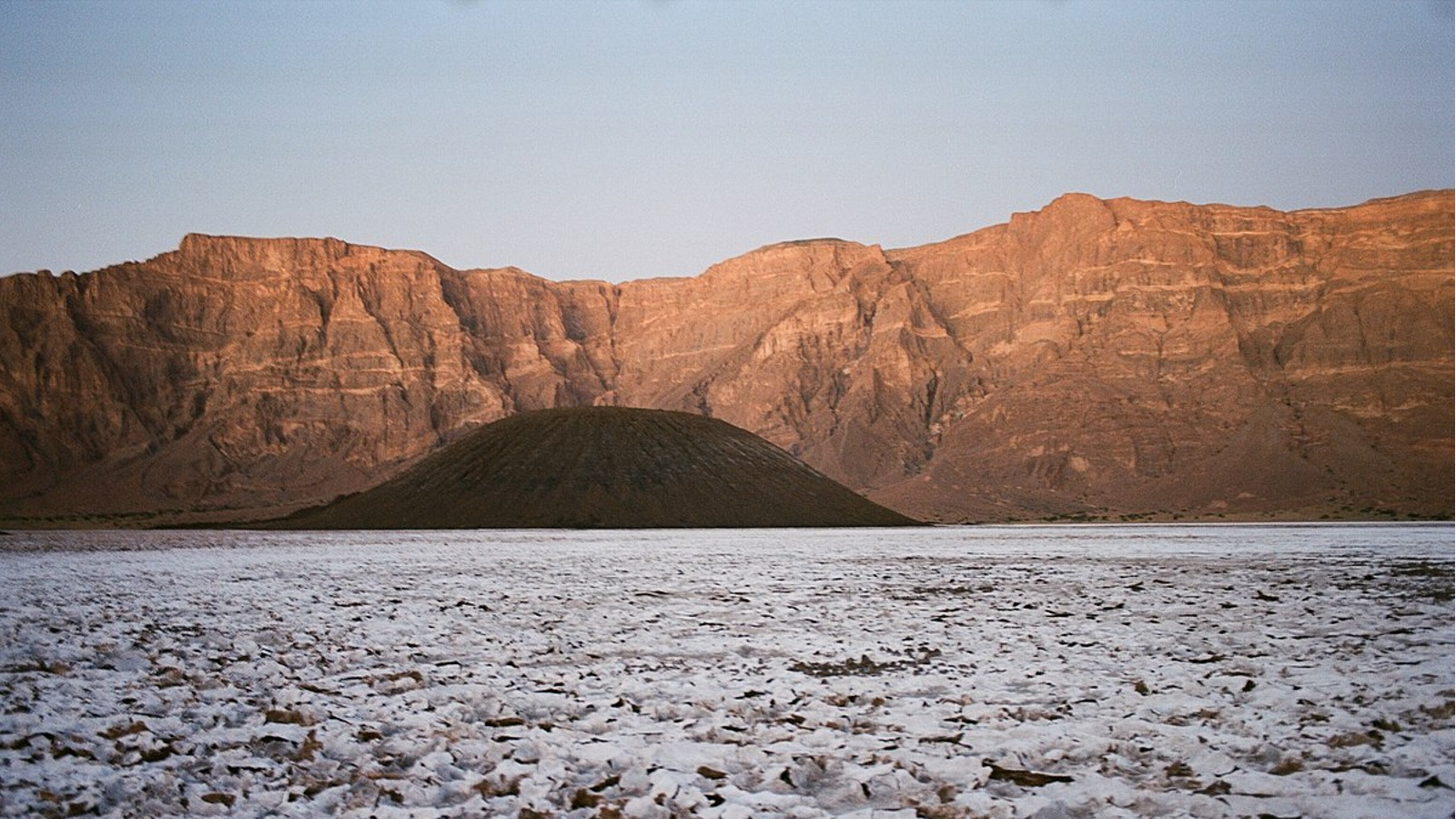
Seen from space, the caldera floor has an unmistakable skull-like appearance. But from the ground (see below), it looks almost imperceptible.
Related: See all the best images of Earth from space
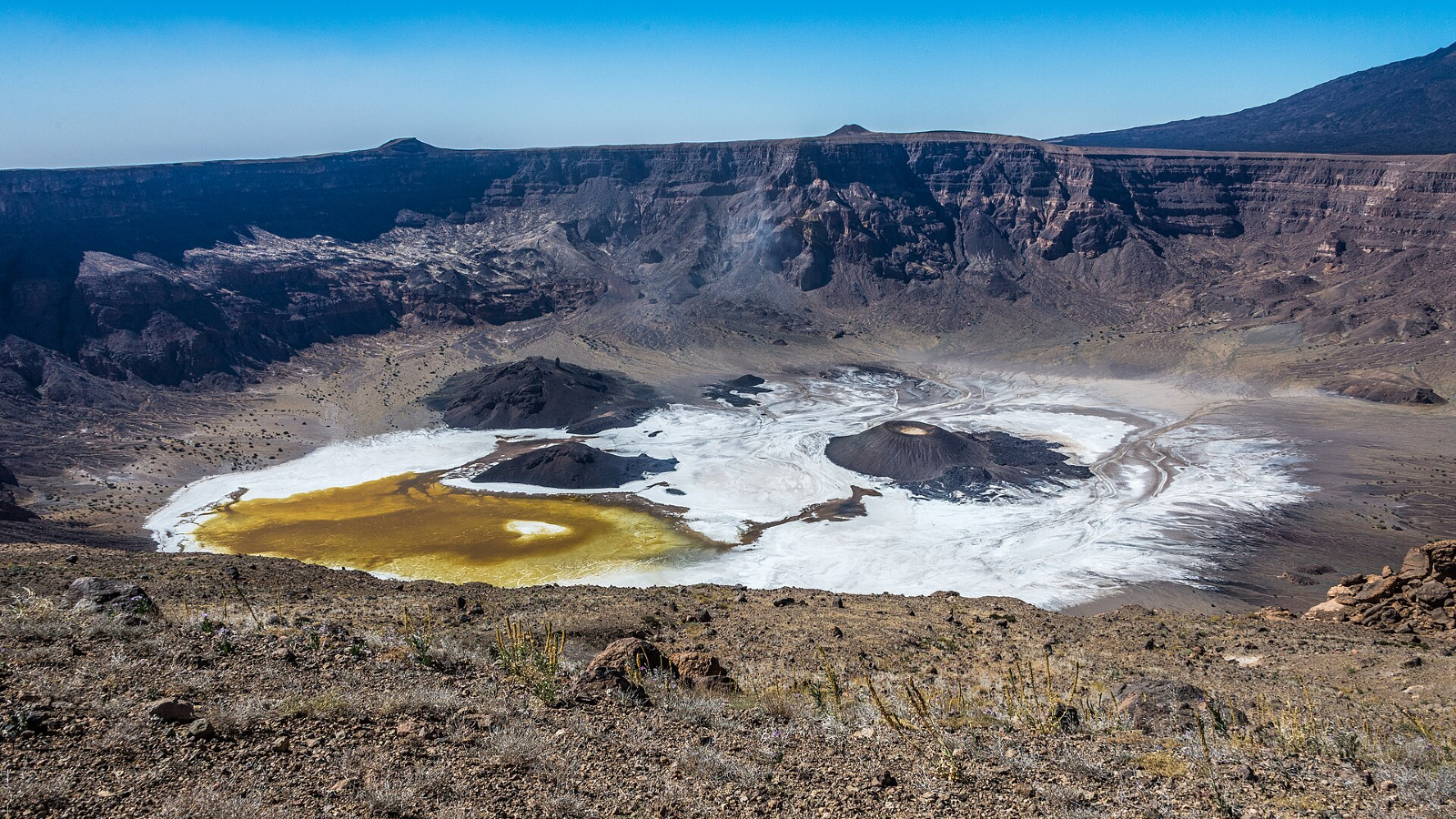
The white color of the skull’s mouth, nose, and cheeks is due to natron, a natural mixture of sodium carbonate decahydrate, sodium bicarbonate, sodium chloride, and sodium sulfate. This salty mixture is very flaky and looks like cracked paint up close.
The eye and nostril areas are actually cinder cones, steep conical hills built around volcanic craters that rise above the rest of the caldera floor. The dark area on the left side of the face is a shadow cast by the high rim of the crater, which helps give the skull its unique shape.
Although Trou aux Natrons is currently barren and lifeless, experts believe it was once a thriving glacial lake. In the 1960s, researchers discovered snail and plankton fossils dating back 14,000 years under the natron-covered pit floor. In 2015, follow-up research uncovered algae fossils dating back 120,000 years.
The caldera has been in a dormant state of volcanic activity since its formation. However, the site is located near Tarso Tuside (located just beyond the top of the satellite image), a vast volcanic formation covered by a sea of frozen lava. According to the Smithsonian Institution’s World Volcanoes Program, Tarso Tuside is a stratovolcano and is thought to remain volcanically active despite not having erupted in more than 12,000 years.
Trou aux Natrons isn’t the only volcanic structure that looks like a skull from space. The Chiltepe Peninsula in Nicaragua’s Lake Managua has two volcanic lakes, each located within its own caldera, and the appearance of the landmass is very similar to Chad’s caldera.