
Williamtown’s PFAS levels impact men’s reproductive health
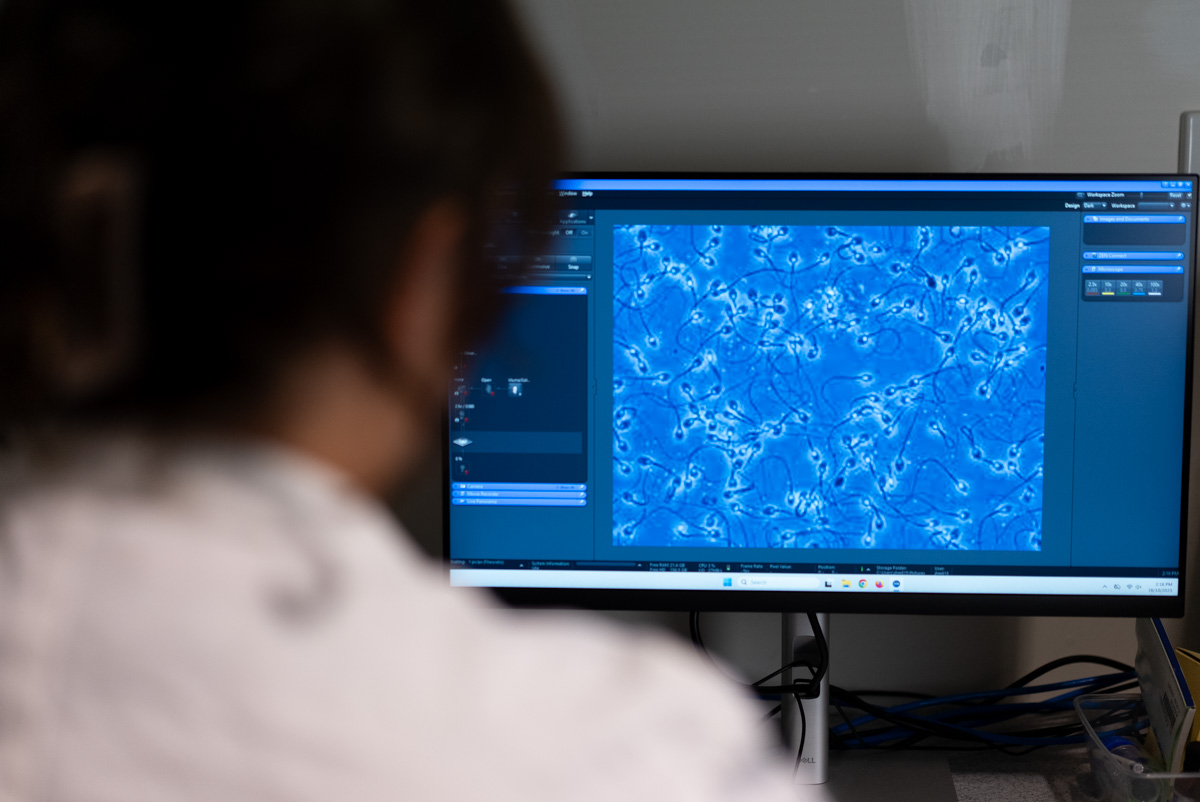
New research from the University of Newcastle has revealed that PFAS levels matching those found in the Williamtown contaminated area can significantly alter the reproductive health of male animals.
In this preclinical study, subjects were exposed to PFAS-contaminated water at concentrations that reflected real-world environmental exposures in the Williamtown region of New South Wales.
This study highlights a potential new mechanism of harm. This means that, rather than directly damaging men’s reproductive health, PFAS may alter the molecular signals carried by sperm, which are essential for healthy embryo development.
“We show for the first time that exposure to PFAS at environmentally relevant levels comparable to those detected at Williamtown can alter the molecular structure of sperm and impair embryonic development,” explained Professor Brett Nixon, who co-led the study.
Impact of PFAS on reproductive health
PFAS are synthetic chemicals that persist in the environment and accumulate in living organisms. Growing evidence suggests that it may pose risks to human health, including effects on male fertility.
The latest findings in animals raise concerns about the potential long-term and generational effects of PFAS exposure.
This discovery was based on preclinical studies in mice, which revealed:
Reduced sperm count during development: Daily sperm production decreased during the period of PFAS exposure. Male hormone levels have decreased. Testosterone and DHT (dihydrotestosterone, a powerful androgenic hormone derived from testosterone), which are essential for sperm production, were reduced. There was a hidden change in the sperm. Molecules that help regulate gene expression have changed. Embryonic development has been interrupted. Early embryos showed abnormal gene expression. The sperm were still functioning normally and, despite the molecular changes, were able to migrate, survive, and fertilize eggs in a laboratory environment.
These findings mirror human studies showing lower sperm counts in men with high exposure to PFAS, suggesting that PFAS exposure alone by the father can affect children, even if the children themselves are not directly exposed.
Dr. Jacinta Martin, another co-leader of the study, said: “One of the predicted changes we noticed is related to body size, where offspring fathered by animals exposed to PFAS may be born or grow significantly larger than normal.”
Drinking water is a major source of PFAS exposure
The study was based on real-world environmental exposures and emulated the levels and types of PFAS found in samples from groundwater monitoring wells in the Williamtown contaminated area.
Additionally, subjects in our study were exposed to PFAS through contaminated water they ingested over a 12-week period.
More research is needed on the link between PFAS and reproductive health
This research project is an example of Newcastle University’s commitment to helping communities live better, healthier lives.
Further research and funding is needed to understand how exposure to PFAS affects child health and how combinations of maternal and paternal exposures interact.
The community is now invited to participate in a public forum on male infertility that brings together reproductive science and IVF experts. The public can register for free for the event, which will be held at NEX Newcastle from 6pm to 8pm on October 30th, here.
Source link

