


Ancient DNA has revealed a mysterious indigenous group that lived in central Argentina for nearly 8,500 years, a new genetic study reports.
This newly discovered “deep lineage” of people lived at the same time as two other indigenous lineages in central Argentina, but had little interaction with other indigenous lineages in the region, the researchers found.
you may like
“Our big question was, given our location in the middle of these three populations, do people here have mixed ancestry or not?” study co-author Rodrigo Nores, a geneticist at Argentina’s National University of Córdoba, told Science.
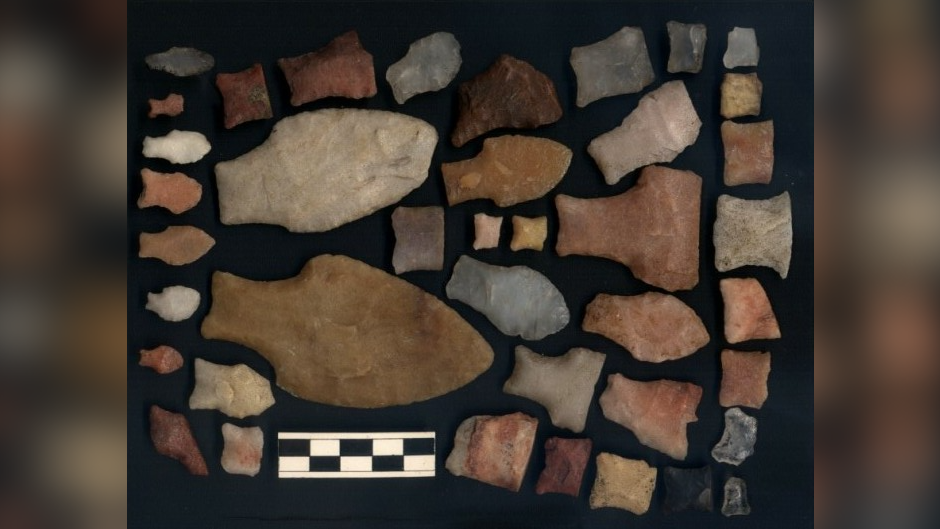
Given the well-documented and rapid spread of ancient humans across South America, visible in archaeological evidence such as “fishtail” stone projectiles distributed throughout the Southern Cone (an area that includes Argentina, Chile, Paraguay, and Uruguay), there has been a long-standing assumption that ancient genomes would provide other evidence of how humans migrated throughout South America.
But the team’s genomic studies of archaeological skeletons have revealed a “deep genetic lineage” that persisted in central Argentina for more than 8,000 years, or at least until 1800 AD, without significant interaction with surrounding populations. Although the archaeogenetic footprint ended about 200 years ago, researchers have found some clues in the DNA of modern Argentines. This mysterious lineage appears to be the main Native American lineage in the region to this day, the researchers said in their study.
It is unclear why people in this genetic group were so self-contained, given that central Argentina has no geographic boundaries that prevent people from moving outside the region or interacting with other people. And it’s especially surprising given that for thousands of years, central Argentina has faced long-term droughts, the shift from hunting and gathering to agricultural production, and the spread of Amazonian peoples into the region, all events that typically lead to population turnover.
Although myriad languages existed in prehistoric central Argentina, similar genetic backgrounds of mysterious lineages persisted, meaning language differences do not equate to biological differences, the researchers said in the study. In other words, this newly discovered lineage of people may have spoken many languages.
Although this new study is not the final word on Argentina’s genetic history, the researchers write, “The genetic structure revealed here provides a basis for archaeological correlations and deepens our understanding of an important world region.”