


The United States could lose measles-free status as early as January, marking a sustained resurgence of the disease, which was eradicated from the country 25 years ago.
Canada was stripped of its measles exclusion status on November 10 after the Pan American Health Organization concluded that recent measles outbreaks in Canada were related and represented ongoing infections lasting more than 12 months. Measles is considered eliminated in a country or region only if there has been no ongoing outbreak for at least one year. Therefore, to maintain ‘elimination status’, travel-induced disease introduction must be stopped before it spreads for 12 consecutive months.
A major measles outbreak in West Texas began in January 2025 and has since ended. But while measles was raging, it may have caused cases in Arizona and Utah, where outbreaks are still ongoing. If public health officials find sufficient evidence linking these outbreaks, measles-free status will likely disappear in the United States in January 2026.
you may like
“It remains to be seen what decisions will be made in January,” said Dr. Diego Hijano, an infectious disease specialist at St. Jude Children’s Research Hospital. “But when they look at the cases that started in Texas and continue to spread, they’re likely to think that cases from that region have been going on for 12 months.”
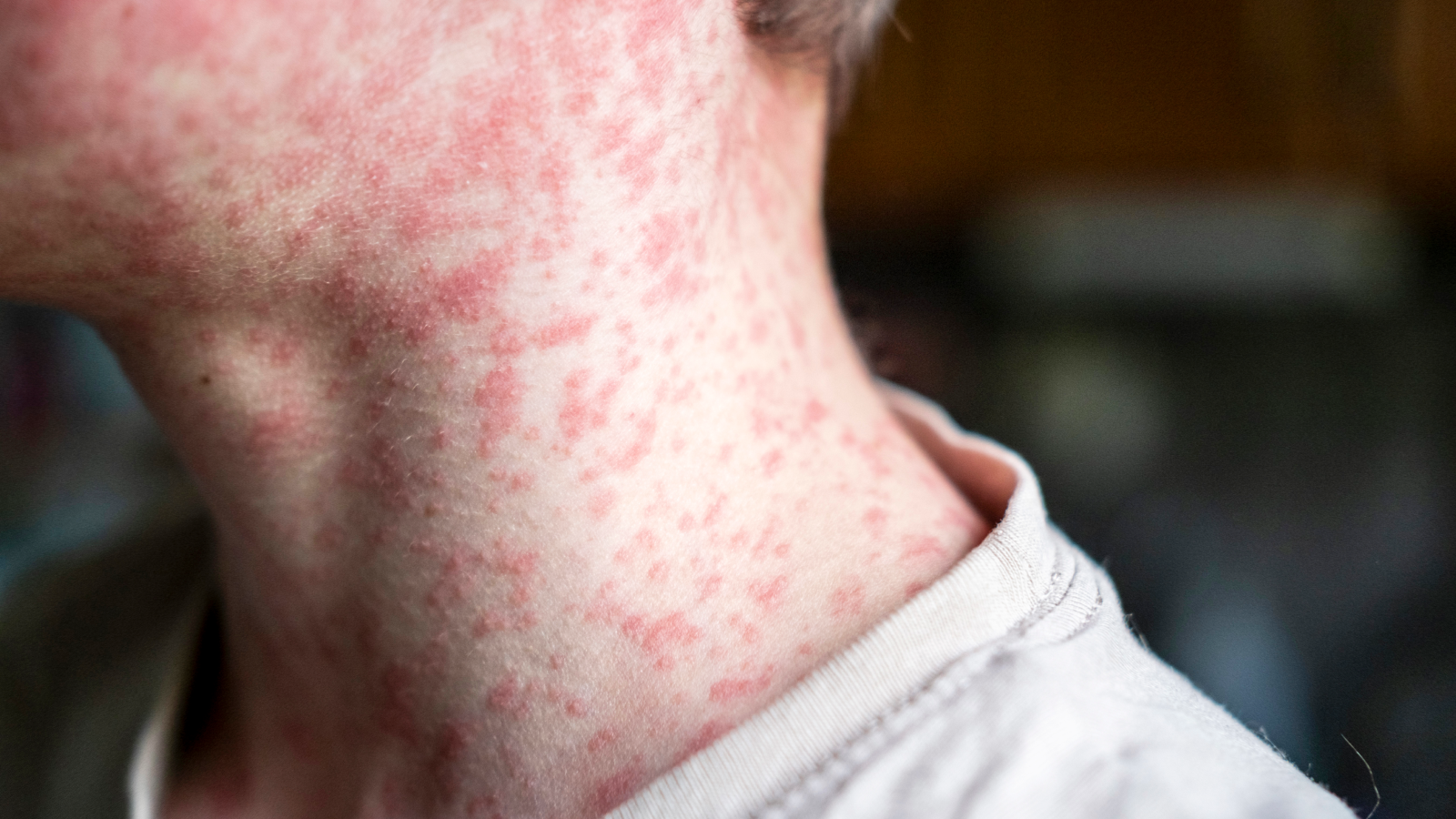
Measles eradication is an important public health goal. Characterized by high fever and a dramatic red rash, the disease is devastating at baseline, but can also lead to deadly complications such as pneumonia and swelling of the brain. According to the Centers for Disease Control and Prevention (CDC), 1 to 3 out of every 1,000 children infected with measles will die during the acute phase of the infection.
Measles can have long-term health consequences for survivors, including immune “amnesia” that makes them more susceptible to other diseases. And about 7 to 11 survivors per 100,000 people face a fatal long-term complication called subacute sclerosing panencephalitis, a degenerative neurological disease that occurs years after measles infection.
According to the American Academy of Pediatrics, two doses of the measles, mumps, rubella (MMR) vaccine reduce the chance of contracting measles by 97%. However, measles is one of the most contagious infectious diseases in the world, so high levels of vaccination are required to eliminate it. In non-immune populations, one person with measles can infect 12 to 18 other people. This number needs to drop below 1 to eradicate the outbreak. That means about 95% of the population needs to be protected by vaccination or immunity from previous infection, Hijano told Live Science.
Nationwide, 92.5% of kindergartners are up to date with the MMR vaccine, according to CDC data for the 2024-2025 school year. This number is even lower in some regions and communities, such as predominantly Mennonite communities in West Texas. Amy Winter, a demographer and infectious disease epidemiologist at the University of Georgia, said these clusters of low vaccination rates not only represent people who are personally at risk of contracting measles, but also pose a challenge for public health responders trying to contain the outbreak.

“It’s much more difficult in terms of officers going out and investigating incidents,” Winter told LiveScience. Because so many people in these communities are susceptible, it may be difficult for public health officials to catalog contacts of infected individuals and encourage isolation and post-exposure vaccinations that can prevent or reduce the severity of measles infection.
“The failure to stop the chain of transmission within 12 months really suggests that we will not be able to control this pathogen,” Winter said.
you may like
According to CDC data through Nov. 12, there will be 45 measles outbreaks in the United States in 2025, with 1,723 confirmed cases. To determine whether any of these outbreaks are related and indicate ongoing transmission, public health officials are investigating each case, looking for times and places where infected people may have overlapped with others.
They are also conducting genetic testing to determine if the measles strains behind the cases are related or if the infection came from another infection. Most travel-related cases occur when susceptible U.S. residents travel abroad to areas where measles is endemic, Winter said.
The New York Times reported that public health officials said in a conference call with federal and state officials this week that the outbreak in West Texas is related to ongoing outbreaks in Utah and Arizona. If these findings are true, the United States will lose its status in January unless the outbreaks in Arizona and Utah end without further infections.
Of the confirmed cases in the United States so far this year, 92% have occurred in unvaccinated people, and an additional 4% have occurred in people who have only received the first MMR shot. The recommended MMR dosing schedule is to receive the first dose at 1 year of age and the second dose between 4 and 6 years of age. To get measles under control again, the U.S. needs to get national vaccination rates back above 95%, Hijano said.
“Unless vaccination rates are very high, measles cases will always come in from other countries and other regions and find places of transmission,” he said.
This article is for informational purposes only and does not provide medical advice.