


simple facts
Milestone: Fossil “Lucy” discovered
When: November 24, 1974
Location: Hadar, Ethiopia
People: Anthropologists Donald Johansson and Tom Gray
More than 50 years ago, two anthropologists were digging in Hadar, Ethiopia, when they discovered something glowing in a trench. What they discover will change the story of human evolution.
Later that night, the team excitedly discussed their discovery as the Beatles song “Lucy in the Sky with Diamonds” played in the background. Team member Pamela Alderman suggested naming the fossil “Lucy.”
you may like
“And it just became iconic,” Johansson told Live Science in 2024. “It’s a nickname that everyone knew.”
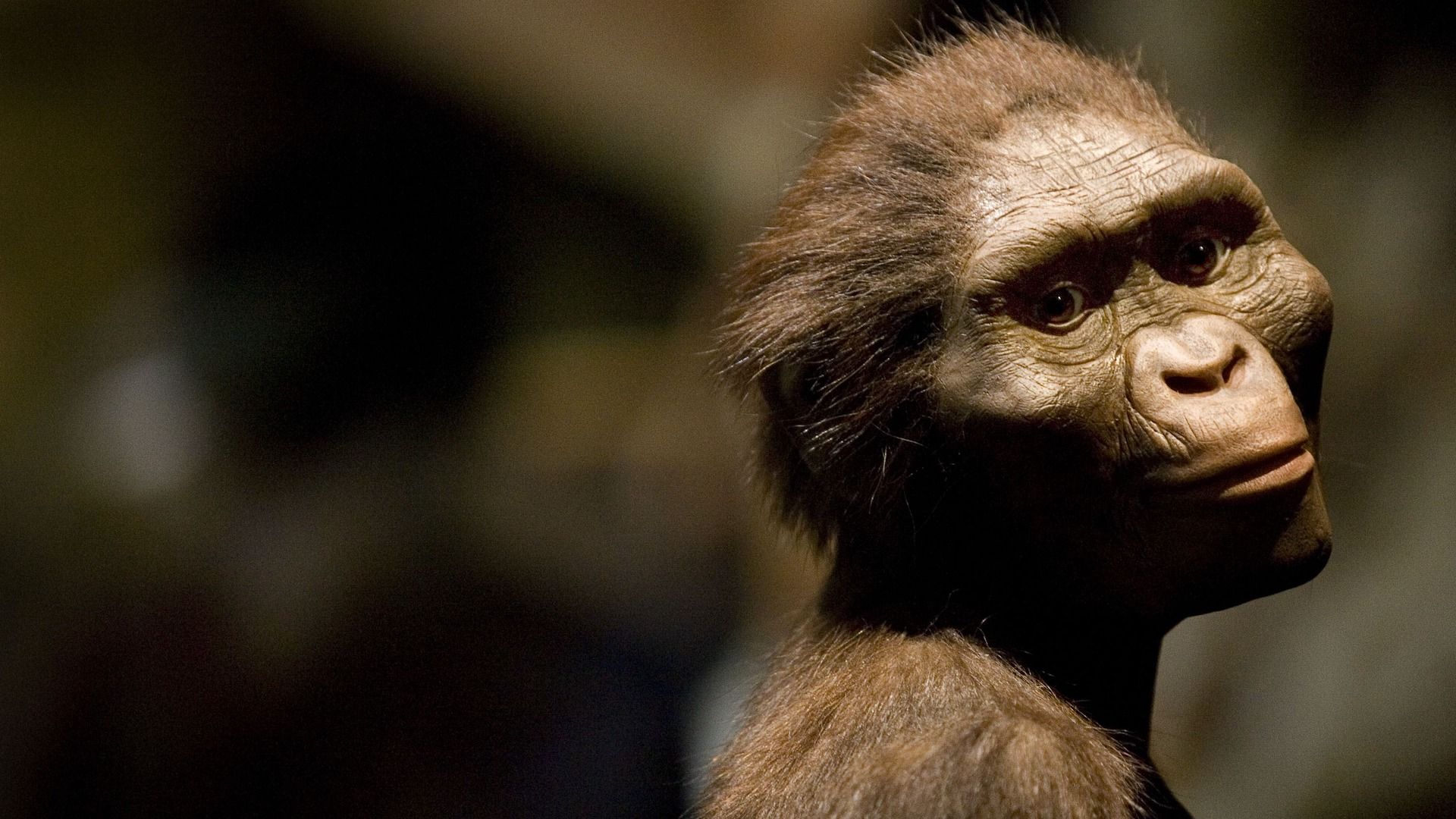
Over the next few weeks, the researchers dug up parts of the skull, ribcage, pelvis and limb bones of our 3.2-million-year-old human ancestor. At the time, it was the oldest and most complete skeleton of a human ancestor ever discovered. It became known as Australopithecus afarensis and would forever change our knowledge of human evolution.
“Lucy” was so perfect that it seemed as if she was staring at you from a long time ago. We’ve learned a lot about her life over the years. That she had huge leg muscles for walking and climbing trees. She would have been a bad runner because her calf tendons and muscles were shaped differently. And it is highly likely that she used tools.
“Lucy” also settled a controversy that had been swirling in the field. Lucy lived at the “midpoint” of human evolution, approximately equidistant in time from both great apes and modern Homo sapiens. At the time, many anthropologists believed that large brains evolved before walking upright. However, the diminutive, small-headed “Lucy” was clearly adapted to bipedalism. Most anthropologists now believe that A. afarensis represents the direct ancestor of humans.

Lucy’s discovery set the stage for the identification of even older hominins, including the famous Ardipithecus ramidus fossil, known as “Ardi.”
John Kappelman, a paleoanthropologist at the University of Texas at Austin, previously told Live Science that “Lucy’s discovery really hits the start button for investigating ancient deposits in Africa.”
Over the years, scientists have unearthed more than 500 A. afarensis fossils from archaeological sites in Tanzania, Kenya, and Ethiopia, spanning a million years of evolutionary history. And we learn a lot about how Lucy herself lived and died, and even get to reenact her last day on earth.
We also discovered that Lucy’s species lived in a world full of other human ancestors and relatives. So far, anthropologists have identified several Australopithecine species and other related genera.
Thanks to fossils like Lucy and her relatives, anthropologists are now beginning to realize that the history of human evolution resembles a woven stream more than a family tree.