
Zillow lowers climate risk score after distributors complain of decreased sales
Sorry to all those planning to buy a home. Just over a year after adding climate risk scores, Zillow removed the scores from more than 1 million listings after real estate agents complained that the information was causing a decline in sales.
Zillow first added data to its site in September 2024, saying more than 80% of buyers consider climate risks when purchasing a new home.
But last month, Zillow removed climate scores from its listings after an objection from the California Regional Multiple Listing Service (CRMLS). Instead, there is a subtle link to records from First Street, a climate risk analysis startup that provides the data.
“If buyers don’t have access to clear climate risk information, they are flying blind and making the biggest financial decisions of their lives,” First Street spokesperson Matthew Eby told TechCrunch in an email. “Risk doesn’t go away; it just moves from pre-purchase decisions to post-purchase responsibilities.”
The First Street Climate Risk Score first appeared on Realtor.com in 2020 and remains in place today. They still appear on Redfin and Homes.com as well.
The New York-based startup has raised more than $50 million from investors including General Catalyst, Congruent Ventures, and Galvanize Climate Solutions, according to PitchBook.
“Displaying the probability that a particular home will flood this year or within the next five years can have a significant impact on the perception of that home’s desirability,” CRMLS CEO Art Carter told the New York Times. He also questioned the accuracy of First Street’s data, saying areas that haven’t flooded in the past 40 to 50 years are unlikely to flood in the next five years.
tech crunch event
san francisco
|
October 13-15, 2026
This isn’t the first time real estate agents have complained about climate risk scores. When Zillow introduced the feature last year, one agent in Massachusetts told the Boston Globe that the risk score “puts thoughts in people’s minds about my listing that they wouldn’t normally think about.”
First Street defended the data. “Our models are built on transparent, peer-reviewed science and continually validated against real-world outcomes,” Eby said.
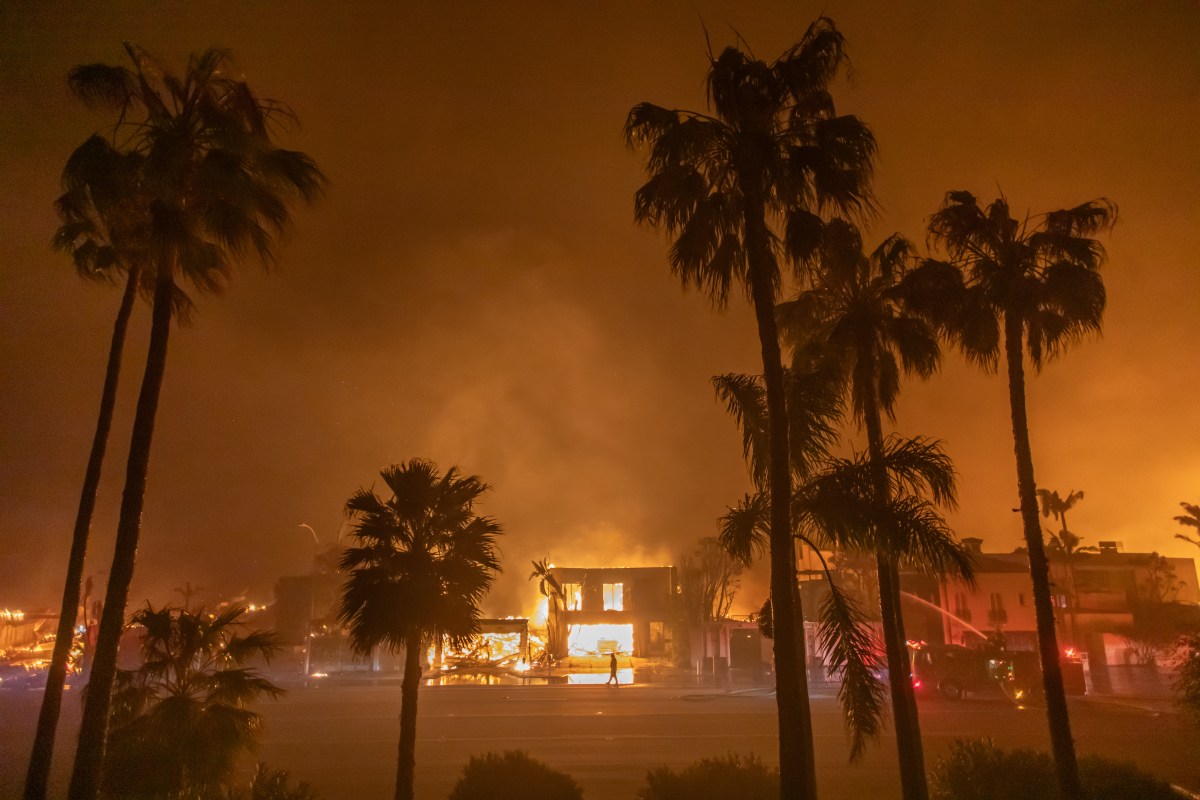
“During the Los Angeles wildfires, in the CRMLS coverage area, our maps identified more than 90% of homes that ended up on fire as being at severe or extreme risk (our highest risk rating) and 100% as at some risk, significantly exceeding CalFire’s official state hazard maps,” he added.
Official hazard maps have been criticized in recent years for being outdated or underestimating property risk levels. According to a Louisiana State University analysis, properties with a 1% annual risk of flooding (the so-called 100-year flood) are listed on the Federal Emergency Management Agency’s flood maps, which are used to designate properties that are required to carry flood insurance.
The real estate and insurance industries are scrambling to adapt to worsening weather conditions due to climate change.
“If a building burns down or goes underwater, it doesn’t have much value,” Peter Gaidosh, a partner at proptech venture capital firm Fifth Wall, wrote on TechCrunch four years ago. “We are talking to major insurance companies about these issues and we are seeing an unprecedented level of interest.”
Investors, insurance companies and cities may continue to use data from companies like First Street to determine where climate risks lie. By providing homebuyers with access to the same data, Zillow helped level the playing field. But thanks to opposition from real estate agents, consumers now have one more hoop to jump through.
Source link

