


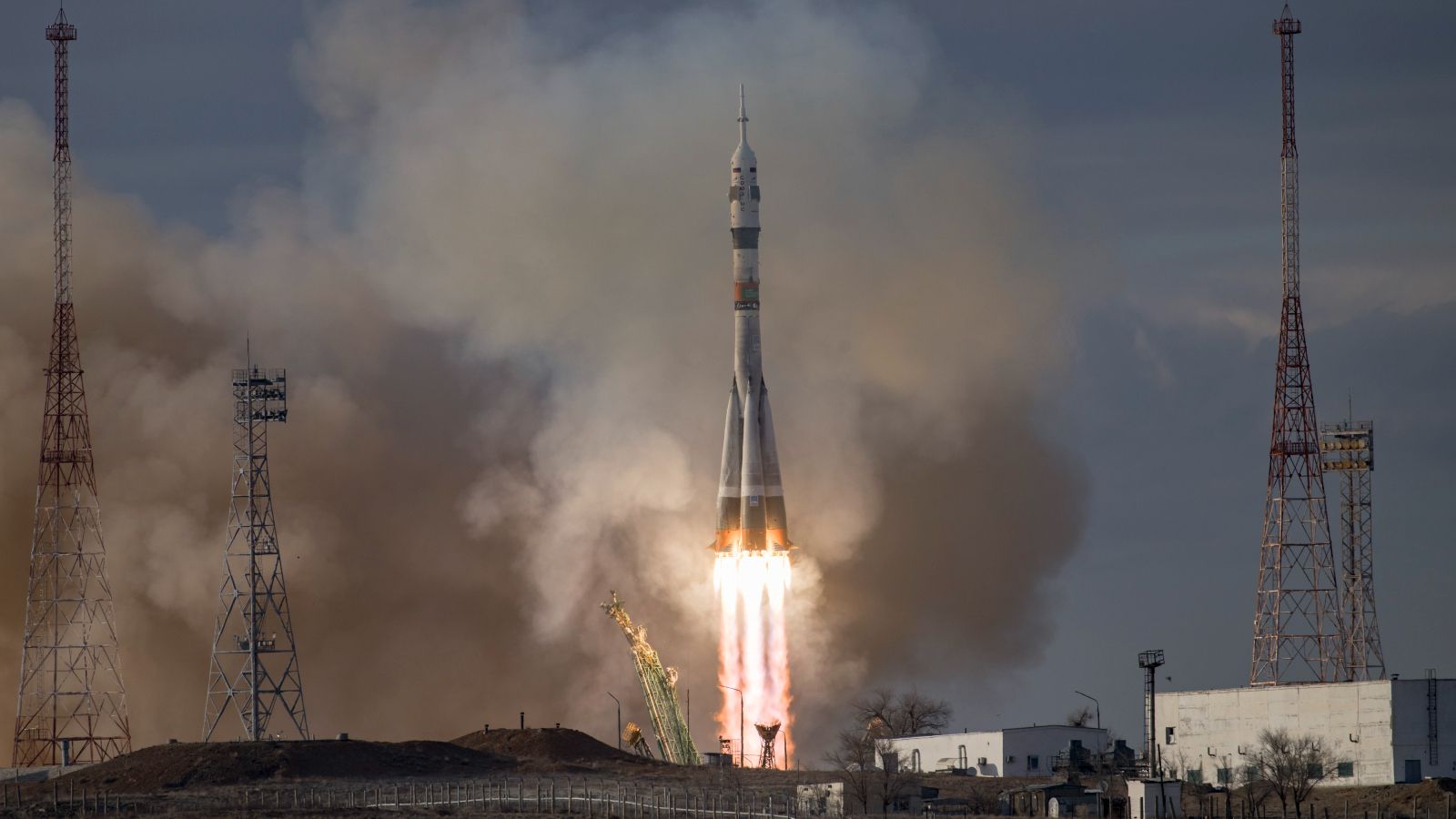
Russia’s only operating launch pad has been temporarily disabled after sustaining severe damage during its recent launch of three astronauts to the International Space Station (ISS). Experts say this leaves the country unable to send humans into space for the first time in more than 60 years.
On Thanksgiving Day (November 27), the Soyuz MS-28 spacecraft launched from Site 31/6 of the Baikonur Cosmodrome in Kazakhstan at approximately 2:30 pm local time (4:30 am ET). The rocket carried Russian cosmonauts Sergei Kudo Sverchkov and Sergei Mikayev, along with NASA astronaut Chris Williams, and they all arrived safely at the ISS and will remain there for the next eight months, Live Science’s sister site Space.com reported.
you may like
Russian authorities did not say which part of the launch pad was hit or how it was damaged, only saying that the damage was “currently being assessed” and “will be repaired soon.”
However, Ars Technica reported that an anonymous witness noticed that during the liftoff, the approximately 22-ton (20 metric ton) service platform used to access the rocket’s engines fell into the “flame trench,” the lower part of the launch pad where the rocket’s fiery plume spewed out. (If confirmed, this probably means the platform was not properly secured in place before launch.)
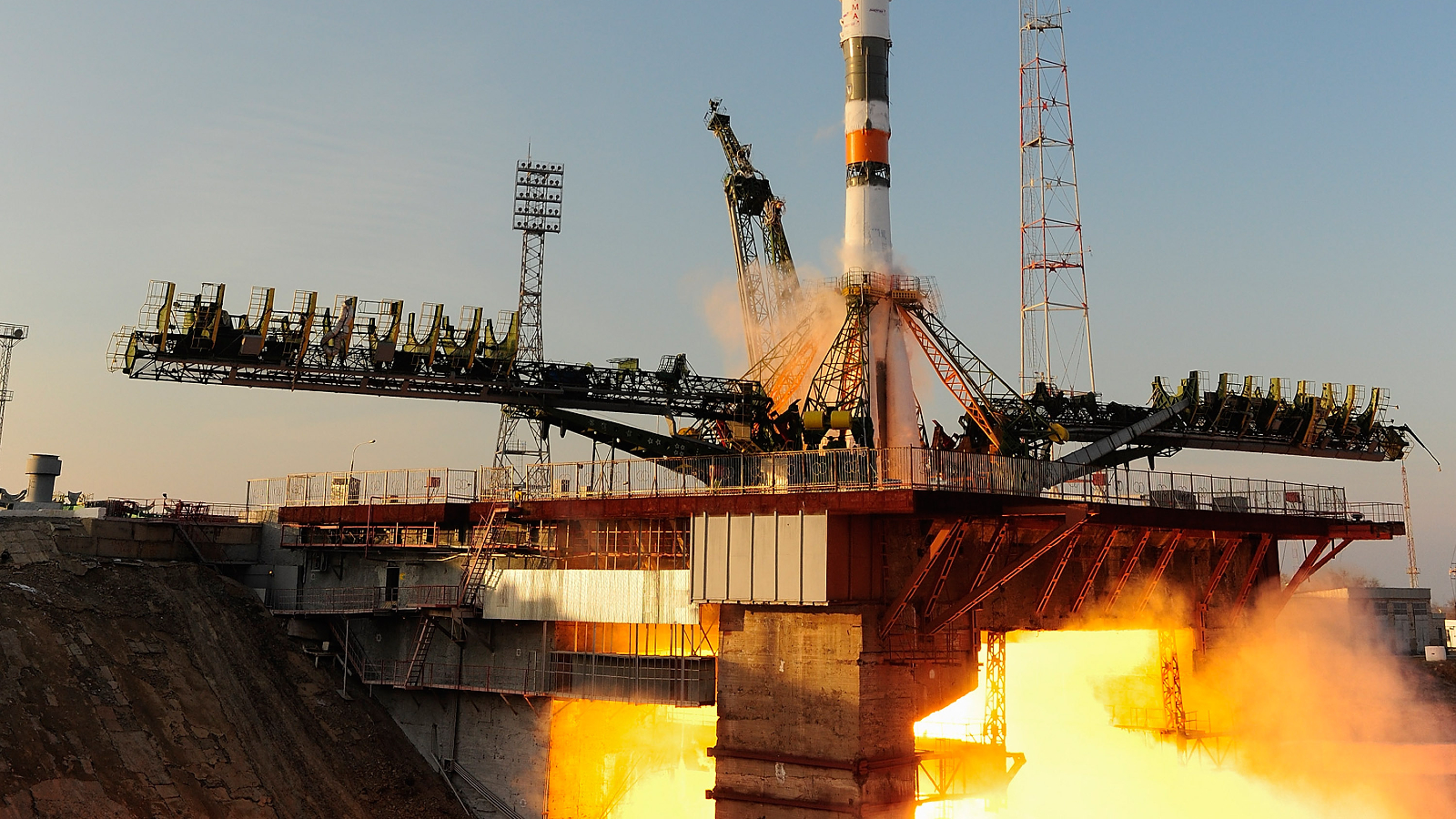
It is unclear how long it will take to repair Site 31/6 or whether another decommissioned pad can be renovated in its place. But until this happens, Russia has no way to launch astronauts.
“Virtually from this day on, Russia has lost the ability to launch humans into space. This has not happened since 1961,” Russian space journalist Vitaly Egorov wrote on Telegram, CNN reported. “Now we will need to quickly repair this launch pad or modernize another launch pad.”
Baikonur Cosmodrome was built in the late 1950s, when Russia was part of the Soviet Union and engaged in a space race with the United States that ultimately ended with the Apollo moon landings. Since the collapse of the Soviet Union in 1991, the site has been leased back to Russia by Kazakhstan for about $115 million a year.
Russia also has two other operating space bases within its borders: Vostochny and Plesetsk. However, neither base is currently capable of launching manned Soyuz rockets.
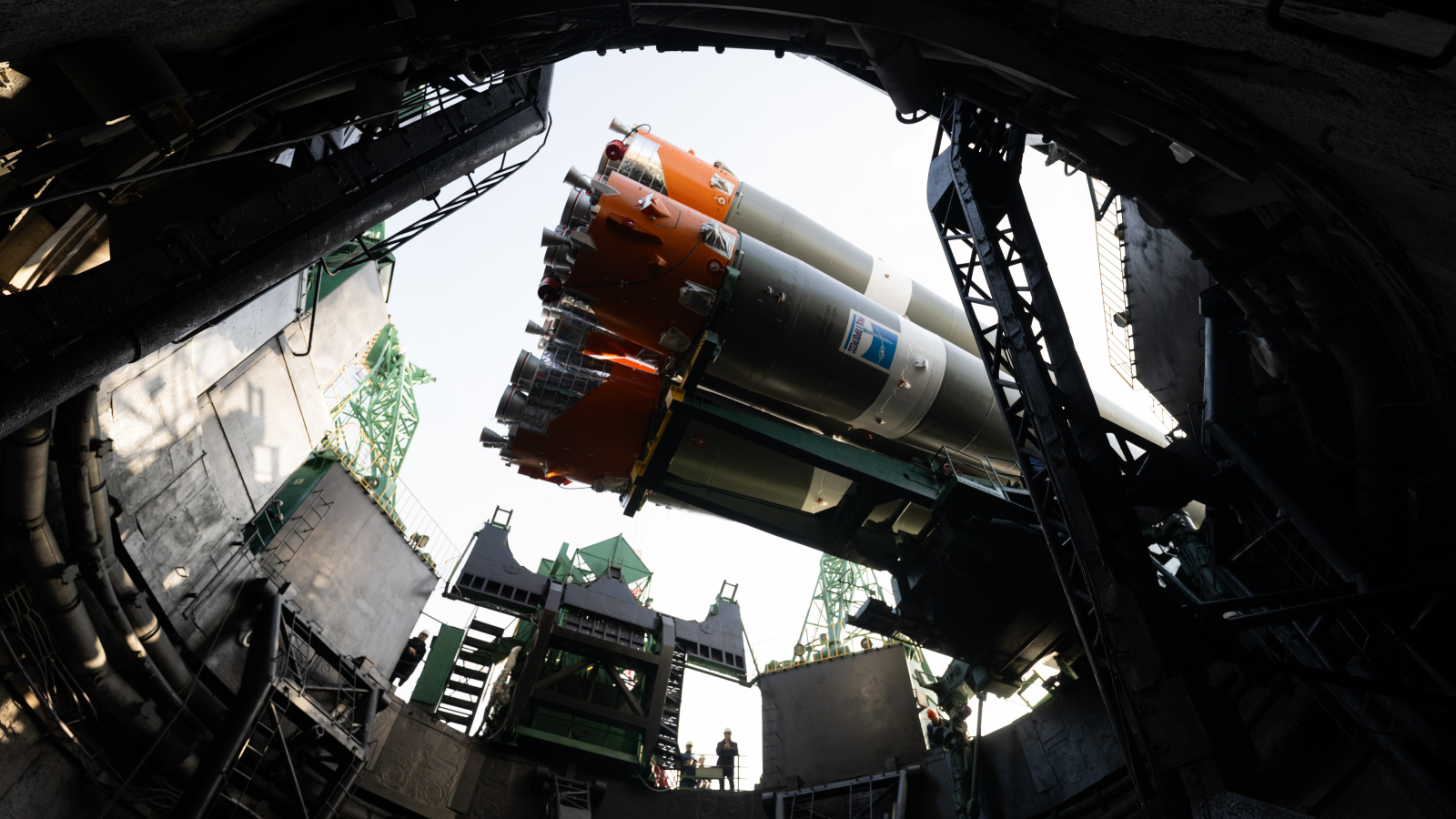
Site 31/6 has been used for more than 400 successful rocket launches, but became the last operational launch pad at Baikonur in 2020 when Roscosmos retired its only other active launch pad, Site 1/5 (also known as Gagarin’s Start). According to Space.com, the decommissioned pad was used to launch Yuri Gagarin, the first man to fly into space, in 1961, and part of it can now be used to repair Site 31/6.
you may like
Russia launches astronauts to the ISS every six months, less frequently than in the past. That’s partly due to the advent of SpaceX’s reusable Falcon 9 rocket, but also because Russia is scaling back its involvement in the ISS project, which is scheduled to end by 2030.
The next manned ISS mission is scheduled to take off from Site 31/6 in July 2026, while the unmanned resupply mission is scheduled to begin less than three weeks later, on December 20, Space News said.
Jeff Manber, a space policy expert who heads the space station division at private aerospace company Voyager Technologies, told Ars Technica whether Russia prepares for these launches “is a real test of Russia’s resilience.” “We’re going to learn how important the ISS is to the leadership there.”
Russia currently plans to launch missions from Site 31/6 to support the construction of a new Russian orbital service station, scheduled to begin construction in 2027, Egorov wrote.
Once the ISS is decommissioned, Russian astronauts are also expected to be sent to China’s Tiangong space station (it is unclear which country these astronauts will launch from), as the two countries strengthen ties to achieve the common goal of building a base on the moon by 2035.
China has also experienced major failures with its own spacecraft in recent weeks. In early November, an accident believed to be caused by space debris collided with the return capsule attached to Tiangong, leaving three astronauts stranded in space. The three astronauts then returned to Earth in another capsule, leaving three more astronauts temporarily stranded until an unmanned “lifeboat” was launched on November 24.