

Close Menu
  • Home
  • Identity
  • Inventions
  • Future
  • Science
  • Startups
  • Spanish
What's Hot

The Legal Revolution is Digital: Meet TwinH, Your AI Partner in the Courtroom of the Future

Reddit says it’s considering further acquisitions in ad tech and other areas

A senator who has repeatedly warned about secret surveillance by the U.S. government issues a new alarm over “CIA activities”

Facebook X (Twitter) Instagram
  • Home
  • About Us
  • Advertise with Us
  • Contact Us
  • DMCA
  • Privacy Policy
  • Terms & Conditions
  • User-Submitted Posts
Facebook X (Twitter) Instagram
Fyself News
  • Home
  • Identity
  • Inventions
  • Future
  • Science
  • Startups
  • Spanish
Fyself News
Home » 2,000-year-old shipwreck may be Egypt’s ‘pleasure barge’ of the last dynasty of pharaohs
Science

2,000-year-old shipwreck may be Egypt’s ‘pleasure barge’ of the last dynasty of pharaohs

userBy userDecember 13, 2025No Comments4 Mins Read
Share Facebook Twitter Pinterest Telegram LinkedIn Tumblr Email Copy Link
Follow Us
Google News Flipboard
Share
Facebook Twitter LinkedIn Pinterest Email Copy Link

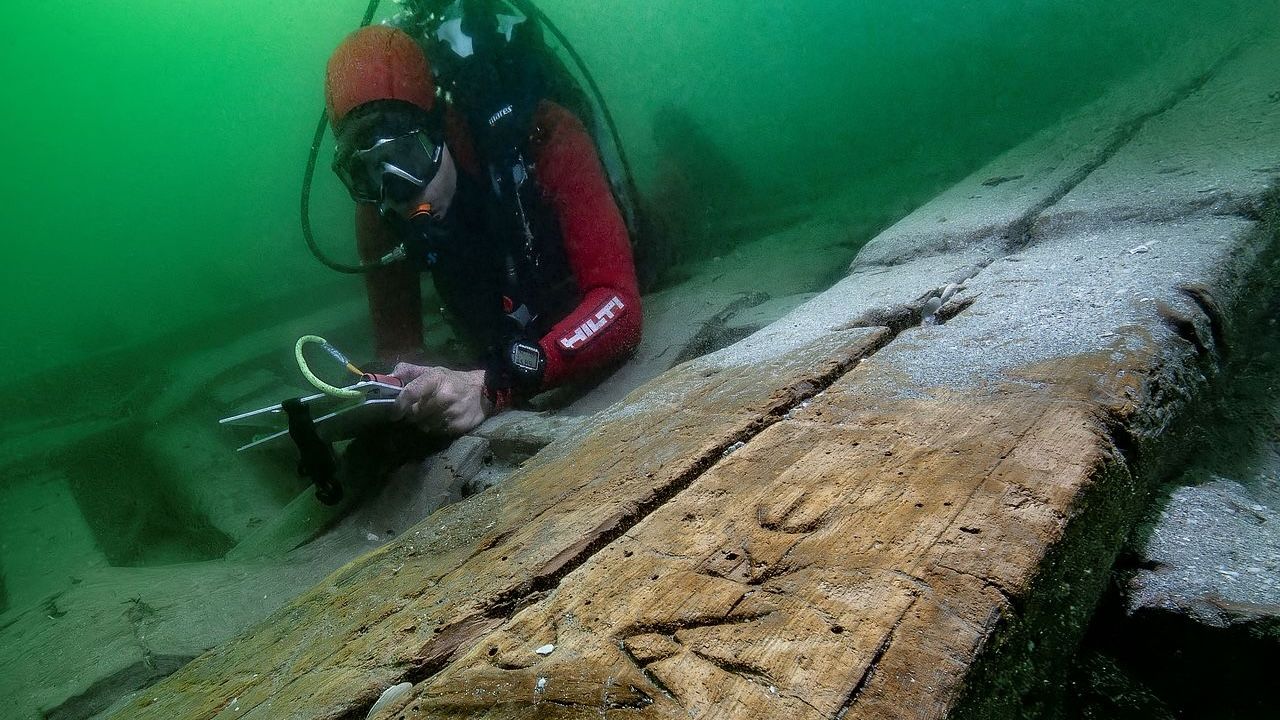
Underwater archaeologists have discovered the remains of a 2,000-year-old ship that may have been the luxury “tour boat” of the ancient elite while diving off the coast of Egypt.

The researchers discovered the barge in the ancient port of Alexandria, the capital of Egypt during the Ptolemaic period (304-30 BC) and later a major city during the Roman Empire’s domination of the region.

The wreck consists of several well-preserved pieces of wood, approximately 90 feet (28 meters) long, taken from a barge approximately 115 feet (35 meters) long and 22 feet (7 meters) wide, French underwater archaeologist Franck Goddiot said in a statement. He believes it was “thalamagos” (also spelled “thalamegos”), a Greek word meaning literally “cabin carrier,” which was used to describe the floating palaces of Ptolemaic Egypt.

you may like

Goddio said his team discovered the ship’s remains in October during underwater excavations of the now-sunken ruins of the Temple of Isis. This temple was once located on the island of Antillodos, now underwater, in the “Portus Magnus”, or great port, used by Alexandria during the Ptolemaic period. The temple there was probably destroyed by an earthquake around 50 AD, and the island sank beneath the waves between the 4th and 8th centuries.

Goddio believes the pleasure barge would have had a richly decorated central cabin and would have been propelled by oars. The remains of such ships have been described by ancient writers and depicted in Egyptian art, but have never been discovered.
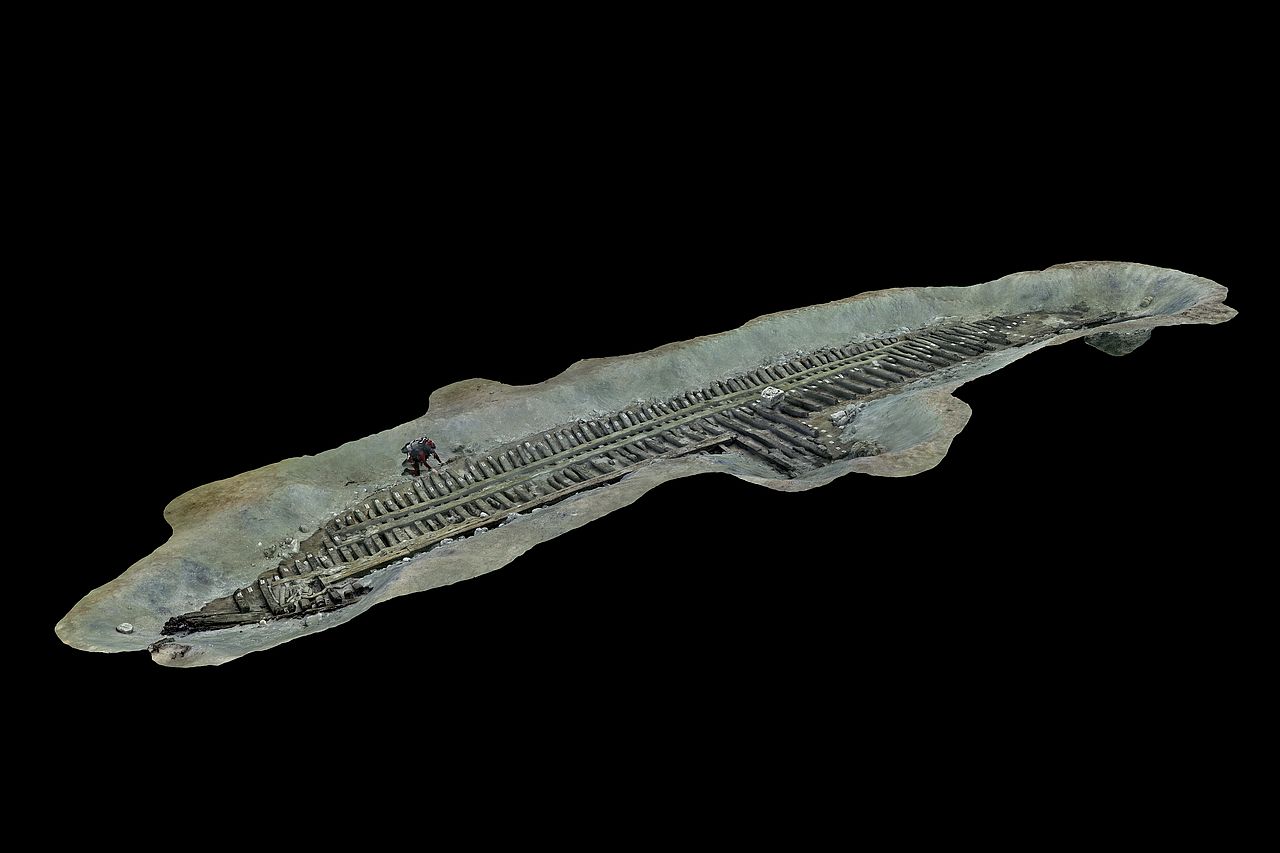
Gray 3D model of an underwater shipwreck

Researchers created a 3D model of the shipwreck from precise digital photographs. (Image credit: Christoph Gerigk ©Franck Goddio/Hilti Foundation)

Among the lotuses

Huge pleasure ships were popular during Egypt’s Ptolemaic period and were described by the 1st century BC Greek geographer Strabo as transporting wealthy people to their favorite places. [Egyptian lotuses that grow in fresh water] and the shade of the leaves. ”

In Strabo’s time, Alexandria was under direct Roman control. The ancient regime change began with the Battle of Actium in 31 BC, when the navy commanded by Roman leader Octavian (later Augustus) defeated the navy of Cleopatra VII (the last ruler of the Ptolemaic dynasty) and her lover, the Roman rebel Mark Antony.

Get the world’s most fascinating discoveries delivered straight to your inbox.

It is unclear exactly how the newly discovered ship ended up on the island of Antillodos.

“This interesting shipwreck may have been used along the Alexandria canal, as Mr. Strabo said,” Goddio said in a statement. However, it was discovered near the underwater ruins of the Temple of Isis on Antillodos and may have been involved in the destruction there.
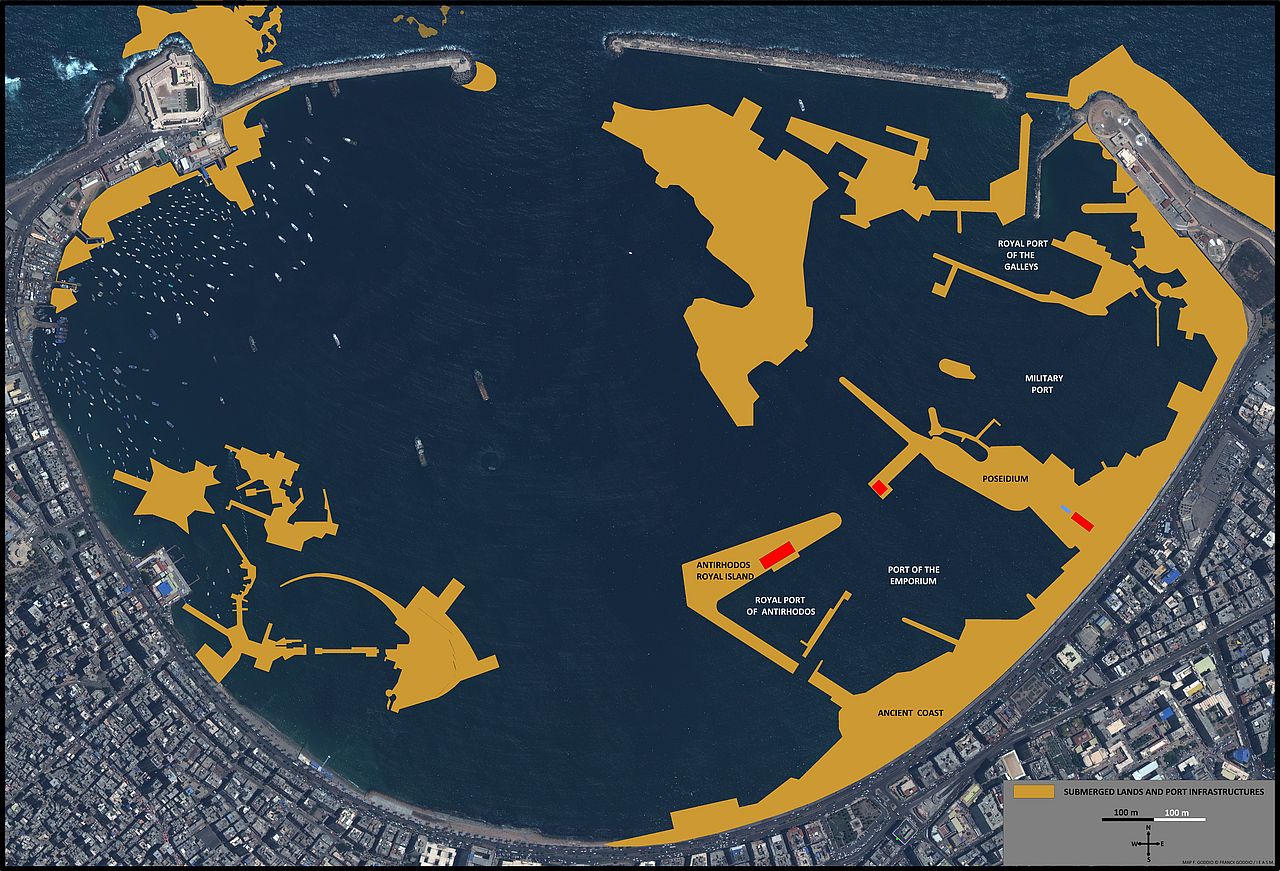
A digital map showing the locations of ancient structures in the port of Alexandria.

Map of Alexandria’s Great Harbor showing areas excavated by researchers (in red). Antillodos was located southwest of the center of the harbour. The port sank, along with many other parts of the ancient port, between the 4th and 8th centuries. (Image credit: Franck Goddio ©IEASM)

As a result, the researchers proposed a “ceremonial use of this barge,” Goddio said. This may have been part of the naval ceremony known as Navigatio Iside, in which a procession celebrating Isis in Roman Alexandria carried a richly decorated boat called a nabigium and paraded through the streets. The model boat represented the solar sailboat used by the Egyptian gods to navigate the heavens. (Isis was the goddess of the sea.)

you may like

That could mean that “the ship was making the annual ritual voyage of the goddess from Portus Magnus in Alexandria to the sanctuary of Osiris at Canopus, along the Nile’s Canopic Strait,” Goddio said.

early roman egypt

The study of the shipwreck is at a very early stage, but “it will be a fascinating journey through life, religion, luxury and pleasure on the waterways of early Roman Egypt,” Goddio said.

The ship is “an amazing find,” said Timmy Gambin, a marine archaeologist at the University of Malta who also studies ancient ships and wartime wrecks. But Gambin, who was not involved in the discovery, said science has yet to determine whether the vessel is actually a thalamic animal.

“It’s still too early to determine exactly what this ship was used for,” he told LiveScience in an email.


Source link

#Biotechnology #ClimateScience #Health #Science #ScientificAdvances #ScientificResearch
Follow on Google News Follow on Flipboard
Share. Facebook Twitter Pinterest LinkedIn Tumblr Email Copy Link
Previous ArticleCISA adds actively exploited flaw in Sierra wireless routers that enables RCE attacks
Next Article AI data center boom could be bad news for other infrastructure projects
user
  • Website

Related Posts

7,500-year-old deer headdress discovered in Germany shows hunter-gatherers shared sacred objects and ideas with the region’s first farmers

February 5, 2026

How well can AI and humans work together? Scientists are looking to Dungeons & Dragons to find out.

February 5, 2026

Saltwater crocodiles crossed the Indian Ocean to the Seychelles before humans arrived and made them extinct.

February 5, 2026
Add A Comment
Leave A Reply Cancel Reply

Latest Posts

The Legal Revolution is Digital: Meet TwinH, Your AI Partner in the Courtroom of the Future

Reddit says it’s considering further acquisitions in ad tech and other areas

A senator who has repeatedly warned about secret surveillance by the U.S. government issues a new alarm over “CIA activities”

Kindle Scribe Colorsoft is an expensive but beautiful e-ink color tablet with AI features

Trending Posts

Subscribe to News

Subscribe to our newsletter and never miss our latest news

Please enable JavaScript in your browser to complete this form.
Loading

Welcome to Fyself News, your go-to platform for the latest in tech, startups, inventions, sustainability, and fintech! We are a passionate team of enthusiasts committed to bringing you timely, insightful, and accurate information on the most pressing developments across these industries. Whether you’re an entrepreneur, investor, or just someone curious about the future of technology and innovation, Fyself News has something for you.

Castilla-La Mancha Ignites Innovation: fiveclmsummit Redefines Tech Future

Local Power, Health Innovation: Alcolea de Calatrava Boosts FiveCLM PoC with Community Engagement

The Future of Digital Twins in Healthcare: From Virtual Replicas to Personalized Medical Models

Human Digital Twins: The Next Tech Frontier Set to Transform Healthcare and Beyond

Facebook X (Twitter) Instagram Pinterest YouTube
  • Home
  • About Us
  • Advertise with Us
  • Contact Us
  • DMCA
  • Privacy Policy
  • Terms & Conditions
  • User-Submitted Posts
© 2026 news.fyself. Designed by by fyself.

Type above and press Enter to search. Press Esc to cancel.