


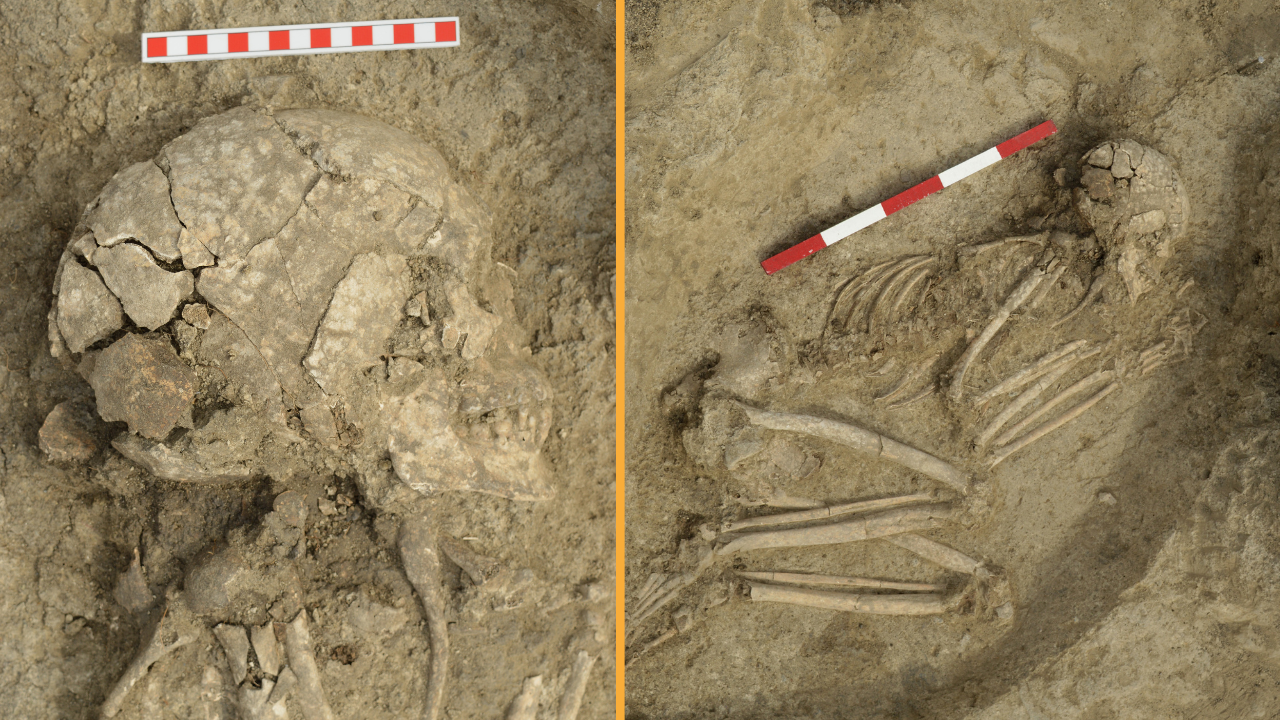
A teenage boy who survived a brutal lion attack in what is now Bulgaria some 6,200 years ago had a deep hole in his skull, suggesting his brain was severely damaged, new research has found.
The 16- to 18-year-old boy may have been hunting when he encountered the lion (Panthera leo), according to a study published Nov. 30 in the Journal of Archaeological Science: Reports. Lions roamed what is now Eastern Europe during the Copper Age (4500 BC to 3500 BC), and lion bone cuts found in prehistoric settlements on the Black Sea coast suggest that humans occasionally ate them.
you may like
“The skull shows a specific pattern of puncture and compression damage that is inconsistent with human-made weapons or post-mortem damage,” study lead author Nadezhda Karastyanova, an archaeozoologist at the National Museum of Natural History of the Bulgarian Academy of Sciences (NMNH-BAS), told Live Science via email. “The size, shape, depth, and spacing of the defects are consistent with trauma caused by the bite of a very large carnivore.”
To find out which carnivore was responsible for the attack, researchers examined a variety of skulls in the NMNH-BAS collection, including those of lions and bears. They used a special molding process to compare various tooth marks to those found in this teenager’s skull. The researchers also looked at the distribution of large carnivores during the Copper Age and found that the most likely culprit was the lion.
Evidence of lions attacking humans in prehistoric times is extremely rare, but what makes this case even more exceptional is that the boy survived the initial trauma, Karastyanova said. There were obvious signs of healing on the young man’s skull, suggesting he received medical treatment after the attack. However, the boy likely died from his wounds, as the healing stage was only a few months old.
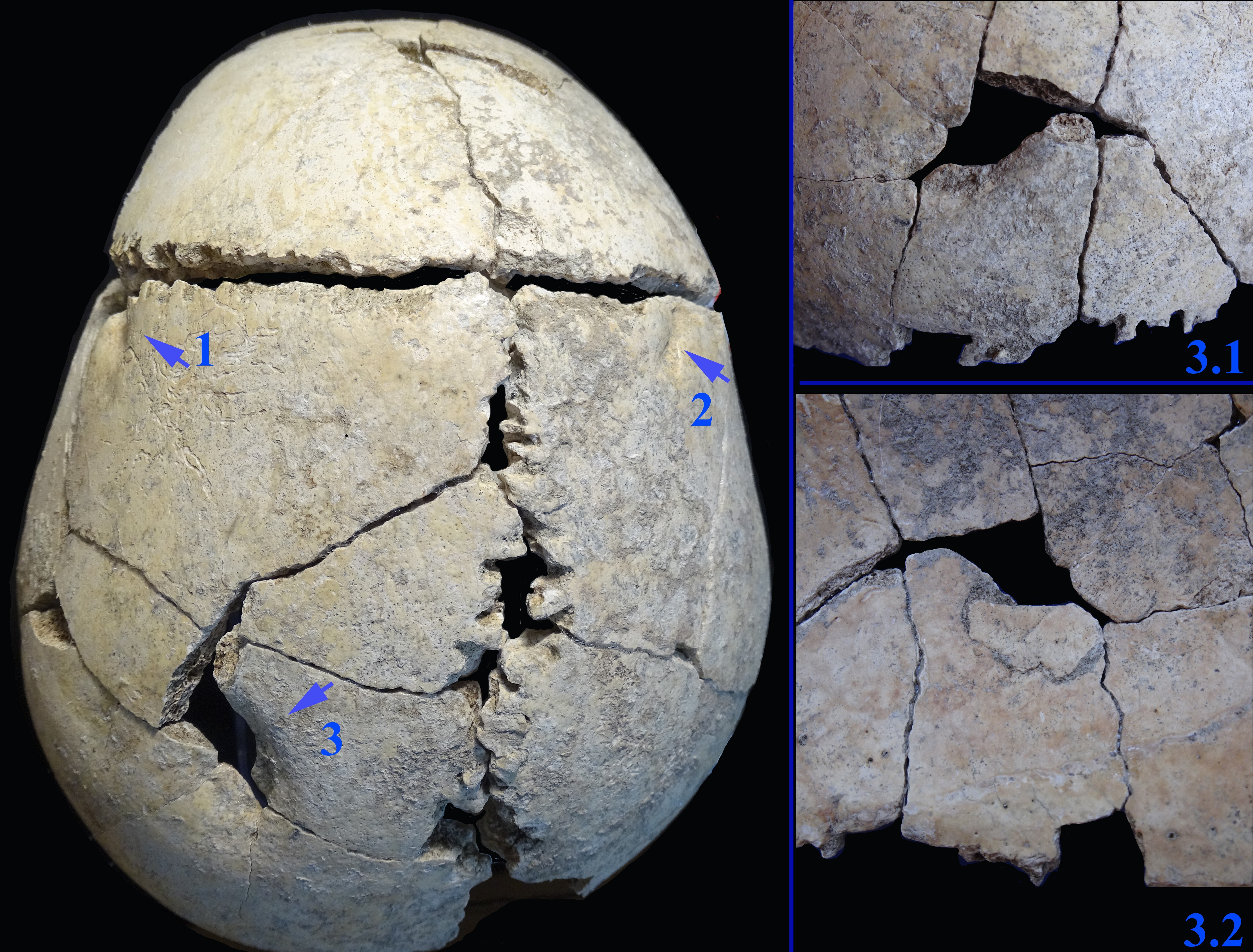
One wound in particular may have damaged the boy’s meninges (the membranes that line the inside of his skull), making the integrity of his brain “questionable,” the study said.
Karastyanova said the boy also had deep wounds on his leg and left arm, which may have damaged muscle or tendon attachments. “Although this person was severely disabled as a result of these injuries, he had survived for a significant period of time and was likely receiving care and assistance from others in the community,” she said.
The boy was buried near a prehistoric settlement called Kozareva Mogila, or “Goat Mound”, in eastern Bulgaria. Discoveries so far have shown that the residents of Kozareba Mogila performed surgeries on the skulls of living and dead people in an attempt to treat diseases. This suggests that they had some medical knowledge that may have helped the teenagers survive after the attack.
However, research suggests the boy likely suffered deep scars on his head, arms and legs, significantly altering his appearance. He probably needed support with daily activities, was unable to do physical labor such as farming, and his neurological function may have been severely impaired.
Archaeologists found the boy buried in a squatting position with his hands in front of his face. According to measurements, his height was approximately 5 feet 9 inches (175 centimeters). No grave goods were found next to his skeleton, and his burial was deep compared to other burials at Kozareba Mogila, suggesting that he had a low social status and was feared by the community after the attack.
“His personal life experiences, potentially intimidating behavior and appearance may have made him an exceptionally dangerous fatality.” [person]deeper deposition is required,” the researchers wrote in the study.