
FIDRA certifies plastic and PFAS-free food packaging brand DeliPak
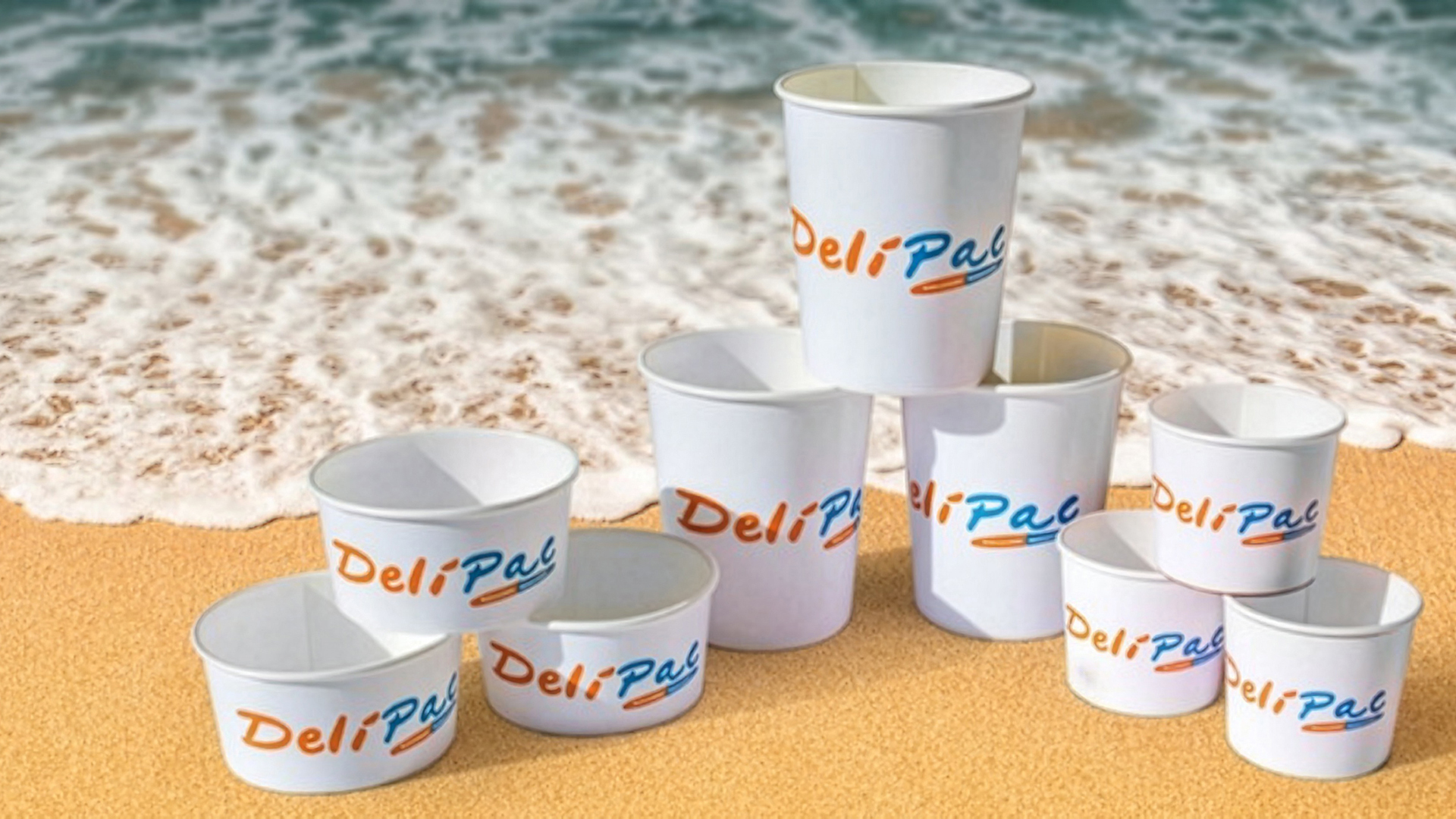
Delipack develops plastic-free and PFAS-free Smart-Safe© packaging solutions that address environmental concerns, with support from retailers and policy makers.
Delipack, an international food packaging paperboard manufacturer, is building its brand on the Smart-Safe© sustainability concept. The company offers an impressive array of environmentally award-winning packaging solutions, including plastic-free and PFAS-free barriers that are recyclable, compostable, and carbon-balanced.
Perfluorinated or polyfluorinated alkyl substances (PFAS) are a group of more than 10,000 industrial chemicals widely used in everything from carpets to cosmetics to cookware to food packaging and widely associated with major human health and environmental concerns.
Deep-rooted problems with PFAS
The combination of carbon and fluorine that characterizes this chemical group provides both water and oil repellency, properties that are highly sought after in food packaging. But this carbon-fluorine bond is also one of the strongest known in nature, meaning these chemicals are extremely difficult to break down or destroy. Some forms of PFAS are known to persist in soil for thousands of years. PFAS accumulate in our bodies and in the bodies of wild animals, pass through the placenta to the fetus, and circulate around the earth in both air and water. Recognized as endocrine disruptors (meaning they interfere with the body’s hormonal systems), many of these chemicals have been linked to fertility and reproductive problems in humans, reduced immune responses to vaccinations, and even neurological changes in polar bears. This is not a problem that can be postponed until tomorrow, as new evidence of their harmful effects is revealed every day and concentrations continue to increase in the environment.
Widely used in food packaging
PFAS are typically associated with certain water-based coatings and polymers, and PFAS also occur in a variety of papers, cards, and molded textile products such as bakery and pastry bags, pizza boxes, compostable plates, bowls, and clamshell containers. With the market currently focused on transitioning away from single-use plastics and the demand for eco-branded packaging increasing, are we simply replacing well-known pollutants with more sustainable and harmful alternatives?
Yes, in many cases that has been the case, but the tide is turning and the future looks bright.
PFAS-free options are already in stores
FIDRA has been working with UK retailers, fast food companies and policy makers to highlight the issue and encourage them to take action, and the response has been hugely encouraging. Companies across the food retail industry are getting involved and working with their suppliers, with one major UK supermarket even pledging to phase out PFAS across its products. And the best news is, you no longer have to choose between plastics and PFAS. Safer alternatives are starting to appear on supermarket shelves.
PFAS-Free Testing: The Delipack Story
Delipak has found itself in the middle of the PFAS debate and was invited by the UK Parliament’s Environment Select Committee in September 2025 to present information on how to take a proactive and proactive approach. Delipack is now able to work with its brand owners and retailers, as well as Fidra clients, to meet the growing demand for PFAS-free food packaging solutions.
Mark Hallam, sales director at Delipack, shared the company’s story, saying: “We were first alerted to the seriousness of PFAS and growing concerns about its use by packaging technicians at Co-op supermarkets in the UK. We have a strong relationship with Co-ops and have the utmost respect for their stance on the environment and sustainability needs.”
“We came to the conclusion that if they are really concerned about PFAS, then we should be concerned as well.
“We started by gathering views on this issue from other retailers and brand owners, as well as contacts within our own distribution and supply chains across the UK, Europe, North America and other key regions. Some respondents said they were well aware of the issues surrounding PFAS. However, more and more people are now aware of the problems surrounding PFAS and are concerned about the accelerating problem, and are even taking action to ban their use within their own supplier bases. Importantly, this includes some of the world’s most major brands.
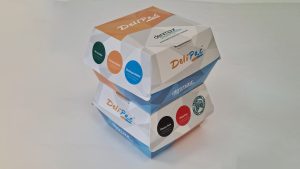
Award-winning Smart-Safe© Delipac paperboard has a plastic-free and PFAS-free food barrier, replacing traditional (and hazardous) plastic-coated/laminated paperboard for barrier packaging applications. Think common food packaging, grab-and-go food and drinks, and prepared meals. Delipack is an exciting product with a number of independent ISO environmental certifications: Recyclable (EN13430). Home and industrial compostable (NF T51-800-20-15), biodegradable (EN13432) EU/FDA food compliant EN1935/2004, bfr36 21CFR and certified non-migration EU REACH (1907/2006 Article 33 ECHA), PFAS migration (CEN/TS 15968/ EU) 10/2011), Migration of Metal Contents (RoHS EU 94/62/EEC).
To learn more about PFAS, visit Fidra’s dedicated website and download the report, “Forever Chemicals in the Food Aisle.”
Summary of the case for identifying PFAS in the impending European Union Regulation Article 21 (Revised) PPWR (EU 2025/40). PFAS will be banned from use in food contact packaging in the EU from 12 August 2026.
This is part of the EU’s wider Packaging and Packaging Waste Regulation (PPWR), which aims to protect health and the environment.
PFAS ban in food packaging: what does it mean for your products?
Key details of the 2026 PFAS ban:
Scope of prohibition:
This regulation prohibits food contact packaging from being placed on the EU market if it contains PFAS above certain thresholds:
25 ppb (parts per billion) (ppb) for individual PFAS, 250 ppb (parts per billion) for all PFAS combined* 50 ppm (ppm)
Products affected:
This includes items such as:
Oil-resistant fast food wrappers Paper cups Plastic or paper-coated food packaging Straws Microwave popcorn bags Coated paper snack packaging Fluoropolymer-based plastic processing aids (even if not intentionally added)
Legal basis:
This ban is codified in Article 21 of the revised PPWR (EU 2025/40) with the aim of reducing harmful PFAS exposure due to the persistence of harmful chemicals and their serious association with health problems such as hormone disruption and cancer.
Compliance responsibilities:
Manufacturers and importers must ensure that packaging is PFAS-free.
Suppliers are expected to provide a certified declaration of compliance under the regulations.
(EC) No 1935/2004 Food and drink compliance.
Industry impact and broader PFAS restrictions:
Given the seriousness of PFAS, the EU is now considering broader REACH restrictions that extend beyond food and beverage packaging to cover 10,000 PFAS substances across multiple industries.
So if you’re evaluating your packaging workflows and material sourcing, now’s the time to consider proven, compliant, PFAS-free Delipac Smart-Safe© paperboard to audit your existing supply chain to identify PFAS and produce safe packaging for food and beverages.
Chemicals last forever, results last forever. Don’t ignore PFAS contamination in packaging.
This article will be published in an upcoming PFAS Special Focus Publication in January.
Source link

