
Study maps optimal routes to transport EU’s renewable hydrogen
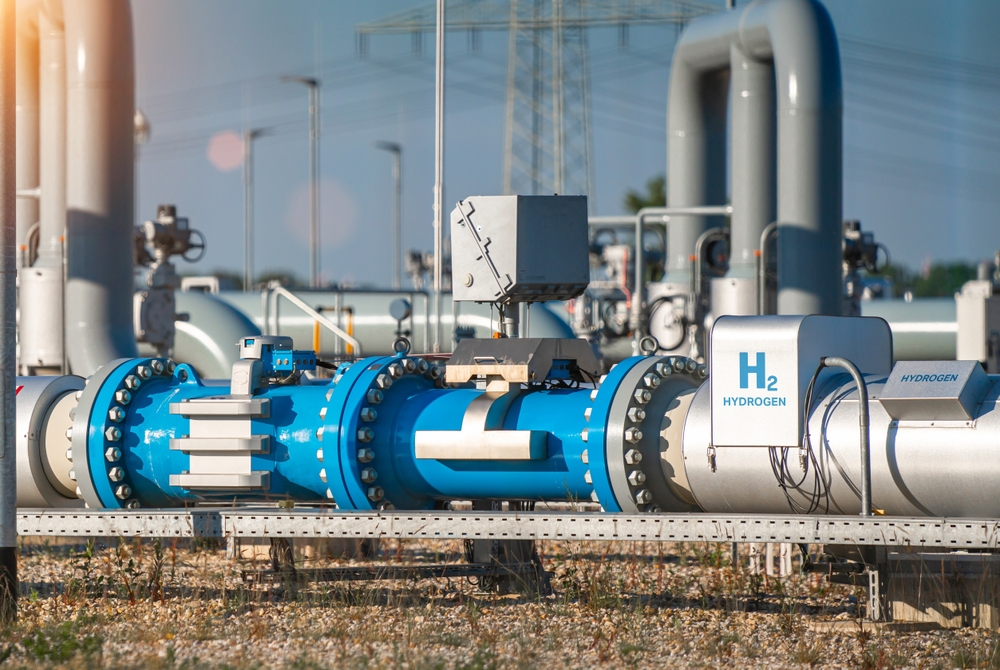
As Europe rushes to build a climate-neutral energy system, renewable hydrogen is increasingly seen as a key pillar of the continent’s decarbonization strategy.
But while the focus has largely been on how quickly hydrogen can be produced, a much more complex problem is emerging. The question is: How can we transport hydrogen over long distances in an affordable and truly low-carbon way?
A new study by the European Commission’s Joint Research Center (JRC) provides some of the clearest answers yet, comparing the economic and environmental performance of competing hydrogen delivery routes and revealing the best options to support Europe’s emerging hydrogen market.
Realizing Europe’s hydrogen ambitions
Renewable hydrogen is expected to play a central role in decarbonizing sectors that are difficult to electrify, such as heavy industry, long-distance transportation, and shipping.
The EU has set an ambitious goal of producing 10 million tonnes of renewable hydrogen domestically by 2030 and importing a further 10 million tonnes.
Advances in electrolyzer technology have improved the efficiency of hydrogen production, but the challenge of transporting hydrogen at scale remains unsolved.
Hydrogen can be supplied in several physical and chemical forms, each with different infrastructure needs, costs, and environmental impacts. Choosing the wrong option could significantly increase emissions and costs, undermining the climate benefits of renewable hydrogen.
A lens that combines economic efficiency and environmental friendliness
To address this challenge, JRC researchers combined techno-economic and life cycle assessments to create a harmonized framework that assesses both financial viability and environmental impact.
The study modeled hydrogen produced by renewable electrolysis in Portugal and transported approximately 2,500 kilometers away to the Netherlands, reflecting a realistic European import route.
Five delivery options were evaluated: compressed hydrogen, liquid hydrogen, ammonia, methanol, and liquid organic hydrogen carriers. Transport by ship and pipeline was also compared to understand how the choice of infrastructure affects the results.
Liquid hydrogen and compressed hydrogen emerge as top candidates
The results show a clear winner. In the European reference scenario, transporting liquid hydrogen by ship and compressed hydrogen by pipeline emerged as the most cost-effective and environmentally friendly option.
These routes have the advantage of fewer conversion steps and lower cumulative energy demand. In contrast, chemical carriers such as ammonia, methanol, and liquid organic hydrogen carriers performed poorly.
Although these materials are easier to process using existing infrastructure, the additional processes required to convert hydrogen to and from these carriers significantly increase energy usage, costs, and emissions.
The study found that these conversion stages also require large-scale renewable power facilities, further increasing the environmental footprint.
Distance matters for hydrogen transport
Transport distance plays a decisive role in determining the optimal shipping method. For very long routes, close to 10,000 kilometers, liquid hydrogen remains competitive due to its high energy density.
However, compressed hydrogen becomes less attractive over such distances due to increased fuel consumption and the need for additional transport vessels and pipeline capacity.
These findings suggest that renewable hydrogen infrastructure planning needs to be tailored to geography and scale, rather than relying on one-size-fits-all solutions.
Why renewable hydrogen is important for the energy transition
Beyond transport logistics, this research reinforces the strategic importance of renewable hydrogen for Europe’s wider energy transition.
As electricity demand increases and fossil fuels are phased out, renewable hydrogen offers a way to store excess renewable electricity, stabilize energy systems, and decarbonize industrial processes that cannot rely on direct electrification.
When produced and transported sustainably, renewable hydrogen can bridge the gap between renewable energy generation and hard-to-reduce emissions, providing the basis for a resilient net-zero economy.
Guidelines and investment decisions
By clearly outlining the trade-offs between costs, emissions and infrastructure requirements, the JRC study provides policymakers and investors with strong evidence to guide future decisions.
It also highlights the potential for repurposing existing natural gas pipelines for compressed renewable hydrogen, and highlights the need for continued innovation to reduce uncertainties and environmental impacts across all hydrogen technologies.
As Europe expands its hydrogen economy, research like this will be essential if renewable hydrogen is to fulfill its promise as a truly sustainable energy solution.
Source link

