

Close Menu
  • Home
  • Identity
  • Inventions
  • Future
  • Science
  • Startups
  • Spanish
What's Hot

OpenAI launches a way for enterprises to build and manage AI agents

Anthropic releases Opus 4.6 with new “Agent Teams”

AISURU/Kimwolf botnet launches record 31.4 Tbps DDoS attack

Facebook X (Twitter) Instagram
  • Home
  • About Us
  • Advertise with Us
  • Contact Us
  • DMCA
  • Privacy Policy
  • Terms & Conditions
  • User-Submitted Posts
Facebook X (Twitter) Instagram
Fyself News
  • Home
  • Identity
  • Inventions
  • Future
  • Science
  • Startups
  • Spanish
Fyself News
Home » How common is the presence of extra bones in the skeleton?
Science

How common is the presence of extra bones in the skeleton?

userBy userJanuary 3, 2026No Comments3 Mins Read
Share Facebook Twitter Pinterest Telegram LinkedIn Tumblr Email Copy Link
Follow Us
Google News Flipboard
Share
Facebook Twitter LinkedIn Pinterest Email Copy Link

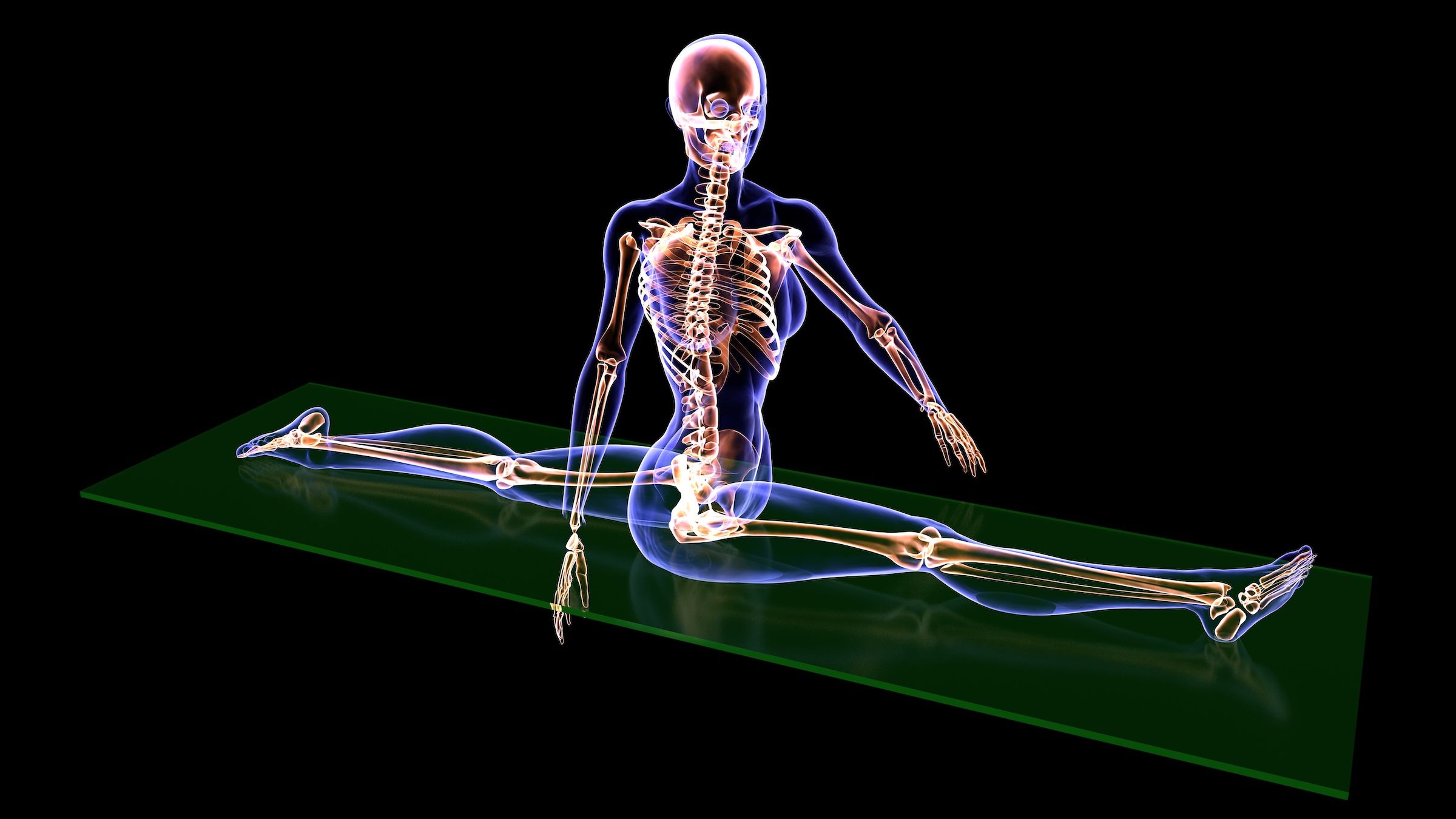
It is a well-known fact that babies have more bones than adults. Newborn babies have between 275 and 300 bones, and as they grow, smaller bones fuse and harden to form larger bones, whereas most adults have only 206 bones (smaller, softer bones give the baby more flexibility to curl up in the womb and navigate the birth canal).

But is it possible for adults to gain bone mass as well?

In fact, some adults have more than 206 bones. According to a 2024 study published in the journal Scientific Reports, these extra bones, known as accessory or supernumerary bones, can occur when bones don’t fuse in the standard way during development.

you may like

However, there are often no obvious signs that someone has more than the typical number of bones.

“It’s very easy to not realize that someone has an accessory bone,” Dr. Vandan Patel, an orthopedic surgeon at Mercy Medical Center Foot and Ankle Reconstruction Institute in Baltimore, told Live Science. In most cases, accessory bones do not cause symptoms. “We often find out that there is an accessory bone when we do an X-ray for an unrelated matter and it happens to be found,” he explained.

Ellen Ogut, associate professor of anatomy at Istanbul’s Medeniyat University, said even when X-rays show accessory bones, they are often overlooked or misinterpreted as fracture fragments or age-related changes. Overall, “studies suggest it occurs in approximately 10-30% of the general population,” but “the true prevalence is likely higher than generally recognized,” Ogut told Live Science.

Patel said appendicular bones are commonly found in the foot and ankle. The most common accessory bone is known as the triquetrum, he said. “This occurs in up to 10 to 25 percent of people,” Patel points out. “It’s located at the back of the ankle joint. It can cause pain, especially when you point your toes and ankle down, such as when a ballet dancer is in an en pointe position.”

Another common accessory bone is called the external tibial ostium, also known as the accessory scaphoid. “It’s found in up to 12% of the population,” Patel said. “This is located on the inside of the foot, next to the normal navicular bone. The navicular bone may appear enlarged. It can cause pain in the arch and is common in flatfoot deformities.”

Doctors also learn about many unusual accessory bones, Ogut said, often through studying cadavers and medical images. One example, he noted, is the acetabulum, the accessory bone of the hip joint that can be associated with hip pain. This accessory bone is found in less than 5% of the general population, Ogut noted in a 2025 review article in the Bratislava Medical Journal.

In some cases, it is also possible to have accessory ribs. According to the Cleveland Clinic, up to 1% of people are born with one or two extra neck bones, known as cervical ribs. This unusual bone does not resemble a typical rib. They may be vertical or diagonal instead of horizontal like the ribs in the chest. In most cases, cervical ribs do not cause problems, but they can cause pain and weakness in the arm. Physical therapy and medicine can help in these cases. The clinic noted that it can also be removed by surgeons as it serves no purpose.

Human Skeleton Quiz: What do you know about the bones of the body?


Source link

#Biotechnology #ClimateScience #Health #Science #ScientificAdvances #ScientificResearch
Follow on Google News Follow on Flipboard
Share. Facebook Twitter Pinterest LinkedIn Tumblr Email Copy Link
Previous ArticleExperimental mRNA therapy counteracts aging of immune cells in mice
Next Article The mysterious Voynich manuscript may be a code, new research suggests
user
  • Website

Related Posts

How well can AI and humans work together? Scientists are looking to Dungeons & Dragons to find out.

February 5, 2026

Total lunar eclipse on March 3rd: When and where can you see the “blood moon” from the United States?

February 5, 2026

Genetically unique group from southern Greece can trace paternal ancestry to the Bronze Age

February 4, 2026
Add A Comment
Leave A Reply Cancel Reply

Latest Posts

OpenAI launches a way for enterprises to build and manage AI agents

Anthropic releases Opus 4.6 with new “Agent Teams”

AISURU/Kimwolf botnet launches record 31.4 Tbps DDoS attack

Pacific Fusion finds cheaper way to run fusion reactors

Trending Posts

Subscribe to News

Subscribe to our newsletter and never miss our latest news

Please enable JavaScript in your browser to complete this form.
Loading

Welcome to Fyself News, your go-to platform for the latest in tech, startups, inventions, sustainability, and fintech! We are a passionate team of enthusiasts committed to bringing you timely, insightful, and accurate information on the most pressing developments across these industries. Whether you’re an entrepreneur, investor, or just someone curious about the future of technology and innovation, Fyself News has something for you.

Castilla-La Mancha Ignites Innovation: fiveclmsummit Redefines Tech Future

Local Power, Health Innovation: Alcolea de Calatrava Boosts FiveCLM PoC with Community Engagement

The Future of Digital Twins in Healthcare: From Virtual Replicas to Personalized Medical Models

Human Digital Twins: The Next Tech Frontier Set to Transform Healthcare and Beyond

Facebook X (Twitter) Instagram Pinterest YouTube
  • Home
  • About Us
  • Advertise with Us
  • Contact Us
  • DMCA
  • Privacy Policy
  • Terms & Conditions
  • User-Submitted Posts
© 2026 news.fyself. Designed by by fyself.

Type above and press Enter to search. Press Esc to cancel.