

Close Menu
  • Home
  • Identity
  • Inventions
  • Future
  • Science
  • Startups
  • Spanish
What's Hot

OpenAI launches a way for enterprises to build and manage AI agents

Anthropic releases Opus 4.6 with new “Agent Teams”

AISURU/Kimwolf botnet launches record 31.4 Tbps DDoS attack

Facebook X (Twitter) Instagram
  • Home
  • About Us
  • Advertise with Us
  • Contact Us
  • DMCA
  • Privacy Policy
  • Terms & Conditions
  • User-Submitted Posts
Facebook X (Twitter) Instagram
Fyself News
  • Home
  • Identity
  • Inventions
  • Future
  • Science
  • Startups
  • Spanish
Fyself News
Home » Experimental mRNA therapy counteracts aging of immune cells in mice
Science

Experimental mRNA therapy counteracts aging of immune cells in mice

userBy userJanuary 2, 2026No Comments2 Mins Read
Share Facebook Twitter Pinterest Telegram LinkedIn Tumblr Email Copy Link
Follow Us
Google News Flipboard
Share
Facebook Twitter LinkedIn Pinterest Email Copy Link

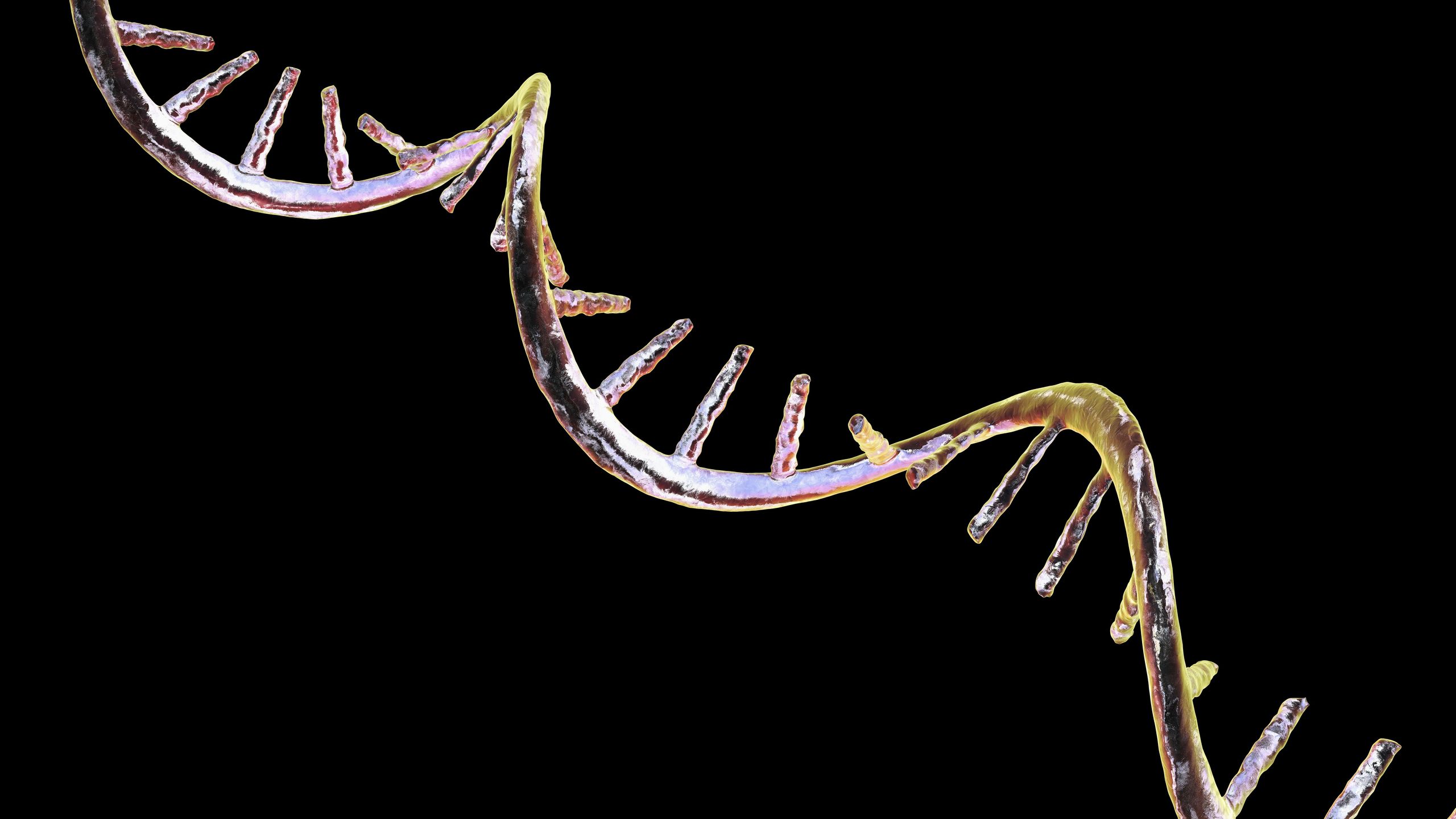
A new mRNA therapy could rejuvenate key immune cells in the body, helping fight infections and cancer, a mouse study suggests.

T cells help train other immune cells to fight disease. However, as the body ages, these T cells become less active and less responsive to threats. Additionally, the thymus gland, where T cells mature, begins to shrink with age. These effects of aging may explain why vaccines and immune-boosting cancer treatments are less effective in older people than in younger adults, Nature News reported.

In a new study published in Nature on December 17, scientists tried to use messenger RNA (mRNA) to combat age-related changes.

you may like

Among other roles, mRNA carries instructions from DNA to the cell’s protein-building organelles and serves as a template from which new proteins are made. The team behind this new study studied T cells from aging mice and identified three proteins that decline with age and appear to contribute to the aging process. They then produced mRNA for these three proteins, wrapped them in tiny fat bubbles and injected them into middle-aged mice, about 16 months old.

These mRNA-filled bubbles traveled through the bloodstream to the liver, where they accumulated. Because most T cells are in the bloodstream, and the liver filters blood, the T cells likely circulated through the liver, where they were exposed to a waiting supply of mRNA.

Mice treated with mRNA produced more T cells than untreated mice. The experiments also suggested that T cells from treated mice responded better to vaccination and cancer immunotherapy.

The effects of the treatment, given to the mice twice a week, disappeared as soon as the scientists stopped the injections. This isn’t necessarily surprising, given that mRNA molecules, whether originally made by cells or made in a lab, are broken down very quickly in the body.

Get the world’s most fascinating discoveries delivered straight to your inbox.

“Due to the transient nature of mRNA delivery, repeated administration is required to maintain therapeutic efficacy,” the study authors said in their paper. However, “the long-term effects of continued exposure to these factors, especially in older adults, should be analyzed through extensive long-term safety studies.”

That means further research is needed to see if the same approach works in humans. Read more about the research in Nature News.


Source link

#Biotechnology #ClimateScience #Health #Science #ScientificAdvances #ScientificResearch
Follow on Google News Follow on Flipboard
Share. Facebook Twitter Pinterest LinkedIn Tumblr Email Copy Link
Previous ArticleIndia orders Musk’s Mr. X to modify Grok over ‘obscene’ AI content
Next Article How common is the presence of extra bones in the skeleton?
user
  • Website

Related Posts

Total lunar eclipse on March 3rd: When and where can you see the “blood moon” from the United States?

February 5, 2026

Genetically unique group from southern Greece can trace paternal ancestry to the Bronze Age

February 4, 2026

Galileo images suggest life-friendly molecules are leaking from Jupiter’s giant moon Europa

February 4, 2026
Add A Comment
Leave A Reply Cancel Reply

Latest Posts

OpenAI launches a way for enterprises to build and manage AI agents

Anthropic releases Opus 4.6 with new “Agent Teams”

AISURU/Kimwolf botnet launches record 31.4 Tbps DDoS attack

Data breach at government tech giant Conduent balloon affects millions more Americans

Trending Posts

Subscribe to News

Subscribe to our newsletter and never miss our latest news

Please enable JavaScript in your browser to complete this form.
Loading

Welcome to Fyself News, your go-to platform for the latest in tech, startups, inventions, sustainability, and fintech! We are a passionate team of enthusiasts committed to bringing you timely, insightful, and accurate information on the most pressing developments across these industries. Whether you’re an entrepreneur, investor, or just someone curious about the future of technology and innovation, Fyself News has something for you.

Castilla-La Mancha Ignites Innovation: fiveclmsummit Redefines Tech Future

Local Power, Health Innovation: Alcolea de Calatrava Boosts FiveCLM PoC with Community Engagement

The Future of Digital Twins in Healthcare: From Virtual Replicas to Personalized Medical Models

Human Digital Twins: The Next Tech Frontier Set to Transform Healthcare and Beyond

Facebook X (Twitter) Instagram Pinterest YouTube
  • Home
  • About Us
  • Advertise with Us
  • Contact Us
  • DMCA
  • Privacy Policy
  • Terms & Conditions
  • User-Submitted Posts
© 2026 news.fyself. Designed by by fyself.

Type above and press Enter to search. Press Esc to cancel.