
TexMat textile deposit return scheme secures €6 million in EU funding
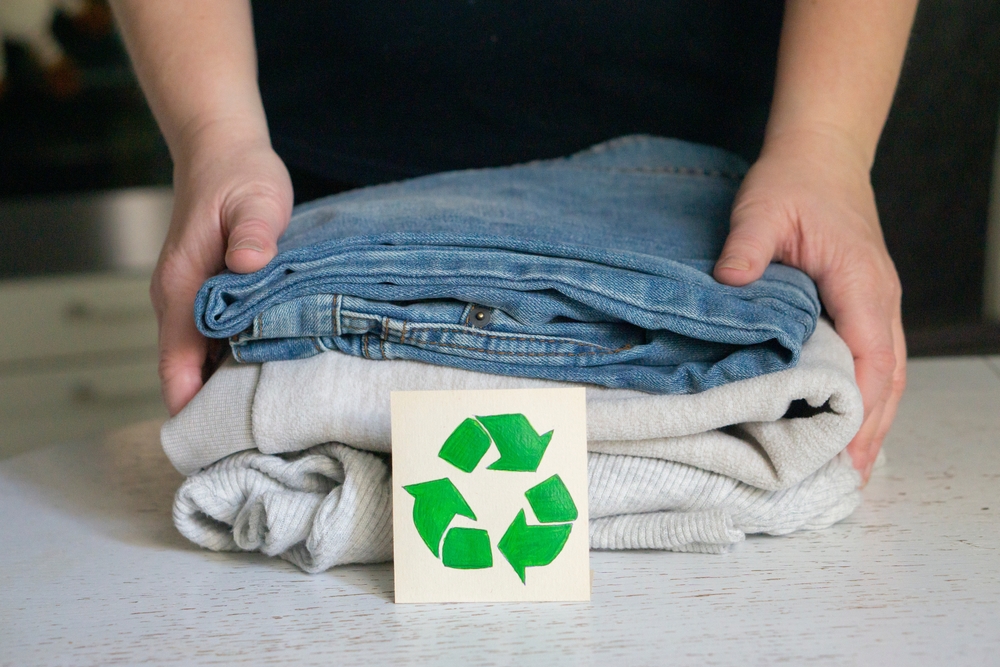
A major effort is underway in Europe to reshape the way used clothing and home textiles are collected, reused and recycled.
The TexMat project, which has received €6 million in funding from the EU, aims to create a scalable deposit return scheme for used textile products across Europe.
The initiative aims to increase fiber recovery rates, support reuse and recycling, and reduce the growing environmental impact of discarded clothing.
Elina Ilen, TexMat project leader at VTT Technical Research Center in Finland, explained: “The TexMat solution has great potential to transform the collection and resale of used but still valuable clothing, enabling consumers to monetize their textiles while supporting the second-hand goods market.”
Reinventing your textile collection through incentives
At the heart of TexMat is a deposit return scheme that rewards people for returning unwanted but reusable or recyclable textiles.
By providing financial incentives for discarded clothing, the project aims to increase recovery rates while reducing the amount of fiber sent to landfill or incineration.
The system will also alert producers if returned goods require formal waste management, helping them meet upcoming EU environmental obligations.
Smart containers and digital product passports
The deposit return scheme relies on automated collection containers with advanced sorting technology.
These units assess the quality of returned goods and identify material composition using digital product passports.
Digital product passports, which are expected to become standard across the EU, will store detailed information about how clothing is made, enabling faster decisions about reuse, resale and recycling.
By automating sorting and data collection, the system reduces reliance on manual labor and improves accuracy throughout the fiber recovery process.
Items suitable for the second-hand market can be efficiently sorted and damaged or low-quality fibers sent to the appropriate recycling or disposal route.
EU funding and real trials
TexMat is supported by a €6 million investment from the European Union’s Horizon Europe research and innovation program.
To test the deposit return scheme in practice, pilot projects will be rolled out in Finland and Spain, allowing partners to assess consumer participation, technical performance, and operational scalability.
Pan-European collaboration
The initiative, which will run until March 2029, brings together 14 partners from seven EU countries, including research institutes, universities and industry players across the textile value chain.
Estonian company Protex Balti is providing expertise in integrating digital product passports into clothing, while Spanish and Italian companies are jointly developing smart collection containers and associated digital infrastructure.
As the EU tightens regulations on textile waste, TexMat’s deposit return scheme could provide a scalable model for sustainable textile management across Europe.
Source link

