


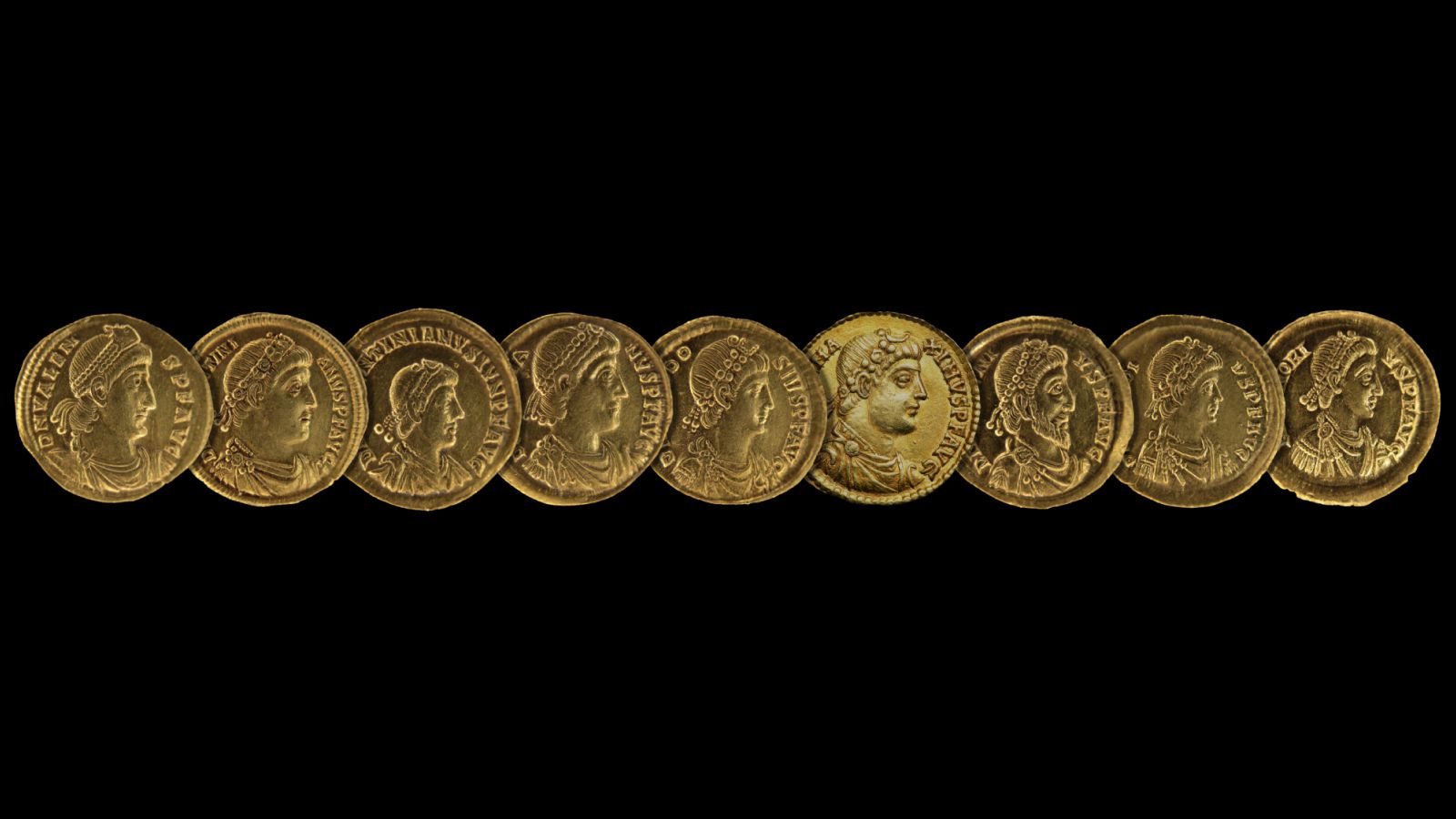
Archaeologists in Luxembourg have uncovered a luxurious trove of 1,700-year-old Roman gold coins placed near the foundations of a small tower-like Roman fort.
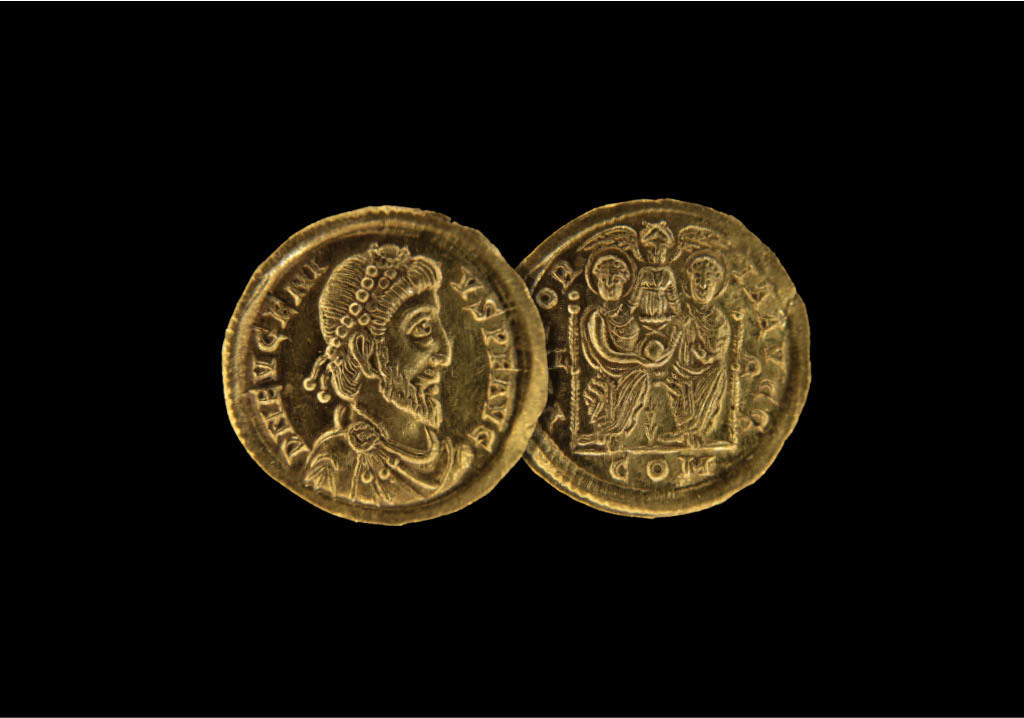
The research team unearthed 141 gold coins minted between 364 and 408 AD in Holztum, a village in northern Luxembourg. The coins feature portraits of eight emperors, but three of the coins featured unexpected rulers. Eugenius was an illegitimate emperor of the Western Roman Empire who ruled for only two years (392-394).
you may like
“This is an important archaeological discovery, as it is extremely rare to be able to study an entire ancient monetary deposit in an archaeological context,” the researchers translated in a statement from Luxembourg’s National Institute of Archeology (INRA).
Due to its historical importance, the discovery was kept secret for almost four years, and excavations were carried out under the direction of INRA from 2020 to 2024. The team also faced a dangerous situation as several World War II munitions and explosives were buried in the area, so the Luxembourg Army Mine Action Service (SEDAL) was asked to assist in the excavation.
Related article: Amateur freediver discovers gold treasure dating back to fall of Roman Empire
Approximately $322,000 worth
This gold coin, a term derived from the Latin word “solidus” meaning “solid”, represents a consistent and reliable gold content. Each coin weighs approximately 0.16 ounces (4.5 grams) and was introduced in the early 4th century during the “Late Roman Empire.” Solidus remained relatively stable for centuries and spread throughout the Mediterranean region.
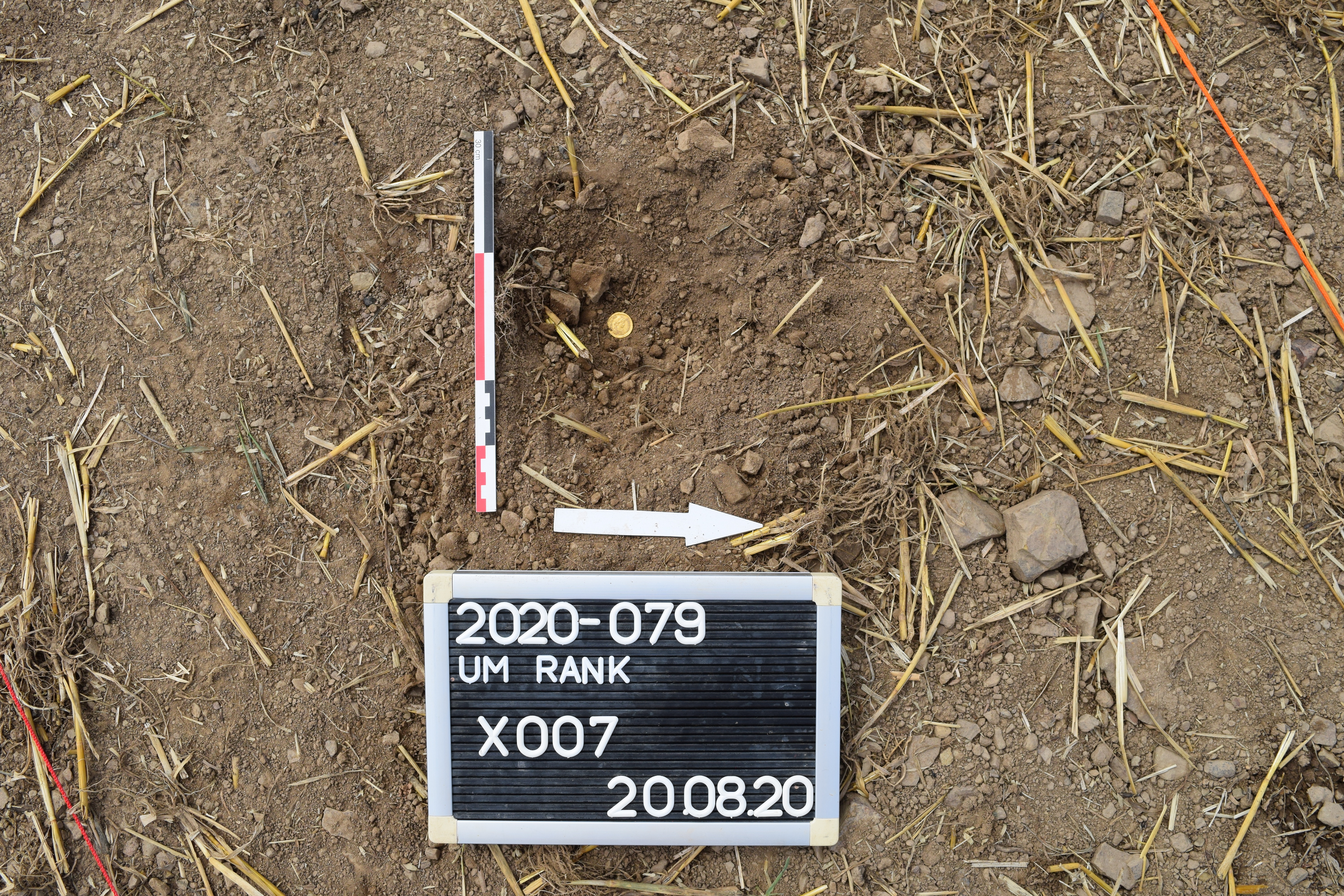
An independent analysis, which took into account the coin’s “excellent condition” and “the presence of several rare specimens,” estimated the coin’s value at 308,600 euros, or nearly $322,000. In accordance with legal provisions regarding cultural heritage, this amount is reserved to those with legal rights to the finds, such as property owners.
“The excavations and the processing of the finds will still take time,” Luxembourg’s Culture Minister Eric Till said in a translation of a parliamentary statement, “but there is no doubt that we will deepen our knowledge and understanding of the last century of the Western Roman Empire.”
The researchers plan to further analyze this reservoir and eventually publish their results in a research journal.