
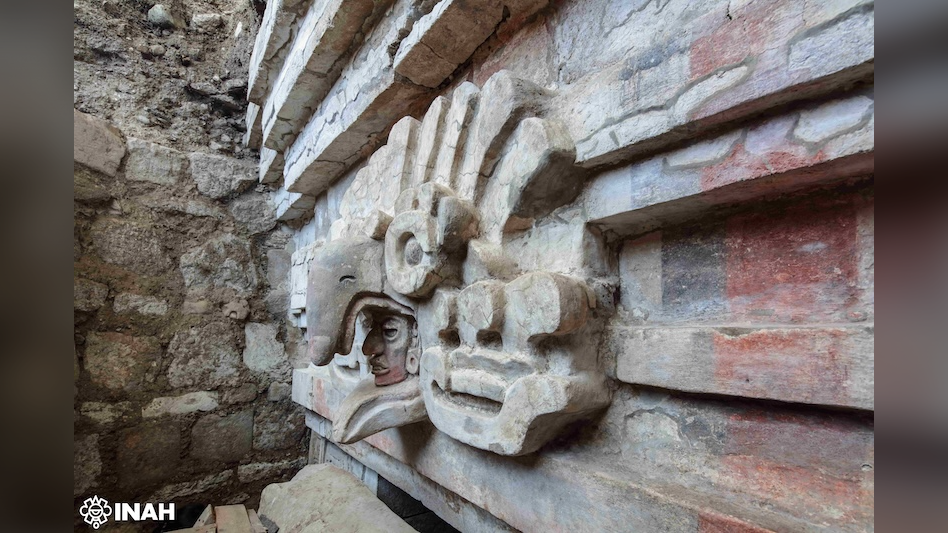
Archaeologists in Mexico have uncovered a 1,400-year-old tomb of the Zapotec culture that features well-preserved details, including a carving of a wide-eyed owl holding a human in its beak, colorful wall paintings and carvings of a calendar.
Authorities discovered the grave after following up on anonymous reports of looting at the site. Mexican President Claudia Sheinbaum Pardo announced in a Spanish-language press conference on January 23 that their research had revealed “the most important archaeological discovery in Mexico in ten years.”
The tomb was discovered in 2025 in San Pablo Huizo, a municipality in the southern Mexican state of Oaxaca. It dates from around 600 AD, when the indigenous Zapotec people, also known as the “Cloud People,” flourished in the area. The Zapotec civilization was established around 700 BC and was destroyed by the Spanish conquest in 1521. However, hundreds of thousands of people who speak Zapotec still live in Mexico.
you may like
At the entrance to the newly unveiled tomb, archaeologists discovered a large carved owl whose beak opened to reveal the painted face of a Zapotec lord. According to a translated statement from Mexico’s National Institute of Anthropology and History (INAH), owls symbolized death and power in ancient Zapotec culture, suggesting that tombs carried in their mouths portraits of the ancestors they honored.
Inside the tomb, there is a threshold between the two chambers and an elaborately carved doorway. At the top there is a horizontal beam made of stone tablets inscribed with “calendar names”. This is a naming system in which deities and important people are given specific symbols associated with their birthdays. INAH said in a statement that the doorway is carved with male and female statues on either side, possibly representing ancestors buried in the tomb or guardians of the palace.
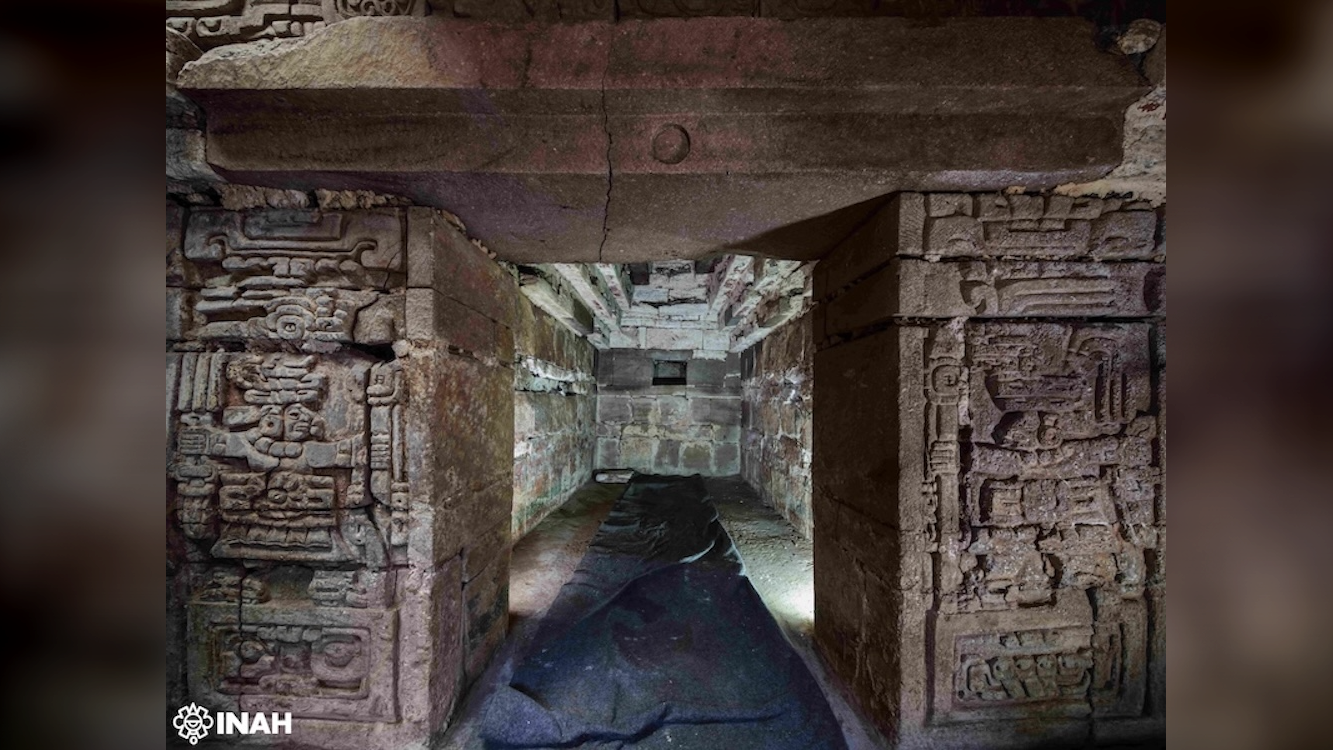
Colorful murals in white, green, red and blue were preserved on the walls of the burial chamber. These depict funeral processions of people carrying bags containing copal, a tree resin burned as incense during ceremonies in pre-Hispanic Mesoamerica.
Mexico’s Secretary of Culture, Claudia Curiel de Icaza, said in a statement that the highly decorated tomb is “an extraordinary find, considering its level of preservation and what it reveals about Zapotec culture: its social organization, funerary rituals, and worldview preserved in its architecture and wall paintings.”
A multidisciplinary team at INAH is currently working to preserve and protect the tomb, and further research will feature pottery evidence, iconography, and a small number of human bones recovered from the tomb.
Huitzo’s tomb joins 12 other ancient Zapotec tombs discovered in Oaxaca in the past decade, many of which had been plundered before archaeologists could study them. But although some information about the ancient Zapotec civilization was lost to looting, Huitzo’s tomb “is a source of pride for Mexicans and a testament to the greatness of Mexico,” Sheinbaum said.
