



Greek archaeologists have discovered a 430,000-year-old hand-held wooden tool, making it the world’s oldest surviving tool of its kind, a new study has found. The two tools, found in the Peloponnese peninsula in southern Greece, were created by an unidentified hominin race older than modern humans.
“These objects are the oldest hand-held wooden tools ever discovered, extending evidence of the use of these types of tools back at least 40,000 years,” the researchers said in a statement.
you may like
The other wooden tool is 2.2 inches (5.7 cm) long, completely stripped of bark, and has a rounding and a hole at one end. It is not clear what it was used for, but the researchers wrote that it may have been used to make stone tools.
Researchers said in a study report that the remains appeared to have been buried in wet soil. This made it possible to preserve wooden tools and other organic remains in a low-oxygen environment.
Scientists also excavated animal and plant remains from the site, making it possible to recreate the landscape as it existed at the time the tools were made.
“This fauna includes both terrestrial and semi-aquatic mammals, as well as freshwater molluscs, turtles, and birds, indicating a rich riparian environment,” the researchers wrote in their paper. The finds also include carcasses of elephants, hippos, deer and wild boars.
At the time the wooden tools were used, Europe was experiencing a “cold ice age,” but this lakeside environment would have been relatively hospitable, lead study author Annemieke Milks, an archaeologist at the University of Reading in the UK, told Live Science in an email.
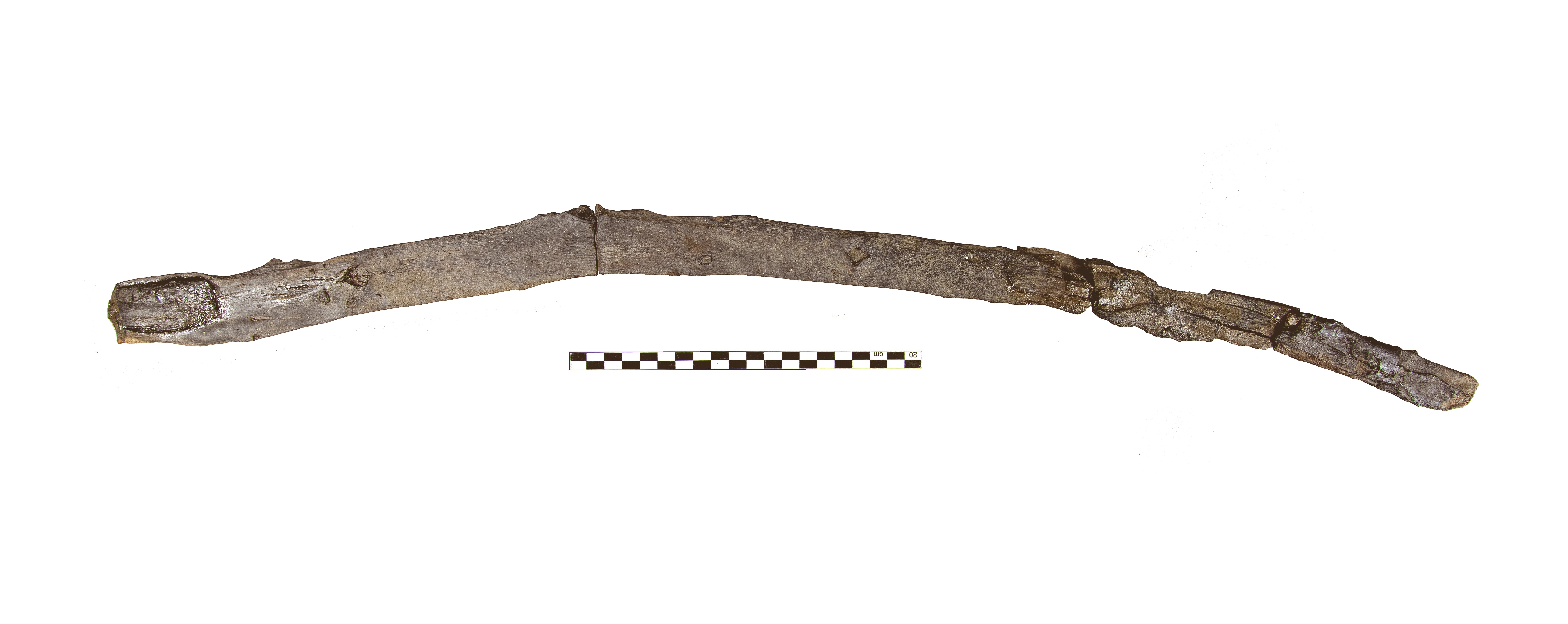
early humans
This tool dates back about 430,000 years, or about 130,000 years before Homo sapiens existed, but it’s not clear which hominin created it. “There are no human remains. [Marathousa] And there is some ambiguity at this point about the species of hominins during this period. It could have been Homo heidelbergensis or a very early Neanderthal,” Milks said.
Tools made of stone and bone have previously been found at the site, Milks said, and the newly discovered wooden tools mean early humans used a variety of materials. For example, the world’s oldest known wooden structure, discovered in Zambia, is even older, at 476,000 years old.
“We understand that these hominins understood these different materials and their properties, and probably used different tools for different tasks,” Milks said. “I think this will be very helpful in understanding how ancient humans used the various materials and resources around them.”
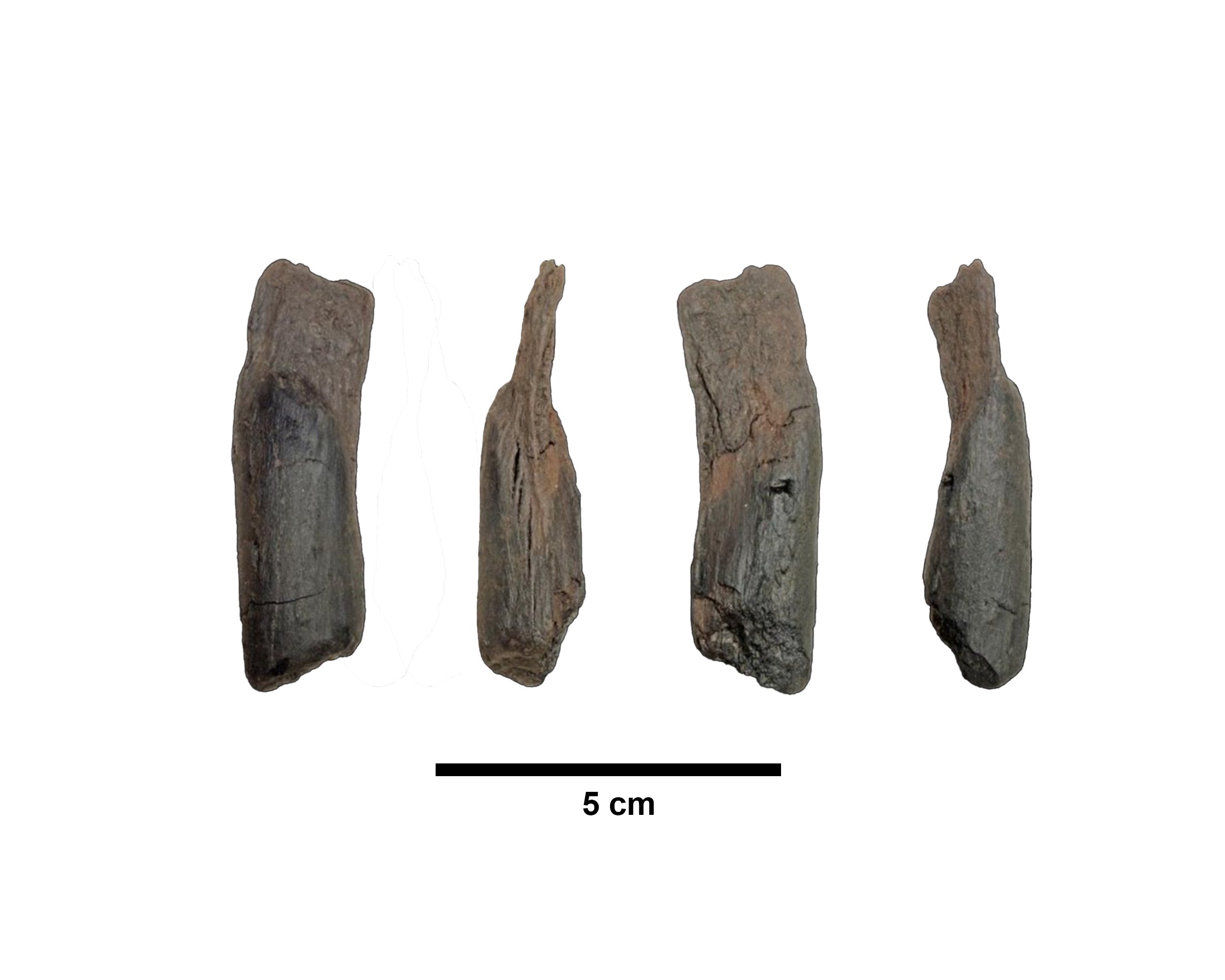
Katerina Herberty, study co-author and professor of paleoanthropology at Germany’s University of Tübingen, told Live Science in an email: “These tools are designed to address components of their technology that we know little about, viz. [perishable] It is a plant-based material rather than stone,” she added.
Excavations at the site were carried out from 2013 to 2019, and a digging rod was discovered in 2015, and a wooden tool of unknown purpose was discovered in 2018.