


watch on
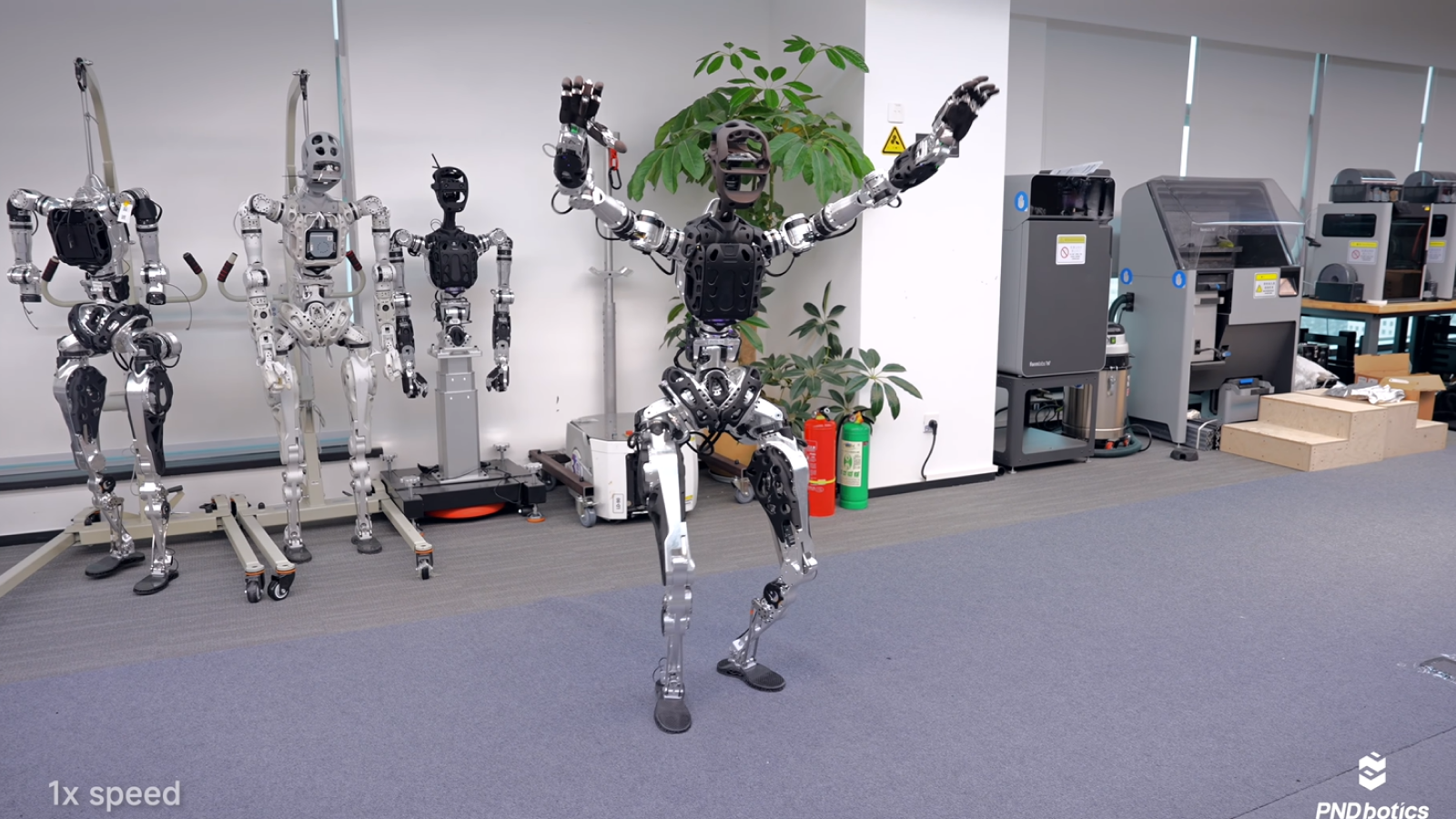
The humanoid robot, named Adam-U Ultra, showed impressive agility and grace, performing a complex and highly energetic routine without stumbling, slipping or missing a beat.
A new video released by Chinese robotics company PNDbotics shows a bot, based on the company’s original Adam robot unveiled late last year, performing a series of complex steps. The dancing is surprisingly subtle and human, with intricate arm, hip, and leg movements that blend perfectly with the accompanying music.
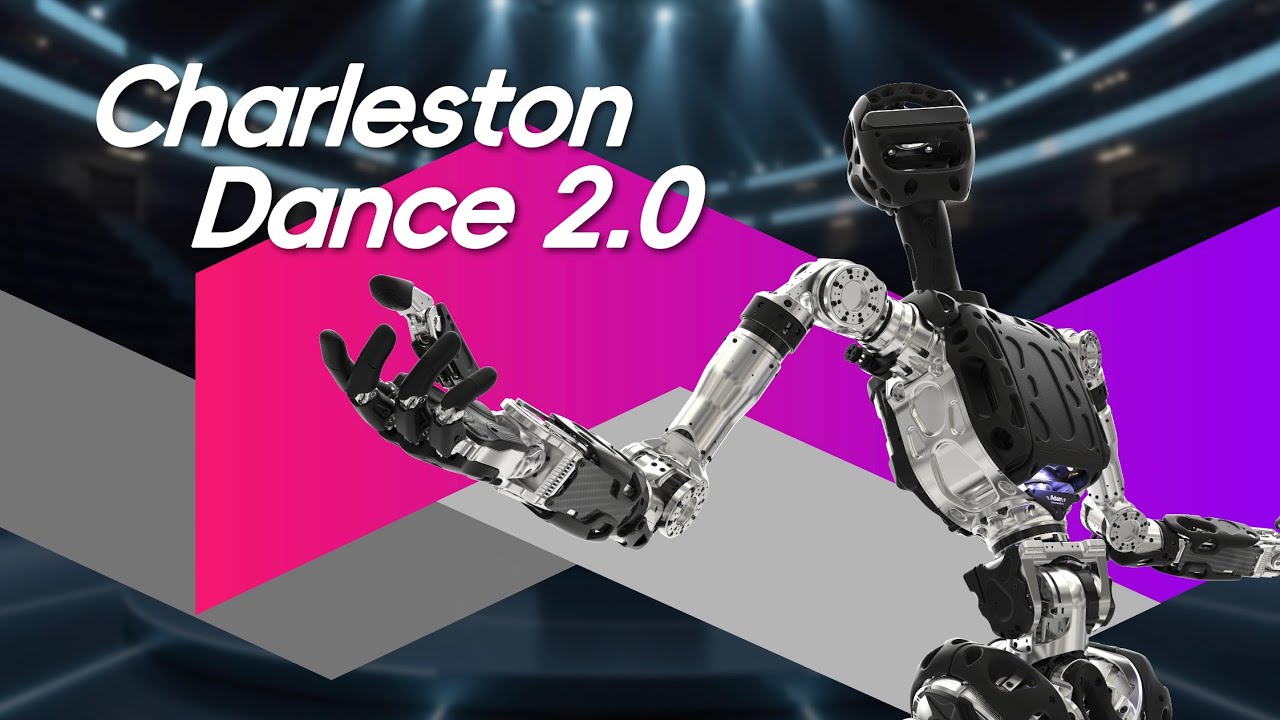
According to PNDbotics representatives, such complex movements are possible thanks to the model’s 41 independently controllable joints or actuators. These allow Adam a wide range of flexibility and movement, allowing him to imitate human movements, even in difficult ones like freestyle dancing. Although the video calls the dance sequence the Charleston, it’s actually more like a hip-hop dance routine.
you may like
All of these actuators are coordinated by PNDbotic’s advanced control system and communication architecture. These include an artificial intelligence (AI) computing platform built around Nvidia’s Jetson Orin module. It is a system-on-module (SoM) that combines CPUs, GPUs, and other components to create the “brain” of an AI platform.
The robot is constantly iterating and improving in terms of things like stability and balance by combining a whole-body control system built on large-scale simulated environments and neural network training with a model predictive control system.
Adam-U Ultra also includes a sophisticated Vision Language Action (VLA) model, an embodied AI system that perceives the world, understands instructions, and directly controls actions, enabling robots to perform real-world tasks through natural language guidance. Basically, you can talk to it and tell it what to do, and it will respond accordingly. This is backed by 10,000 samples of real-world behavior designed to allow the platform to learn its behavior and adapt to changing conditions on the fly.
The visual elements of Adam’s VLA are powered by an Intel RealSense D455 depth vision sensor, enabling accurate 3D environment modeling and real-time spatial awareness, as well as numerous LIDAR and standard cameras.
This fully humanoid robot, which can be seen dancing, is being developed in parallel with PNDbotics’ Adam-U robot, a stationary model designed primarily as a data collection platform. The company is also developing four fully mobile humanoid robots with varying degrees of freedom of movement, sensory abilities, and computing power, according to the company’s website.
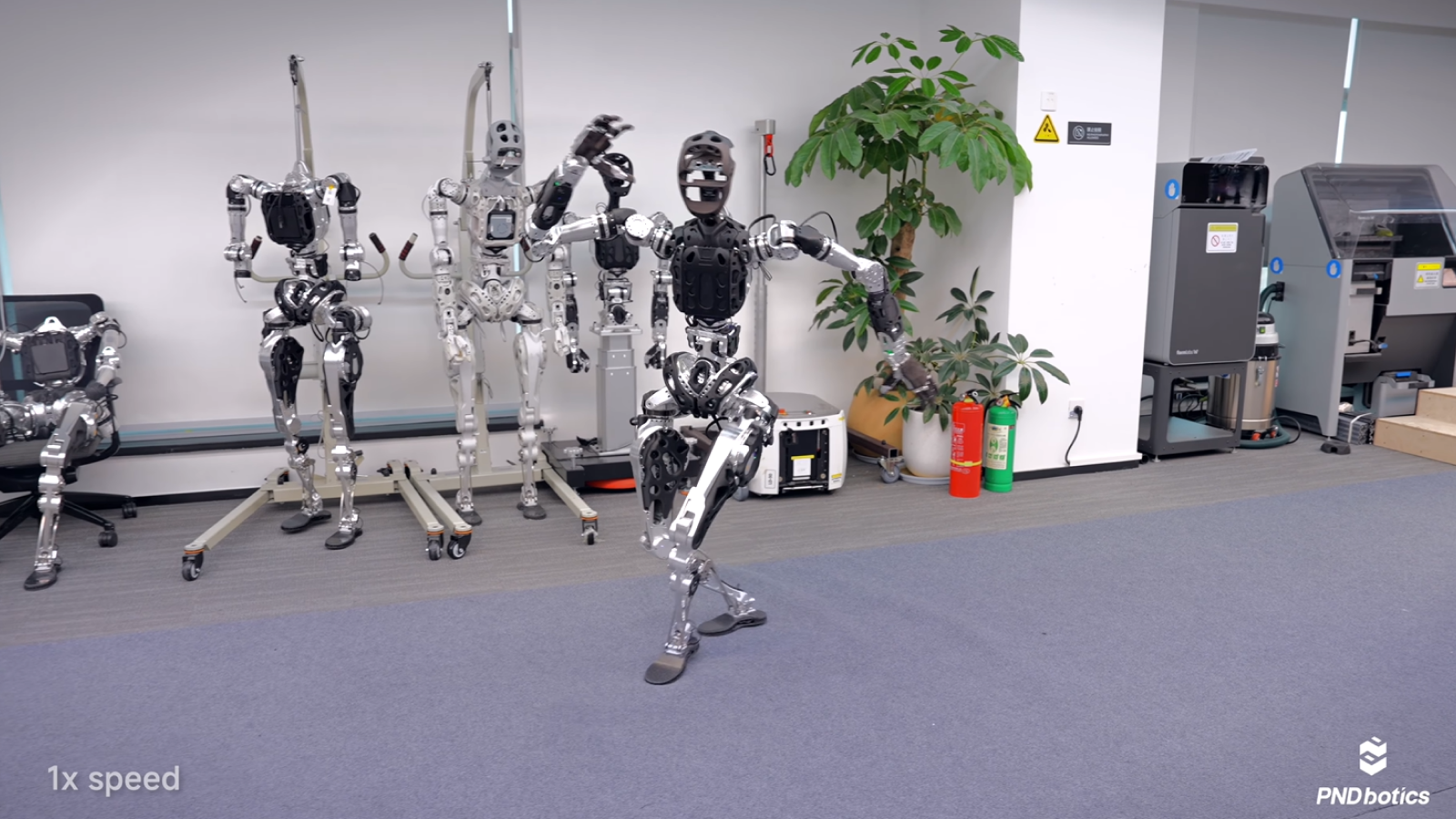
One of the keys to Adam’s smooth movement is how lightweight the platform is. Even the heaviest model, the Adam Pro, only weighs 139 lbs (63 kg), while the lightest model only weighs 132 lbs (60 kg). All models are 5.2 feet (1.6 meters) tall.
PNDbotics claims that Adam could fill a number of potential roles, from research and lab work to medical assistance and rehabilitation scenarios. The company’s robots could help train health care workers in rehabilitation, monitor patient recovery, and even assist in surgeries.
The company’s website also suggests that Adam could be placed in a traditional industrial role on a manufacturing line, or as a concierge or receptionist in the service industry.