
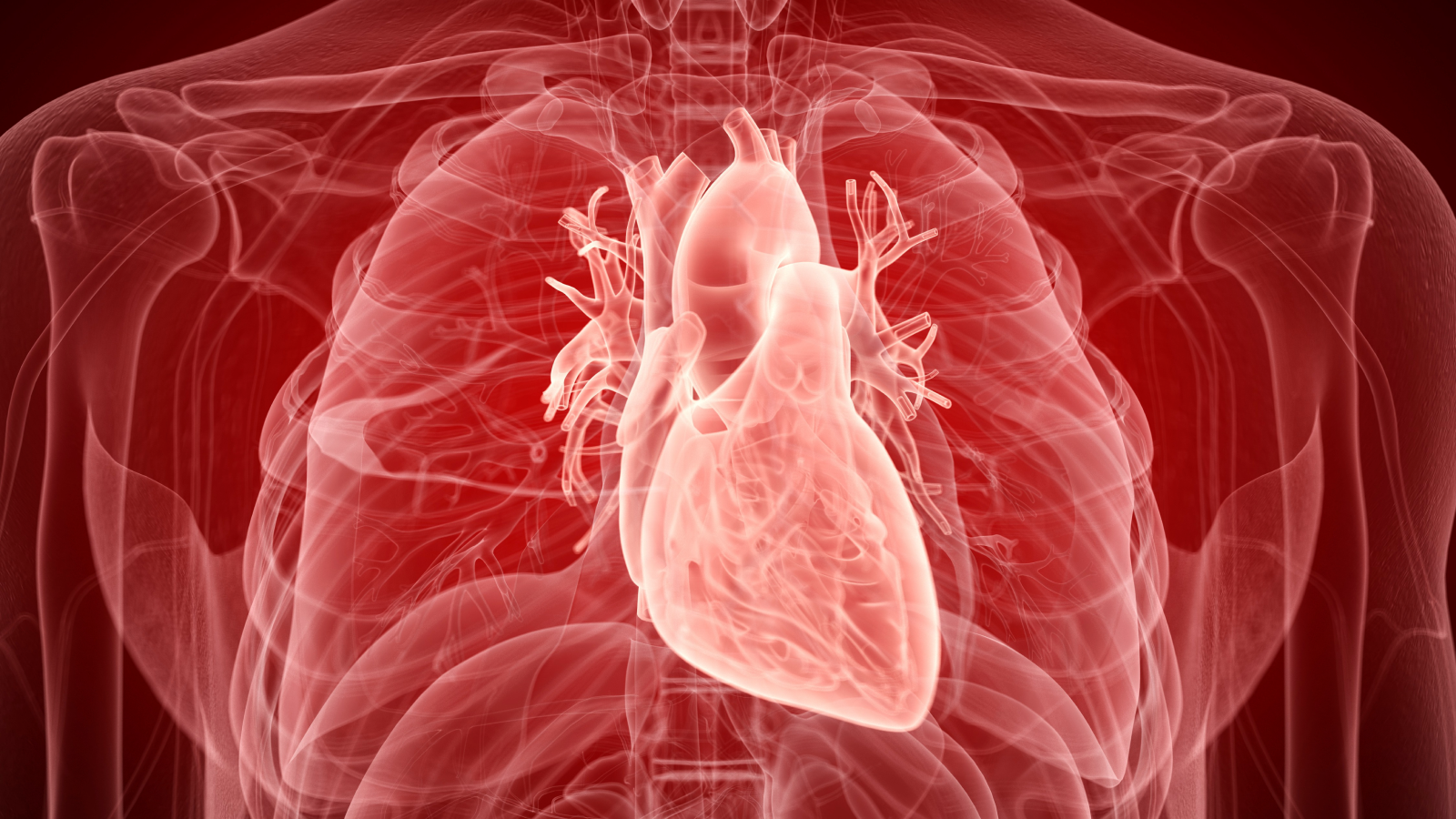
Death: 39-year-old man living in the United States
Autopsy results: The coroner examined the man after a desperate struggle, during which the stab wound pierced a vein in his lung. They noted that the man’s heart was slightly enlarged and he had moderate atherosclerotic coronary artery disease (CAD) in two blood vessels. CAD is caused by plaque buildup on the walls of arteries leading to the heart.
you may like
They identified this structure as O. cordis, a “heart bone” rarely seen in humans.
What’s unique about this case: O. cordis has long been observed in nonhuman mammals, including ruminants such as cows and camels. In animals, it is thought to support heart valves that direct blood flow within the heart.
This structure was only recently described in primates, in a report published in 2020, just five years before the above case study. In that 2020 report, scientists examined the hearts of 16 chimpanzees and found that three of them contained male cordis. These three chimpanzees also had scarred heart tissue, leading the researchers to suggest that the development of bone structures may be related to such tissue damage.
Also in 2020, a similar structure was reported in seven humans by Dr. Jorge Trainini, a cardiac surgeon and professor at the National University of Avellaneda in Argentina. He and his co-authors named this discovery the “cardiac fulcrum,” emphasizing its role in stabilizing the heart muscle as it moves against gravity.
The researchers reported that, unlike Oscordis they observed in bovine hearts, the fulcrum in adult humans is made of cartilage and tendon rather than bone. That said, the researchers’ own analysis found that 10-year-old hearts do contain bone tissue, suggesting that the structure may lose its bony properties with age. (The 10-year-old boy had cardiomyopathy, a disease of the heart muscle, and had undergone a heart transplant. Bone tissue was found in the transplanted heart.)
In an interview with Live Science, Trainini said that the cordis and the cardiac fulcrum have the same structure. However, the case report authors disagreed. They acknowledged Trainini’s previous findings but argued that the structure discovered in the 39-year-old man was unique because it was made of bone.
However, the authors of the case report reached a similar conclusion to Trainini, stating that such structures may be more common among humans than currently recognized. They discovered the cordis during dissection of heart tissue, which is not a standard autopsy, and suggested that this feature may normally go unnoticed.
Based on subsequent studies of about 100 human hearts, Tranini went so far as to argue that all humans likely have a cardiac fulcrum.
Although the authors of the case report did not know the man’s complete medical history, they noted that the cordis formation may be related to his apparent heart disease. It is known that aging and disease can affect this structure in other animals, they added.
For more interesting medical cases, check out our Diagnostic Dilemma archives.
