
Combat antimicrobial resistance with McGill rapid tests
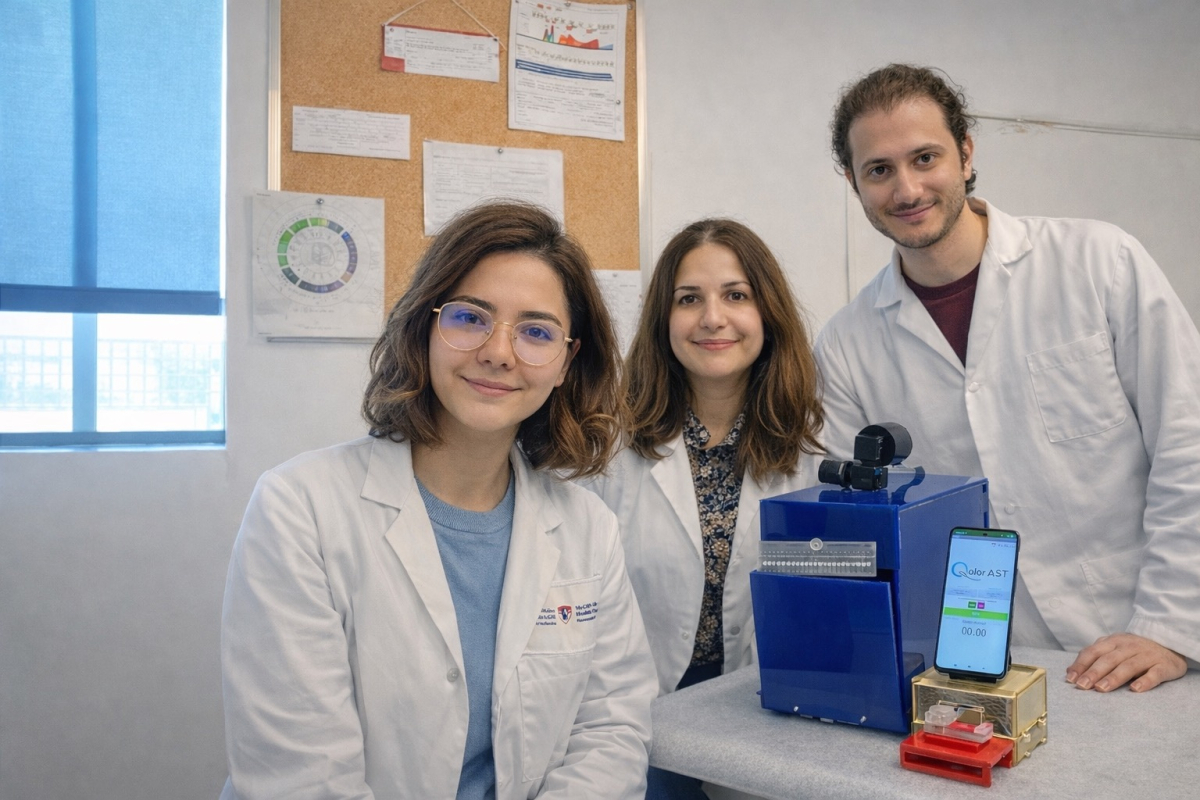
Breakthroughs in bacterial detection enable faster and more effective treatment.
In a breakthrough development, scientists at McGill University have developed a diagnostic system that can identify bacteria and determine which antibiotics are effective against them in just 36 minutes.
This innovation represents an important step forward in the global fight against antimicrobial resistance (AMR), a growing public health threat. Traditional laboratory tests often take 48 to 72 hours, delaying treatment decisions and leading to inappropriate antibiotic use.
The global threat of antimicrobial resistance
Antibiotic resistance occurs when bacteria, viruses, fungi, or parasites evolve to resist drugs designed to kill them.
Over time, infections become harder to treat and the risk of serious illness and death increases. AMR already kills more than 1 million people a year worldwide, more than deaths from diseases such as HIV/AIDS and malaria.
Experts warn that delays in diagnosis and misuse of antibiotics are key factors in the crisis, highlighting the urgent need for rapid and reliable testing methods.
Introducing QolorPhAST: Fast, Accurate, Portable
The new system, named QolorPhAST, is compact, automated, and designed to provide ultra-fast results.
This device utilizes cutting-edge nanotechnology to detect bacterial activity. When living bacteria metabolize, the nanosensor changes color almost instantly.
This color change is analyzed by a machine learning algorithm to identify both the type of bacteria and their susceptibility to antibiotics without overnight incubation.
Developed in the laboratory of Professor Sara Mahshid at McGill University, QolorPhAST combines expertise in nanomaterials engineering, microfluidics, photophysics, and artificial intelligence.
Former PhD students Mahasa Jalali and Tamer Abdelfattah played a key role in converting these advanced technologies into practical diagnostic tools.
Clinical trials have shown promising results
In a blinded clinical trial using 54 urine samples, QolorPhAST demonstrated higher accuracy compared to traditional clinical testing methods, while significantly reducing testing time.
Portability, ease of use, and affordability make it suitable for widespread implementation, including in clinics treating urinary tract and sexually transmitted infections.
By enabling rapid and accurate identification of bacterial infections, QolorPhAST can help physicians prescribe the appropriate antibiotics immediately, potentially reducing the overuse and misuse of these drugs, a key driver of antimicrobial resistance.
The road ahead
The McGill team is currently working towards commercialization. The goal is to bring QolorPhAST to healthcare settings around the world, providing a critical tool in the fight against drug-resistant infections.
As AMR continues to threaten global health, innovations like QolorPhAST could be essential in bridging the gap between diagnosis and effective treatment, ensuring faster and more targeted care, and curbing the rise of antibiotic-resistant bacteria.
Source link

