


As soils at high latitudes warm, microorganisms in the soil change the way they process nutrients such as nitrogen. Typically, these microorganisms recycle nitrogen, pulling it from the soil and converting it into inorganic forms such as ammonium and nitrate that plants can absorb. But a new study published in the journal Global Change Biology suggests that microbial strategies are changing as temperatures rise. They take in more nitrogen themselves while releasing less into the environment. This change alters the flow of nitrogen through ecosystems, slowing vegetation growth and potentially affecting the rate of global warming.
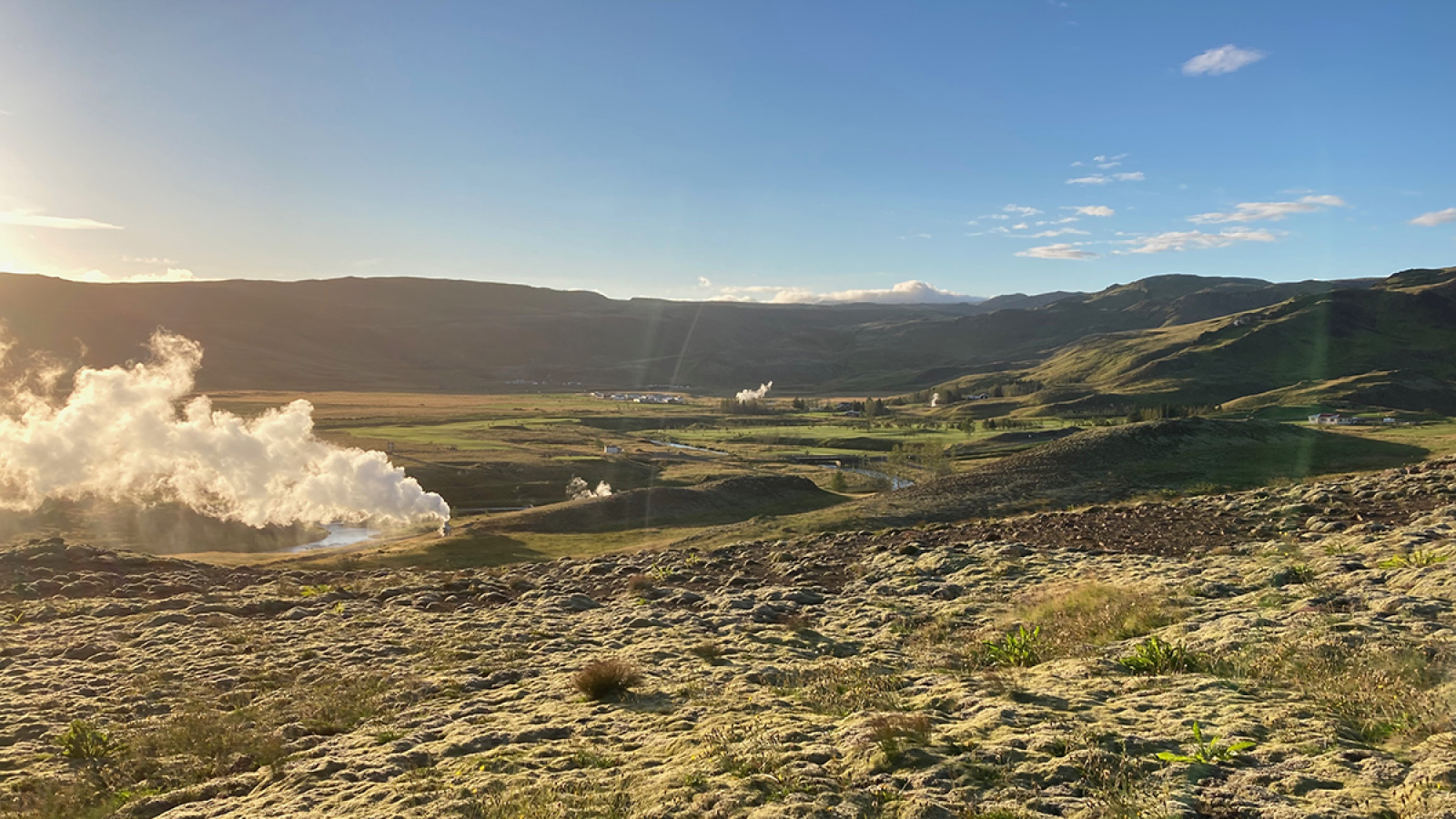
These findings come from experiments conducted in subarctic grasslands near Hveragerdi, Iceland. The 2008 earthquake rerouted groundwater in areas warmed by geothermal gradients, creating patches of soil that were heated between 0.5 °C and 40 °C above normal temperatures. This event turned the area into a natural laboratory where researchers can study how ecosystems respond to long-term warming under natural conditions.
you may like
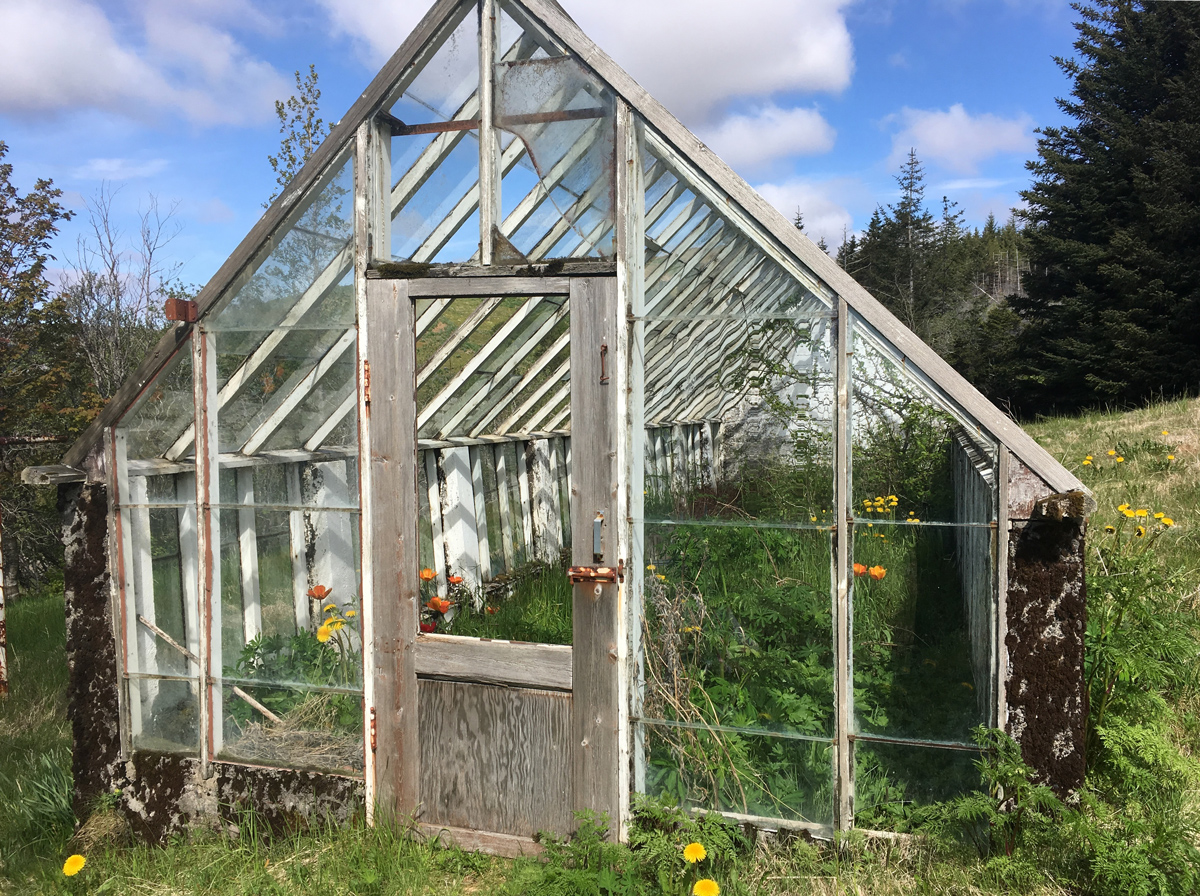
In this study, scientists added nitrogen-15 to the soil and were able to track it to determine how much plants consumed and what they did with it. The researchers found that after the initial loss of nutrients, the microbes became more conservative in their handling of nitrogen, recycling it internally rather than absorbing more from the ground. At the same time, the microbes stopped releasing ammonium, a nitrogen-rich byproduct of normal metabolism available to plants and equivalent to microbial urine, said study co-author Sara Maranhão Jiménez, a soil scientist at Spain’s Center for Ecological Research and Forestry Applications.
nitrogen robbery
This change in the nitrogen cycle has important implications for the entire ecosystem. On the one hand, it has a positive effect, as it prevents further loss of nitrogen.
“This study shows that nitrogen seems to enter directly into the organic loop, rather than being released as inorganic nitrogen,” said soil microbiologist Sara Hallin of the Swedish University of Agricultural Sciences in Uppsala, who was not involved in the study. “This can be seen as a positive aspect: if nitrogen is retained in some form, it becomes more beneficial to the ecosystem.”
On the other hand, the nutrient storage behavior of microorganisms can reduce nitrogen available to plants. “There is a delicate feedback between plants, which take up nitrogen, photosynthesize, and bring carbon into the soil as organic matter, and microorganisms, which take up this organic matter, recycle it, and release nitrogen in a form that plants can use,” Maranhão-Jiménez said. “If microbes start fixing nitrogen, there can be competition between microbes and plants.”
The research team is currently working to understand exactly what happens to soil during the very early stages of warming, before nutrients are lost. “In this way, we hope to restore the first chapter and see what was missing.”
To achieve this goal, they transplanted a portion of normal soil into a heated area and studied the process in detail from the beginning. “The exposed soil [soil] Similar nutrient losses were seen five years later due to rising temperatures [as] 10 years later,” Marañón-Jiménez said, suggesting that most of the nutrient loss occurs early on.
Greenhouse time bomb
Climate models may be underestimating how nitrogen and carbon loss from cold soils is contributing to global warming, researchers said. Disruption of nutrient cycling at these latitudes could be a hitherto overlooked source of greenhouse gas emissions.
you may like
Arctic soils contain large amounts of carbon accumulated over thousands of years from plant material that microorganisms cannot fully decompose. This partially decomposed organic matter accumulates and forms one of the largest carbon reservoirs on Earth. Scientists predict that rising temperatures will increase microbial activity, accelerate decomposition, and release much of the stored carbon into the atmosphere as carbon dioxide.
Researchers had hoped that warmer temperatures would allow plants to grow more vigorously and absorb some of the extra carbon released from Arctic soils.
New findings cast doubt on this idea. “It’s a chain reaction,” Maranhão Jiménez explained. “The loss of biomass from the microbial community means that the carbon and nitrogen storage capacity of the soil is reduced, leading to poorer soils in which plants cannot grow adequately, and plants are unable to compensate for emissions by absorbing more carbon.”
However, studying these geothermally heated soils can yield confusing results. “This is not how global warming actually works,” Hallin said. She explained that while global warming includes rising temperatures, the plants in this study only have root systems and no above-ground shoot systems in warmer climates. “It could potentially cause some impact [the researchers] are not taken into account,” she said.
Finally, the authors of the new study also caution that not all soils will respond the same to warming. The Icelandic soil studied in this study is volcanic and rich in minerals, unlike the organic peat soils that dominate much of the Arctic region. Deep peatlands in Scandinavia and northern Russia store vast amounts of carbon and may behave differently, highlighting the need for similar long-term studies in the wider Arctic.
This article was originally published on Eos.org. Read the original article.