
Thousands of hydrogen jobs could be lost due to UK government delay
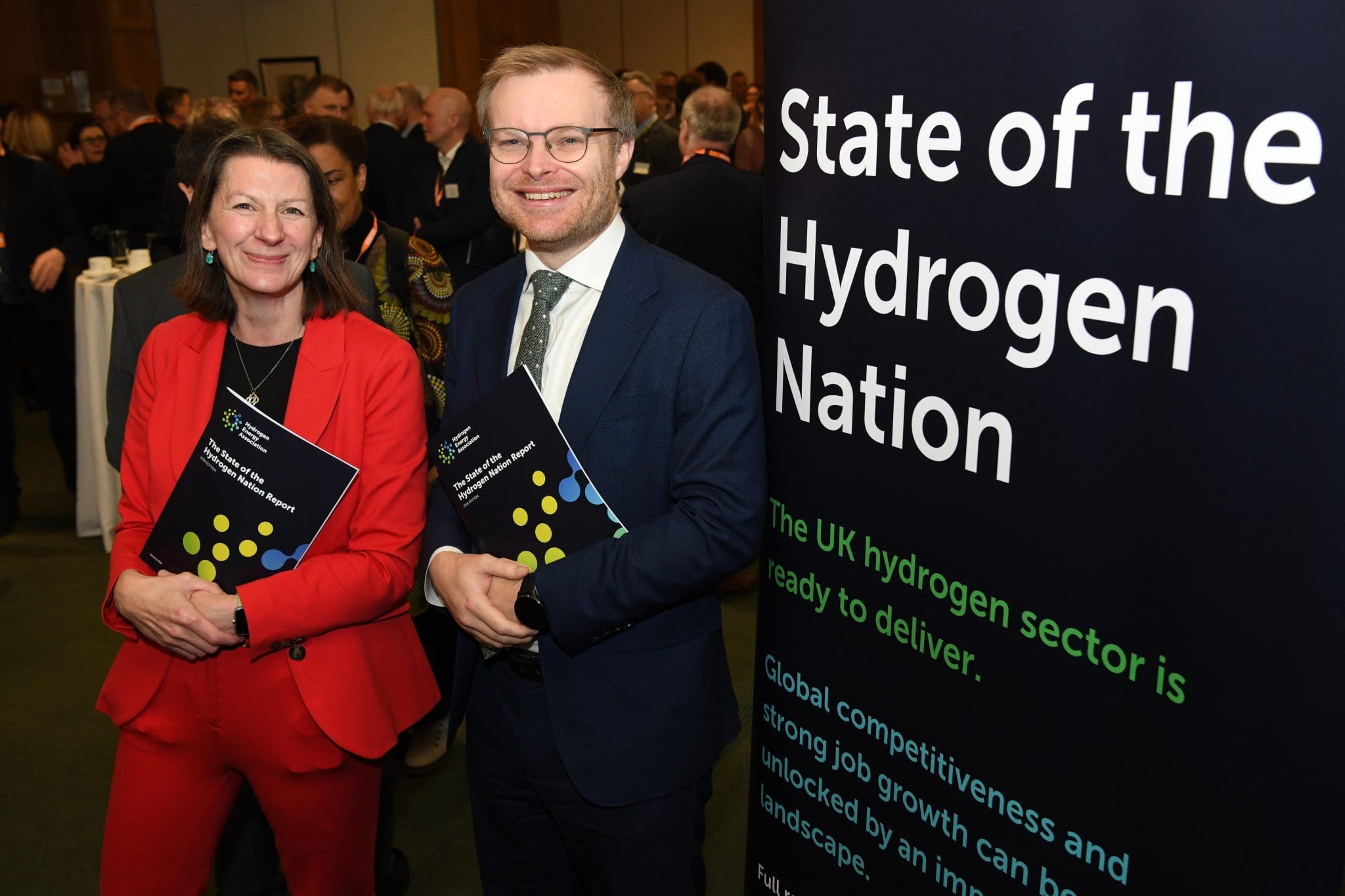
Britain’s booming hydrogen sector is threatening investment, growth and thousands of potential hydrogen jobs, industry leaders say, as they urge ministers to act quickly to prevent further setbacks.
In a joint appeal to government officials, the Hydrogen Energy Association (HEA) called for immediate progress on key policy decisions, warning that continued delays to the government’s hydrogen allocation round and the long-awaited refresh of its hydrogen strategy were undermining confidence at a critical time for global markets.
HEA CEO Dr Emma Guthrie explained: “Hydrogen is not a future opportunity, it is now. The UK has the capacity, the projects and the people. What is missing is pace and co-ordination.”
“The window to lead the global hydrogen economy is still open, but it is closing. Government action in the coming weeks will determine whether the UK seizes this opportunity or cedes ground to competitors.”
Industry dissatisfaction grows over policy delays
Concerns center on outstanding decisions relating to the Second Hydrogen Allocation Round (HAR2), clarity on the Third Hydrogen Allocation Round (HAR3) and the wider update to the UK’s Hydrogen Strategy.
Developers and investors were awaiting confirmation that would allow construction to begin on the project and release supply chain activities.
According to HEA, the long-term uncertainty is starting to have an impact. Businesses are hesitant about final investment decisions, international backers seek more predictable markets, and skilled workers face an uncertain job pipeline.
For a sector that relies heavily on long-term infrastructure planning, clarity from the government is essential.
Without firm signals on timelines and funding mechanisms, the companies say the project risks stalling completely. As a result, capital and talent could move overseas as global competition for hydrogen intensifies.
17,000 hydrogen jobs at risk by 2030
The stakes are high. Industry data compiled by the association suggests that under a supportive and stable policy framework, the sector could support around 17,000 hydrogen-related jobs across the UK by 2030. This figure would mean a fourfold increase in employment compared to current levels.
These hydrogen-related jobs span engineering, construction, manufacturing, infrastructure development, and plant operations. This growth will not be confined to a single region, but clusters will emerge around industrial hubs, ports, and regions that invest in clean energy innovation.
However, HEA cautions that this projected expansion is highly dependent on timely policy implementation. Faster decision-making, clear demand signals and better coordination between government departments are seen as key ingredients to unlock private investment and move projects from planning to reality.
The association also submitted case studies to ministers highlighting projects already facing delays, along with investment and job opportunities that could be lost if momentum wanes.
Global competition intensifies
The warning comes at a crucial moment. Countries in Europe, North America and Asia are accelerating their hydrogen strategies, backed by significant public funding and streamlined regulatory frameworks.
Hydrogen is widely seen as the next frontier for the UK, which has established itself as a leader in offshore wind and clean energy innovation. It has the potential to decarbonize heavy industry, support flexible power generation and strengthen energy security.
But industry representatives say they are unable to provide leadership. In markets where investors can choose their jurisdiction, policy certainty is often the deciding factor.
Why growing the UK hydrogen industry is essential
Expanding the hydrogen industry has implications beyond climate change goals. This represents a strategic economic opportunity.
First, hydrogen jobs tend to be high-value, skilled roles that support local supply chains and advanced manufacturing.
Many of these work closely with the expertise already found in the UK’s oil and gas, chemicals and heavy industry sectors, providing a pathway to workforce transition as the country moves towards net zero.
Second, a strong domestic hydrogen market could reduce dependence on imported fuel. As geopolitical instability continues to shape global energy markets, producing low-carbon hydrogen at scale could strengthen energy resilience and protect consumers from price shocks.
Third, this industry can stimulate regional growth. Hydrogen production and infrastructure projects are often based in industrial hubs, contributing to the regeneration of regions that have historically relied on carbon-intensive industries.
In other words, hydrogen is an opportunity for industrial strategy. If we fail to foster it, we risk losing both our climate leadership and our economic advantage.
A call for concerted government action
HEA is calling for cross-sectoral coordination to accelerate progress on the allocation round and complete the refresh of the hydrogen strategy. Industry leaders argue that fragmented decision-making and slow timelines are hindering the sector’s efforts to scale up.
Global demand for clean hydrogen is expected to increase rapidly over the next decade, and the coming months are believed to be decisive.
The direction the government takes now could determine whether the UK becomes a hub for hydrogen-related jobs and investment, or whether we watch the opportunities move elsewhere.
Source link

