
UK backs new technology, gives cutting-edge medical equipment a major boost
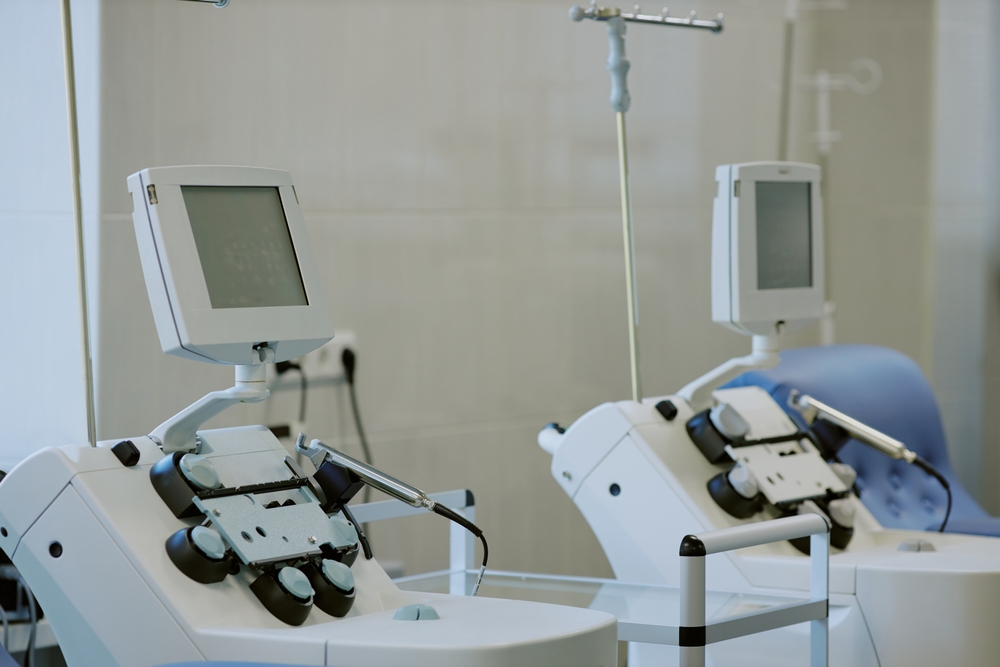
Patients in the UK could be the first in the world to benefit from ground-breaking medical devices as clinical research reaches record levels in 2025.
More companies are choosing the UK to test cutting-edge medical devices, with a 17% increase in approved clinical studies compared to last year, new figures from the Medicines and Healthcare products Regulatory Agency (MHRA) show.
The MHRA is also rolling out new measures to support innovation and remove barriers for small businesses. This includes fee-waiving testing, early market access for promising devices, and increased support for high-impact technologies.
For patients, this means earlier access to potentially life-changing technology. It provides the NHS with a better tool to diagnose disease, manage long-term illness and provide more accurate treatment.
MHRA Chief Executive Lawrence Tallon said: “This has been a remarkable year for medical device innovation in the UK. Some of the world’s most exciting technologies are here first, particularly in areas such as brain health where patients urgently need better options.”
“We are now focused on championing the most innovative ideas, eliminating unnecessary barriers and helping companies move faster, while keeping patient safety at the heart of everything we do.”
New medical devices needed to deal with the most difficult diseases
The growth of technology-enabled medical devices reflects the global race to address some of the most challenging health conditions.
Dementia, Parkinson’s disease and epilepsy are driving huge investment in neurotechnology, with research in this area doubling since 2024 and accounting for around a quarter of all UK applications.
Recent approvals include a feasibility study exploring whether deep brain stimulation can help treat addiction, and a first-in-human pediatric study led by Great Ormond Street Hospital, University College London and the University of Oxford to test a rechargeable brain stimulator designed to reduce seizure frequency in children with severe, treatment-resistant epilepsy.
AI will play a key role in new devices
AI-powered medical devices are also proliferating, including tools that scan medical images to detect disease early, guide treatment decisions, and personalize care.
New research includes digital tools to adjust treatment in real time, such as an app to help patients with chronic obstructive pulmonary disease manage their condition, while providing clinicians with better information to personalize treatment.
Research into advanced eye technology is also increasing as companies test new ways to protect and restore vision.
These advances mean faster diagnosis, more accurate treatment, and earlier access to breakthrough discoveries for patients.
Devices could work in harmony with the brain
In a further boost to one of the fastest growing sectors, the MHRA has announced updates to its national guidance on neurotechnology research as part of a UK-wide partnership led by Newcastle University.
This will allow clinicians, researchers, and companies to more quickly and clearly begin research into devices that interact with the brain and nervous system.
Remove barriers and improve access to cutting-edge medical equipment
Businesses want speed, certainty and expertise, and this is what the UK offers.
The MHRA has been 100% compliant with statutory deadlines for clinical investigation applications since September 2023, with the average approval time for clinical investigations in 2025 being 51 days, nine days ahead of the target of 60 days.
Researchers receive consistent, high-quality advice from experts, along with practical scientific support to design safer and more robust research.
To build on this momentum, the MHRA is currently rolling out a series of measures to support the most innovative technologies and reduce barriers for small businesses.
Additionally, the MHRA is waiving fees for small and medium-sized businesses in the UK from January 2026 in a pilot scheme to help uncover ideas that are likely to be stalled due to early costs.
“We have expanded our expert advice conferences on complex technologies such as neurotechnology, cardiac devices, surgical robotics and artificial intelligence,” concluded Mark Grumbridge, MHRA’s Director of Clinical Research.
“We are open to developers to join us early to help turn promising concepts into real-world clinical studies.”
Source link

