


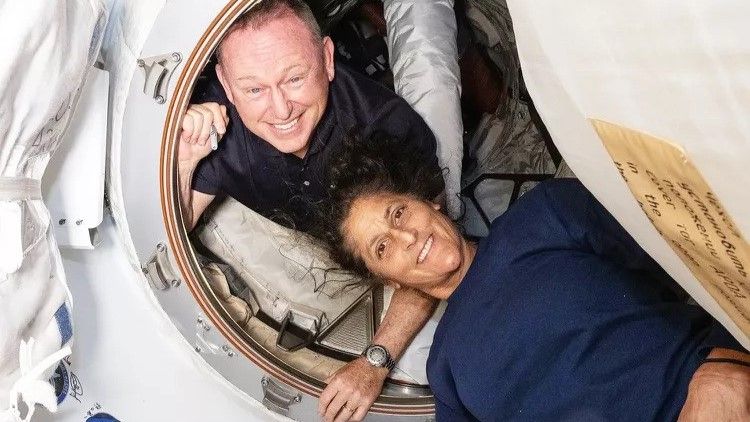
NASA has placed Boeing’s failed 2024 Starliner capsule test flight in the same category as the Challenger and Columbia shuttle disasters and the Apollo 13 mission, according to a new report released by the agency.
The space agency has classified the failed flight, which left two NASA astronauts unexpectedly stranded in space for nine months between 2024 and 2025, as a Type A accident, the strictest classification under NASA’s safety management system.
you may like
Key findings in the 282-page report are criticisms of flawed engineering, lax oversight and poor coordination among mission leaders. Nevertheless, NASA said it will continue testing Starliner in collaboration with Boeing, with the goal of returning Starliner to crewed flight within the next few years.
“The most troubling failure revealed in this investigation is not the hardware; it is a leadership decision that, if left unchecked, could create a culture incompatible with human spaceflight,” NASA Administrator Jared Isaacman said at a press conference today (February 19). “To be clear, NASA will not place any new crew members aboard Starliner until the technical cause is determined and corrected.”
Isaacman, who became NASA administrator on Dec. 17, 2025 but was not at the agency during the mission, said the Starliner experiment should have been declared a Type A accident more than a year ago when it became clear that a defect in the spacecraft’s thrusters put the crew at risk. “The record is currently being corrected,” he added. “Leaders will be held accountable.”
doomed from the beginning
Starliner’s woes began shortly after it launched its first crewed test flight from Cape Canaveral Space Force Station in Florida on June 5, 2024. After the spacecraft entered orbit, a number of defects emerged, including five helium leaks and five failures of the reaction control system (RCS) thrusters.
This required engineers to troubleshoot the problem from the ground. Tests conducted at Starliner’s White Sands, New Mexico, facility found that during the spacecraft’s ascent to the International Space Station (ISS), the Teflon seals in the five defective RCS thrusters became hot enough to bulge out of place, likely blocking propellant flow, NASA said.
NASA and Boeing’s tests lasted days, weeks, or even months as the flight’s astronauts, Butch Wilmore and Suni Williams, remained stranded on the ISS.
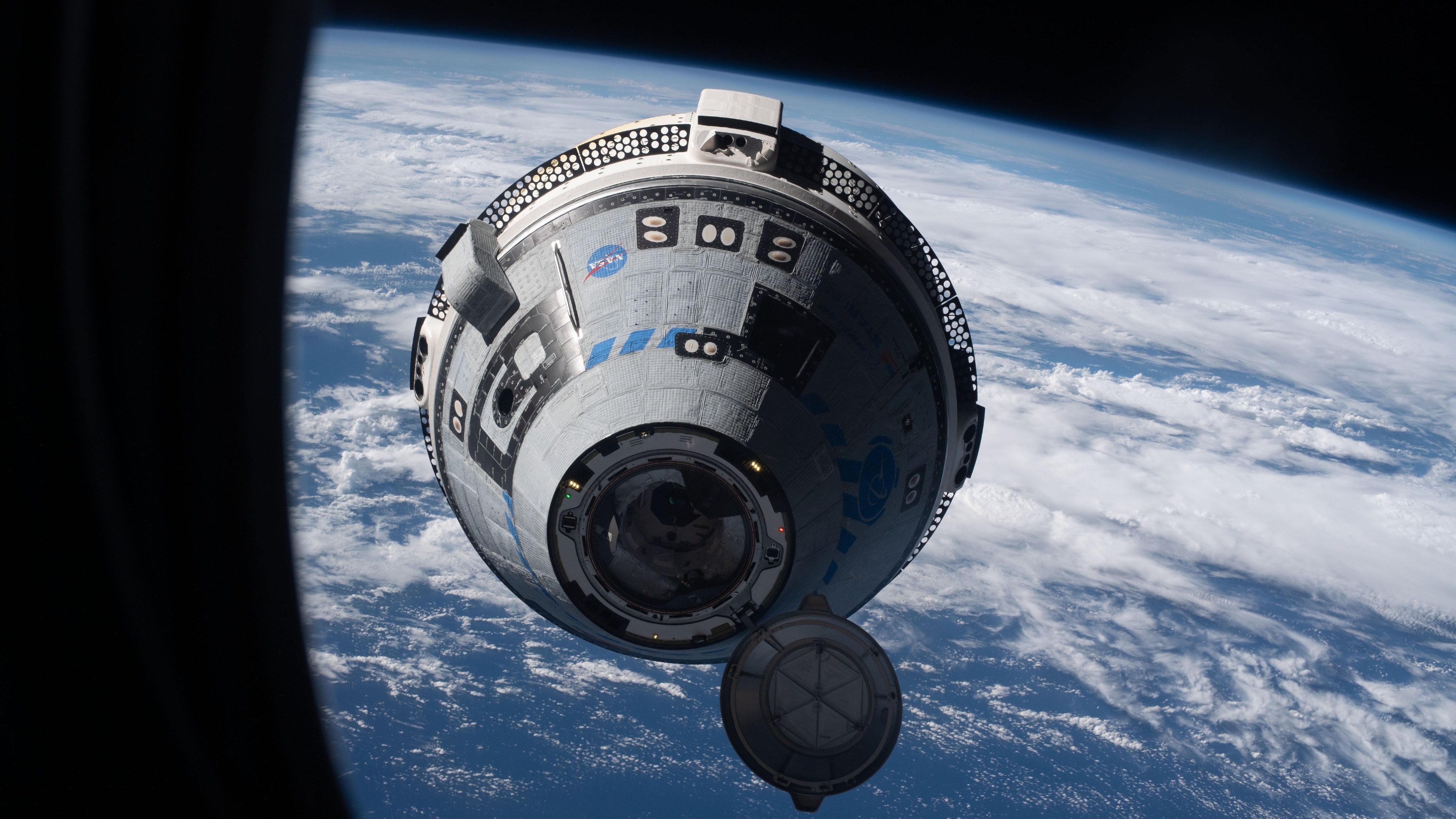
A high-temperature burn test conducted while the spacecraft was docked at the ISS on July 27, 2024, showed that thrust had returned to normal levels, but NASA engineers remained concerned that the problem could reoccur during the spacecraft’s descent back to Earth. They also feared the helium leak could cause some of the Orbital Maneuvering and Attitude Control System (OMAC) thrusters that keep the spacecraft on a safe flight path to fail.
you may like
NASA has announced plans to return Boeing’s defective plane without its crew by late August. Wilmore and Williams’ stay in space was originally scheduled to last eight days, but it lasted 286 days before being recovered by SpaceX’s Dragon capsule, which crashed on March 18, 2025.
What’s next?
Boeing built the Starliner capsule as part of NASA’s commercial crew program to carry astronauts to low-Earth orbit after NASA’s Space Shuttle was retired in 2011. As of last year, the company was running a deficit of about $2 billion as it dealt with numerous setbacks in Starliner development.
Despite this scathing report, Isaacman said the space agency will continue to work with Boeing to resolve Starliner’s problems and return it to crewed flight, adding that “the United States benefits from having multiple ways to get crew and cargo into orbit.” NASA and Boeing are continuing to test Starliner’s RCS thrusters at White Sands Space Harbor in New Mexico, and plan to begin cargo-only Starliner missions to the ISS as early as April.
The report comes at a time of increased scrutiny of NASA as it prepares to launch its Artemis II crewed mission to the moon. Boeing was the prime contractor for the core stage of the space launch system used on the Artemis mission, and was responsible for designing, developing and testing the giant orange fuselage that houses the rocket’s first engine.
“Pretending that unpleasant situations did not occur teaches the wrong lesson,” Isaacman said. “Failure to learn leads to failure again, suggesting that failure is an option in human spaceflight, but it is not.”