
Strengthening the human-animal bond to improve health for all
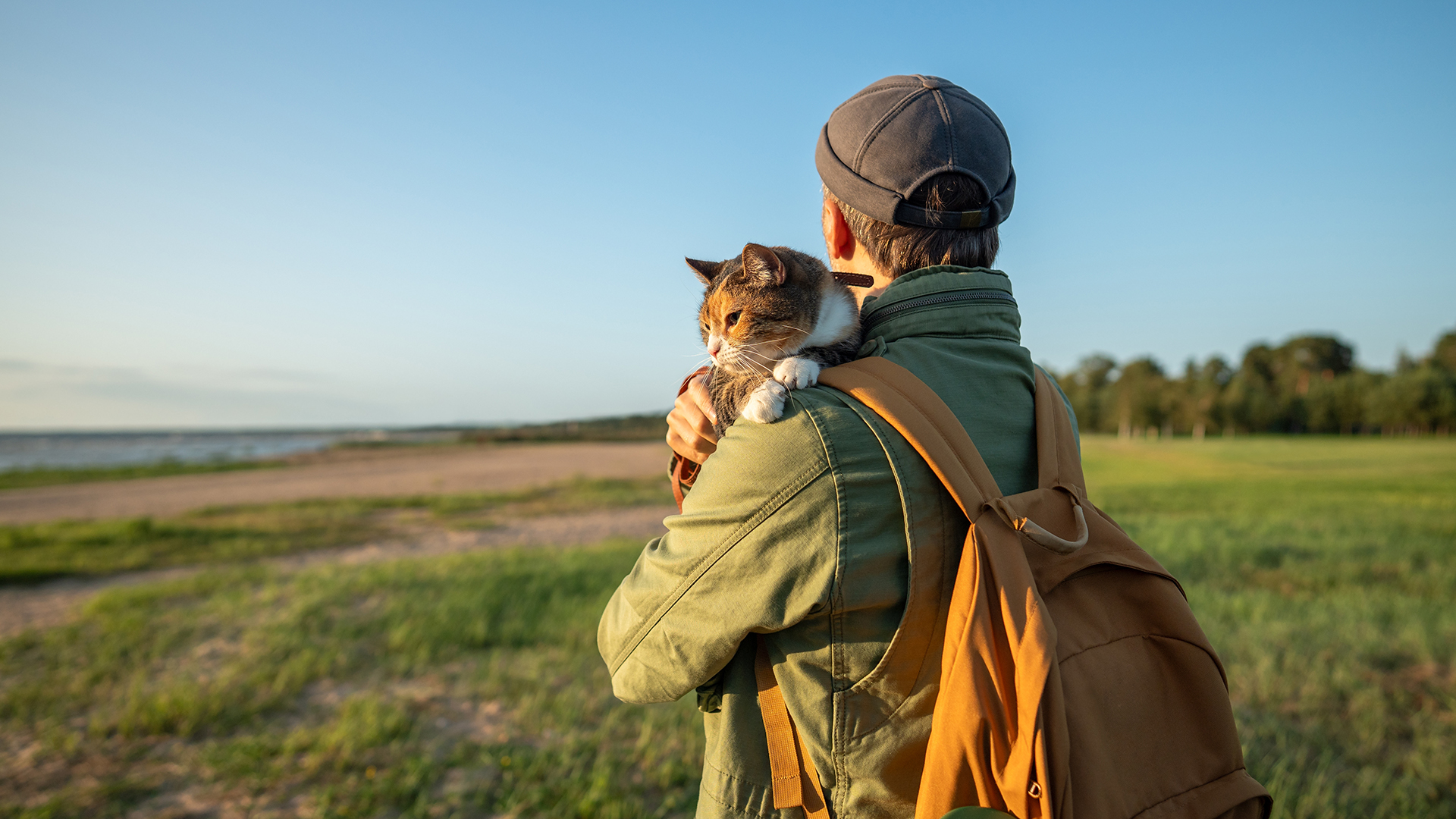
Sarah Endersby from Ceva Animal Health explains how bonding with your pet can improve not just their health, but your own.
The human-animal bond is one of the strongest emotional connections humans can have with other living things. Animals and humans have a two-way relationship, a deep connection that improves the lives of both parties. Therefore, it is natural that humans dedicate their lives to maintaining the health of their pets with the help of veterinarians.
Why is the human-animal bond important?
The human-animal bond is universally valued and recognized among pet owners. A study by the Human Animal Bond Research Institute found that 95% of pet owners believe their pets are part of the family. To care for these beloved family members, 86% say they will pay whatever it takes to ensure their pet’s health, and 76% say they are not afraid to make major changes in their lives for the benefit of their pet.

These sacrifices are mutually beneficial, as pet ownership is strongly linked to improved human health. Pets provide steady companionship and can alleviate feelings of loneliness and isolation. The presence of a pet encourages physical activity, such as daily walks and playful interactions. The act of caring for a pet can instill a sense of purpose and routine, which is beneficial for mental health.
Pets are also known to reduce stress and anxiety, as their calming presence and unconditional love provide emotional support. Overall, the bond between humans and pets fosters a nurturing and fulfilling relationship that improves the quality of life for both.
Needless to say, strong human-animal bonds encourage owners to provide better care for their pets, increasing their welfare while fostering greater empathy for animals of all kinds.
How pets grow through connections with people
The human-pet bond has many benefits for your pet, increasing their overall well-being and quality of life. This relationship provides a sense of security and stability for your pet, as they receive consistent care, affection, and companionship from their humans, while also stimulating their mental and physical health. Pets play and exercise regularly, which is very important for their development and well-being. Additionally, the emotional connection with humans reduces stress and anxiety, resulting in a more relaxed and contented attitude.
Overall, the human-pet bond fosters a nurturing environment where pets can feel loved.
How can humans support pets to strengthen this bond?
Strengthening the human-pet bond requires paying close attention and understanding your pet’s needs. Consistent loving attention is important for your pet to feel safe and valued, but regular play and exercise are also essential. It not only helps maintain physical health but also builds trust and peer relationships.
Considering and respecting your pet’s individuality and boundaries is another important aspect of the relationship, as it promotes mutual respect and comfort. Understanding what each pet perceives and how it behaves will help you find suitable solutions to improve health and adapt to modern life. It starts with pet owners creating a calm, reassuring environment that reduces signs of stress and anxiety in dogs and cats, allowing everyone under the same roof to coexist more peacefully, whether human or animal. In some cases, science can also help. Products that mimic natural pheromones can play a valuable role in supporting positive behavior in pets.
Additionally, maintaining a healthy diet and regular veterinary visits will ensure your pet’s health, while training and socialization will enhance communication and understanding, making interactions more fun and enriching.
By investing time and effort into each of these aspects, pet owners can build strong, lasting bonds with their furry friends that are rooted in love and mutual respect, allowing both humans and animals to live happier, healthier lives. When people truly understand the importance of the human-animal bond, they are more likely to provide sensitive care, follow veterinarian advice, and ultimately improve the overall health of animals.
This article will be published in an upcoming Special Focus Publication on Animal Health.
Source link

