


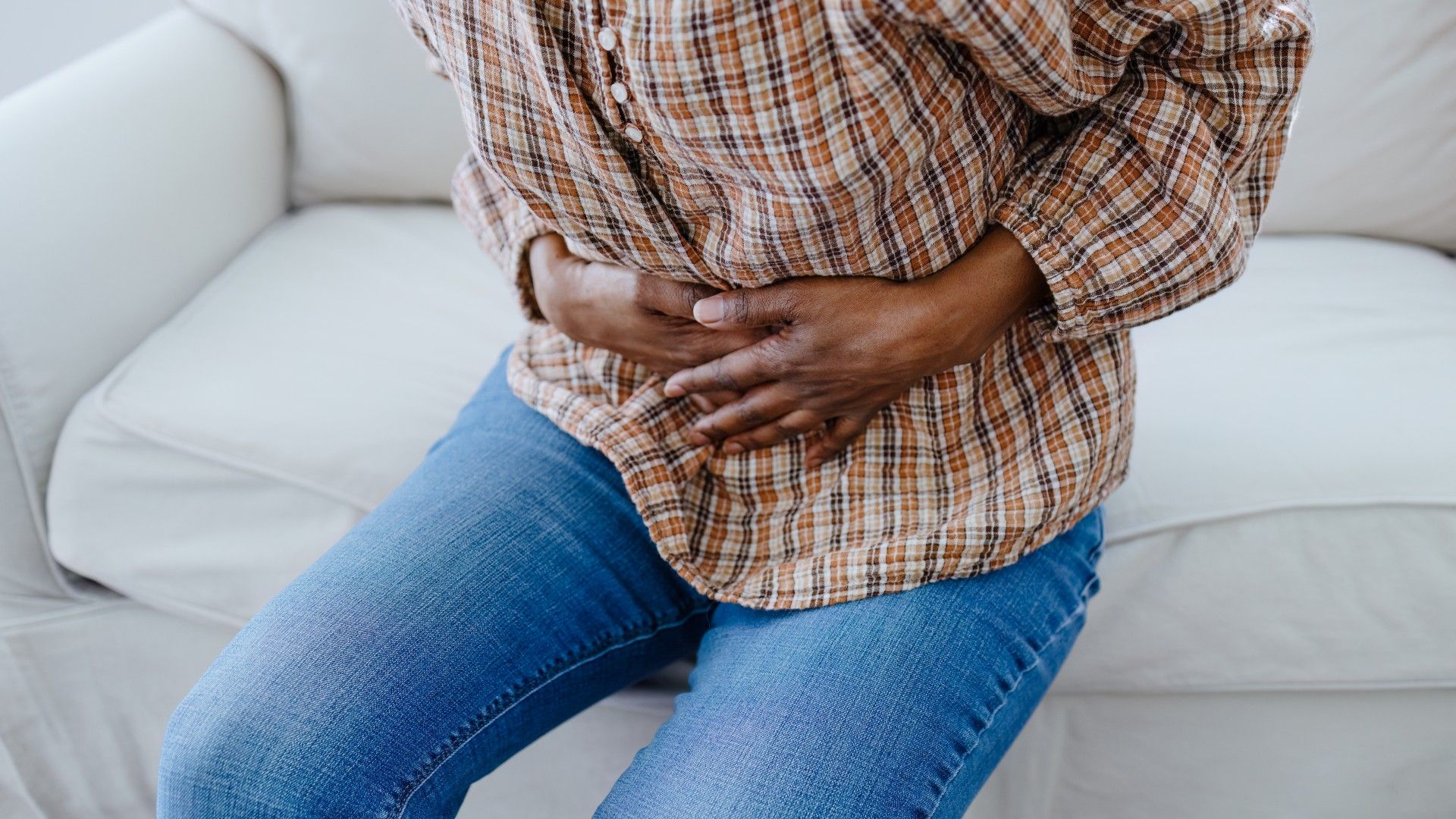
Pain is something most people experience after an injury such as an ankle sprain, surgery, or car accident. The pain usually goes away as the body heals. However, symptoms can last longer in women than in men, and women are more likely to develop chronic pain.
For decades, differences in pain between men and women were often attributed to psychological, emotional, or social factors. Therefore, persistent pain in women is often overlooked in care.
you may like
However, recent research from my lab and others suggests that immune cells may also be important in helping resolve pain, and that differences in the function of these cells between men and women may influence how quickly pain disappears.
hormones and immune cells
I’m a neuroimmunologist who studies how the nervous and immune systems communicate. My research team aims to understand why pain persists long after a wound has healed and eventually becomes chronic.
To study this process, we combined experiments in mice with data from people involved in car accidents. This type of injury is a common trigger for long-term musculoskeletal pain, making it an ideal situation to study how acute pain becomes chronic.
We zeroed in on a particular molecule called interleukin-10, which helps reduce inflammation, and measured its levels both in mice after a skin injury and in people in the emergency room after a car accident. Surprisingly, we found that IL-10 does more than just reduce inflammation. It also communicates directly with pain-sensing nerve cells to switch them off. In other words, IL-10 helps relieve pain.
We determined that the majority of IL-10 is produced by a type of immune cell called a monocyte, which circulates in the blood and migrates to damaged tissue.

They found that in both mice and humans, males tend to recover from pain faster than females. The reason seems to be the behavior of monocytes after injury. In men, these immune cells were more likely to produce IL-10, a molecule that helps relieve pain. In women, this response was less pronounced.
Importantly, we also found that testosterone influenced the amount of IL-10 produced by these immune cells. High testosterone levels in men stimulated the production of IL-10 by monocytes.
you may like
This finding suggests that hormonal signals may shape the body’s ability to naturally eliminate pain after injury.
path of treatment
Our findings demonstrate a shift in the way scientists think about pain. Rather than viewing the immune system solely as a cause of pain, it may also play an important role in resolving pain. Differences in immune cell function may explain why some people recover faster from injury while others continue to develop chronic pain.
Understanding these biological pathways may ultimately lead to new treatments. Rather than simply blocking pain signals, future treatments may aim to enhance the body’s own pain resolution systems. If immune cells can more effectively calm pain-sensing neurons, they may be able to restore comfort more quickly after injury.
Although further research is needed, these results highlight a promising new direction in the prevention and treatment of chronic pain and in efforts to improve our understanding of sex differences in pain.
This edited article is republished from The Conversation under a Creative Commons license. Read the original article.