
Chemically treated Harakeke removes PFAS from water
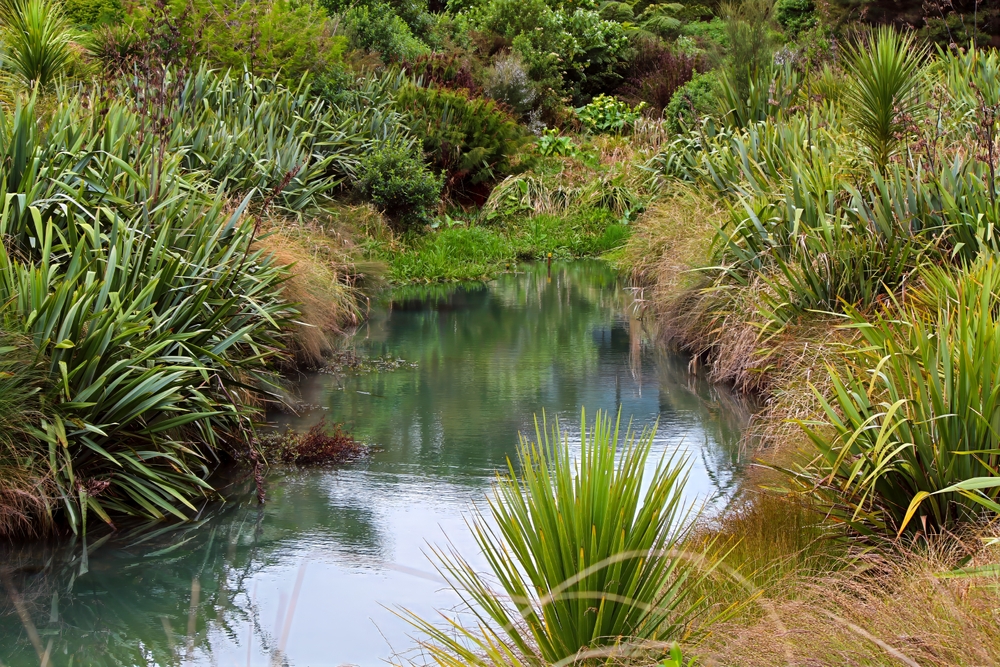
Harakeke, a New Zealand taonga plant, holds promise as a treatment to remove PFAS from drinking water.
In laboratory experiments at the University of Auckland’s Waipapa Taumata Rau, chemically treated Harakeke outperformed other water treatment methods tested.
“Our findings suggest that it may be possible to develop a cost-effective PFAS treatment approach based on this native plant,” said Dr. Lokesh Padhi, associate director of emerging contaminant research at the New York State Clean Water Technology Center.
“There is still work to be done, but this is especially promising given the sustainability and availability of the materials.”
The scale of the PFAS problem
These chemicals, known as per- and polyfluoroalkyl substances (PFAS), are one of the biggest environmental challenges.
PFAS have been linked to cancer and reduced fertility and are present in the blood of humans and animals around the world.
PFAS are notoriously difficult to remove because they are difficult to break down.
Harakeke’s amazing versatility over the years
Professor Melanie Kerr from Waipapa Taumata Rau School of the Environment commented: “Capturing the chemicals permanently will only further extend the story of Harakeke’s amazing versatility.”
Before colonization, indigenous Maori people used harakeke fibers to make baskets, ropes, clothing, mats, bird deterrents, fishing nets and more. Honey as a sweetener. Dried flower stalks for rafts. Sap as medicine. Root sap is used as a disinfectant.
Chemically treated Harakeke breaks down the most difficult PFAS
“In the lab, chemically treated Harakeke fibers removed five PFASs from water, including the three short-chain PFASs that are the most difficult to remove,” said Shailja Data, a doctoral student who conducted the experiment.
In the Harakeke experiment, a small container contained contaminated water and treated Harakeke thread, which had been chemically treated to attract PFAS.
Mechanically shaking the container for 24 hours removed 70% to 99% of individual short-chain PFAS, outperforming other materials tested in the study.
“The strength of plant fibers is a big advantage; they don’t fall apart easily,” Data added.
Find alternatives to PFAS
The PFAS project is a collaboration between environmental, engineering, materials, and chemistry scientists from universities around the world.
Associate Professor Erin Leitao, a materials scientist in the Department of Chemistry, is also a co-author of the experimental paper and is leading research into alternatives to permanent chemicals.
“Working with chemicals forever is a daunting task, but it must be done,” she says.
Source link

