



Today’s top news
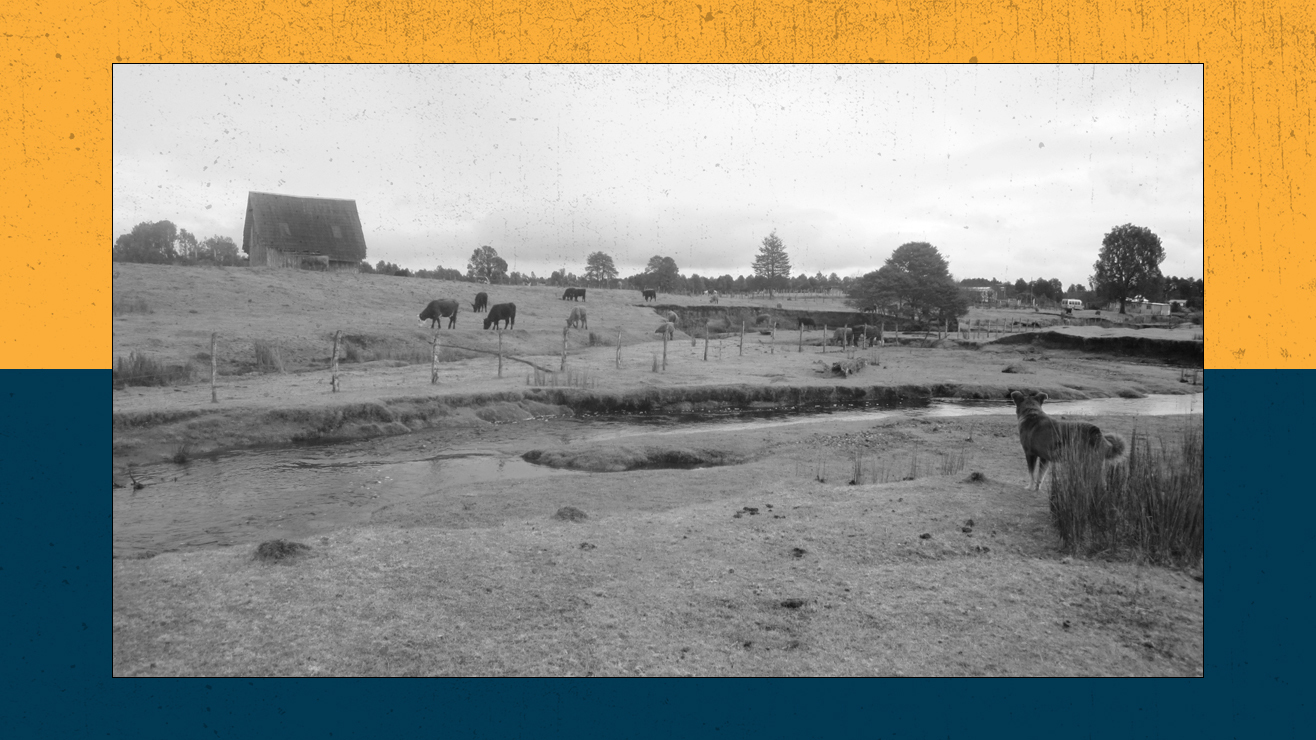
An important archaeological site in Chile may be thousands of years older than originally thought, according to controversial research that threatens to rewrite the earliest history of human settlement in South America.
Monte Verde, a Paleolithic site in the mountains of southern Chile, is one of the oldest human settlements in the Americas and is believed to be 14,500 years old. Because the site predates the arrival of the Clovis people through North America by 1,500 years, its discovery in 1976 fundamentally changed the way archaeologists viewed the arrival of the first Americans on the continent.
But a new study claims the site could be more than 10,000 years younger than first thought, potentially completely overturning commonly accepted understanding of the site and prehistoric migration patterns. But other experts called the new paper a “grossly inadequate geological study.”
trend

A historic heatwave is sweeping the American West this week, on track to set monthly records in more than 140 cities from California to the Plains.
And that’s far from normal temperatures. A high of 110 degrees Fahrenheit (43 degrees Celsius) was recorded in Arizona’s Lake Martinez desert region, breaking the record for the highest March temperature ever recorded in the United States.
Some scientists say Earth’s increasingly extreme weather is a sign of accelerating human-induced climate change. This debate coincides with the Iran war and is already causing American consumers to reconsider their relationship with oil.
3 books to read
Scientists witness the birth of one of the strongest magnets in the universe for the first time thanks to a ‘magic trick’ of general relativity [Live Science]Carbon dioxide concentrations are higher than any humankind has ever experienced. It may be changing our blood chemistry [CNN]Mathematician wins 2026 Abel Prize for solving 60-year-old mystery [New Scientist]
video of the day

watch on
Chinese scientists have developed a system that teaches humanoid robots movement skills based on fragmented human data. And they used it to train androids to play tennis.
The study, which has not yet been peer-reviewed, said the robot could not yet play against professional players, but had a 96.5% return rate in its best performance.
said, said
word of the day
Metis — Greek for “wisdom” and the name of Zeus’ first wife and advisor. Helping Zeus escape from the stomach of his father Kronos, and knowing that she would give birth to a son stronger than him, Zeus repaid the favor by making Zeus swallow his spit.
Metis, already pregnant with Athena, the goddess of wisdom, helped her daughter escape from the forehead of Zeus. The birth of Athena is depicted in a marble sculpture on the Acropolis, fragments of which have been found near the remains of a shipwreck at the bottom of the Aegean Sea.
quote of the day
“Thermodynamics tells us what is possible and what is not possible if the laws of the universe are as we think they are. So far, in four centuries of science, no one has been able to prove that the laws of thermodynamics are correct.” [do not apply]. ”
Angel Cuesta Sisker, professor of electrochemistry and physical chemistry at the University of Aberdeen in Scotland, explains why the discovery of “dark oxygen” on the ocean floor is unlikely.
fun and games
The archaeological community is once again embroiled in a heated debate over the chronology of the first settlements in the Americas. But how much do you know about the people who got there first? Test your knowledge with this quiz.
Follow Live Science on social media
Want more science news? Follow our Live Science WhatsApp channel to keep up with the latest discoveries. It’s the best way to get expert reporting on the go, but even if you don’t use WhatsApp, you can use Facebook, X (formerly Twitter), Flipboard, Instagram, TikTok, YouTube, Bluesky, and LinkedIn.