
Sam Altman-backed fusion startup Helion is in talks to sell power to OpenAI
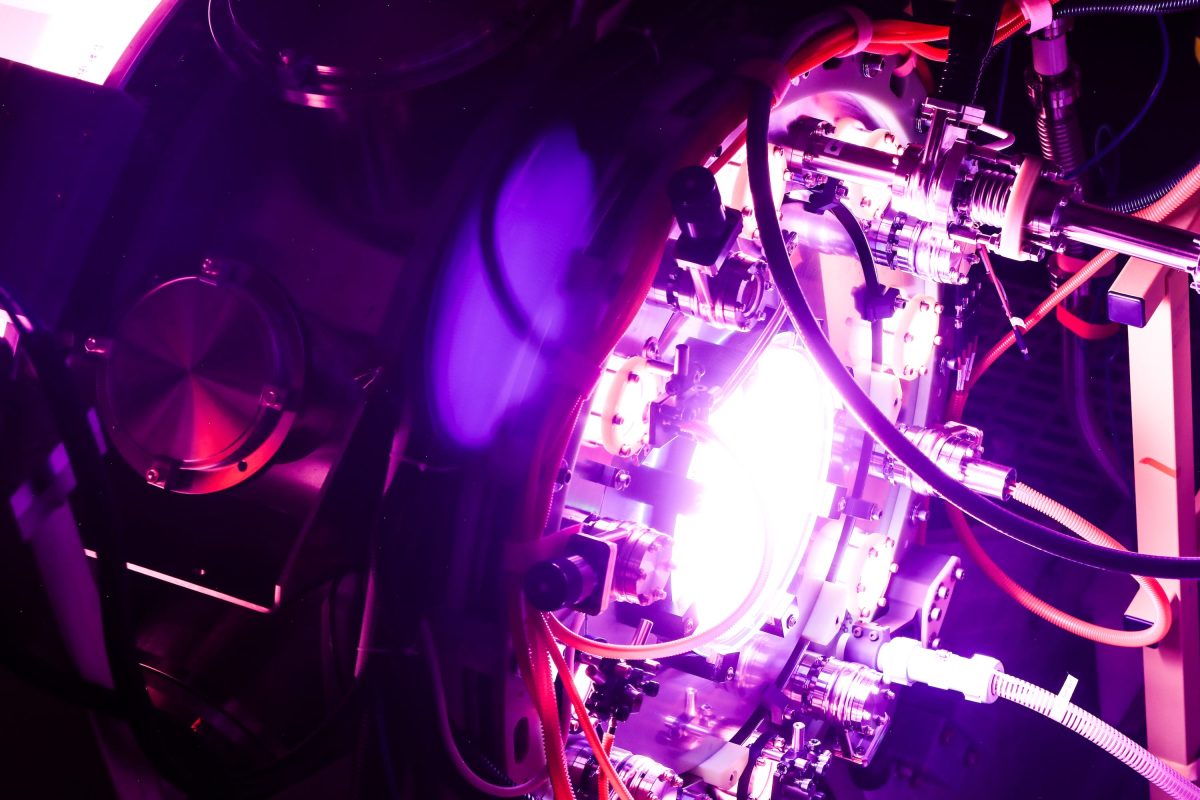
OpenAI CEO Sam Altman is stepping down as chairman of the board of Helion, the fusion startup he backs, amid reported negotiations between the two companies.
The deal, reported by Axios, is in its early stages and could see OpenAI guaranteeing 12.5% of Helion’s production: 5 gigawatts by 2030 and 50 gigawatts by 2035. OpenAI partner Microsoft signed a similar agreement with Helion in 2023 to purchase power starting in 2028.
If the numbers in the Axios report prove accurate, they suggest Helion expects to quickly scale up production of its fusion power plants. The company says each reactor will generate 50 megawatts of electricity. This means that 800 nuclear reactors will need to be built and installed by 2030, and an additional 7,200 by 2035.
Helion did not say whether negotiations with OpenAI were ongoing. A spokesperson told TechCrunch that the company has not announced any new customer deals beyond the deals it already has with Microsoft and Nucor. However, the company confirmed to TechCrunch that Altman will step down as chairman of Helion’s board, suggesting the two companies may eventually work together.
“Sam is stepping down from Helion’s board of directors after more than a decade. This decision enables Helion and OpenAI to partner on future opportunities to bring zero-carbon, secure electricity to the world,” company co-founder and CEO David Kirtley told TechCrunch in a statement. “We look forward to continuing to work with him in this new capacity.”
By then, Helion is rushing to build its first commercial-scale nuclear reactor. If the startup succeeds, it will be years ahead of its competitors, which are primarily targeting commercial operation in the early 2030s.
The startup raised $425 million last year from investors including Altman and companies like Mithril, Lightspeed, and SoftBank.
Most fusion startups pursue one of two approaches: recovering heat from the fusion reaction or converting the heat into electricity using steam turbines. Helion is taking a different tack, developing a reactor design that uses magnets to convert fusion energy into electricity.
tech crunch event
San Francisco, California
|
October 13-15, 2026
Inside an hourglass-shaped reactor, fusion fuel first turns into plasma at each end and is shot towards each other using a magnetic field. When they collide in the center, another set of magnets compresses the fused plasma balls until fusion occurs. This reaction pushes the magnet back and converts its energy directly into electricity.
Helion is currently operating a Polaris prototype ahead of transition to commercial power. In February, the company created a plasma inside its reactor that reached temperatures of 150 million degrees Celsius, almost reaching the 200 million degrees Celsius it believes is necessary for commercial operation.
Although Altman has reportedly stepped down as Helion board chairman and withdrawn from discussions, his fingerprints are all over matchmaking.
Mr. Altman last year resigned as chairman of the board of Oklo, a small modular nuclear reactor startup that merged with acquisition company AltC. “This move was intended to allow Oklo to explore strategic partnerships with leading AI companies, potentially including a partnership with OpenAI,” Oklo co-founder and chief operating officer Caroline Cochran said in a statement given to CNBC at the time.
Updated at 1:30 PM ET: Added confirmation from Helion regarding Mr. Altman’s resignation as Chairman of the Board.
Source link

