
MHRA supports the abolition of animal testing with technology development
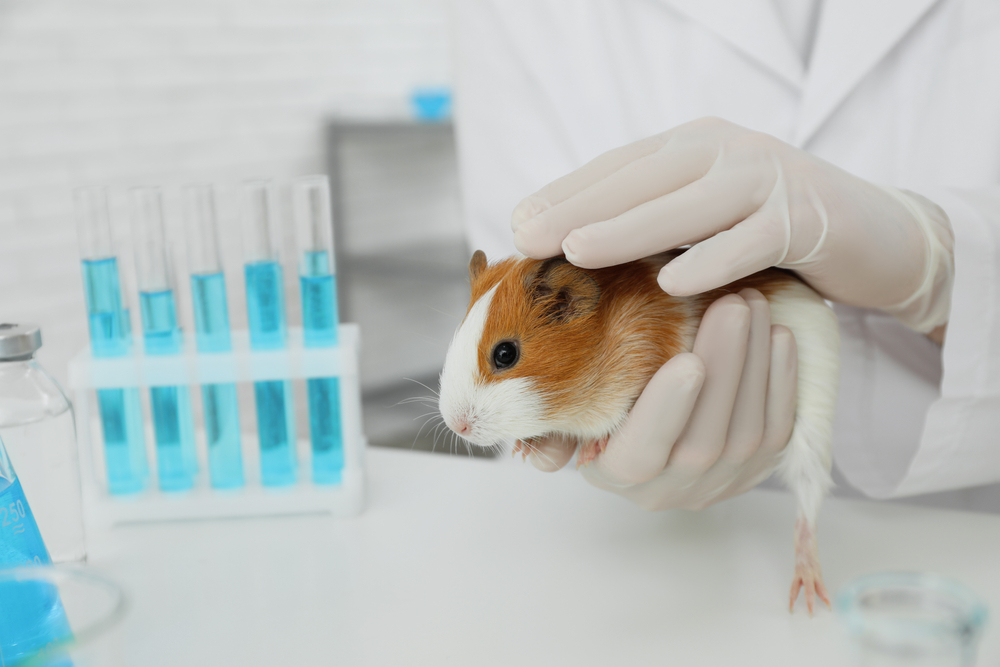
The MHRA has taken decisive action to phase out animal testing by helping developers make better use of New Approach Methodology (NAM).
By providing an early review of non-animal data and clarity on how it is evaluated, this initiative will give developers greater confidence when developing marketing applications based on evidence generated without animal testing.
The move supports the UK Government’s long-term strategy to reduce the use of animals in drug development, where complete elimination is not yet possible, and to ensure that medicines continue to meet stringent safety standards.
Julian Beech, MHRA’s Interim Executive Director for Healthcare Quality and Access, explained: “A clearer regulatory route for medicines developed without animal testing will accelerate the transition to modern predictive science and support the Government’s strategy to reduce and ultimately replace animals in research.”
“Advances such as AI-powered analysis and human-derived cell models have meant that some drugs no longer require animal testing to demonstrate safety and efficacy.”
Phasing out animal testing in the pharmaceutical industry
Reliable and effective alternatives are needed to phase out the use of animals in science and product development.
The use of animal experiments was previously thought to be essential for providing insight into biology and disease, and for protecting humans and the wider environment.
However, recently there has been an increase in the development of new technological methods to replace the use of animals.
Now, new advances in technology, particularly AI and genomics, but also organoids and 3D cellular systems, are finally on the horizon to change science’s reliance on animals.
The UK Government continues to implement its long-term strategy. However, he acknowledges that some animal studies will still be needed because there are no alternatives in certain regions.
Clearer principles for new era drug development
Although each application is evaluated on a case-by-case basis, taking into account the totality of the evidence presented and the proposed clinical use, the guidance sets out general regulatory principles.
Generic/biosimilar products or medicines that are not pharmacologically active in animals should not be tested on animals. Toxicity testing of biological products in animals should only be performed in species that have been shown to be pharmacologically relevant. Products with well-recognized pharmacological profiles may enter UK clinical trials without undergoing animal testing. Products with novel pharmacological effects must be tested in animals according to international guidelines. Products that cannot be tested for efficacy in clinical trials, such as vaccines against some emerging pandemic infections, must be tested on animals.
“Our proposal to review research data before a full marketing application is intended to enable researchers adopting these approaches to build the strong evidence needed to demonstrate safety and efficacy,” Beach commented.
Review data to find the safest way to develop drugs
To support the use of NAM and reduce the perceived risks of animal-free approaches, the MHRA is committed to reviewing preliminary data from drug trials using non-animal models.
By the end of 2026, companies that develop products without animal testing will be able to have their marketing authorization applications reviewed by the MHRA in module 4 in advance.
The MHRA will carry out a further review in consultation with the Human Medicines Committee and will approve or refuse the application, providing reasons for any refusal.
Source link

