
Inside Europe’s single-use plastics directive
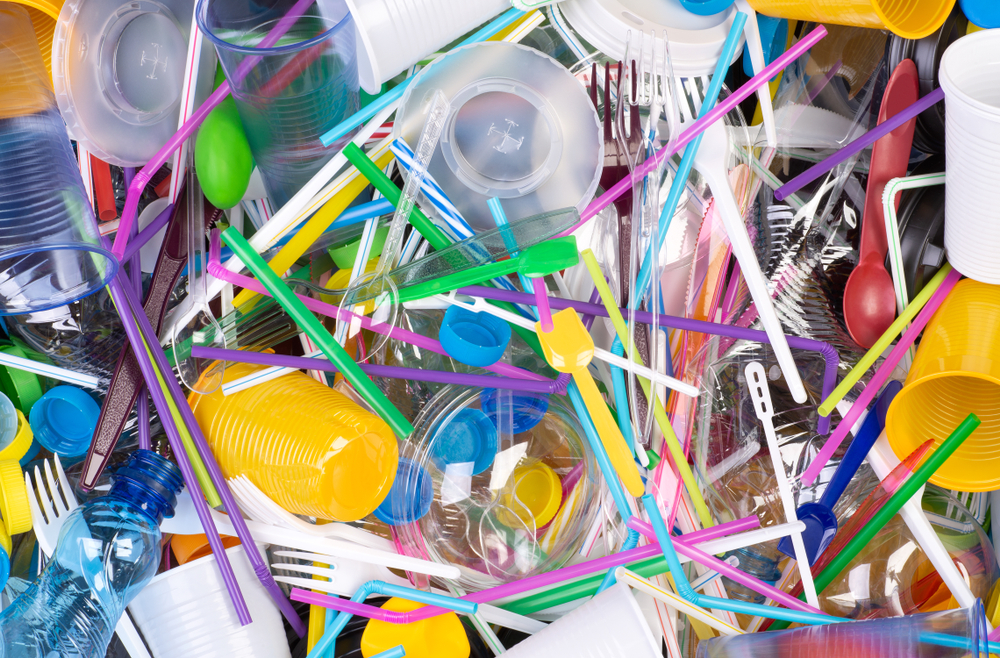
Plastic is so ingrained in modern life that it often goes unnoticed.
From takeaway coffee lids to food packaging to cigarette filters, many everyday items are designed to be used once and then discarded within minutes. The environmental costs of this convenience can no longer be ignored.
In response, the European Union introduced the Single-Use Plastics Directive, a comprehensive policy aimed at reducing plastic waste and accelerating the transition to more sustainable alternatives.
What is single-use plastic?
Single-use plastics are products made entirely or partially of plastic that are intended to be used only once or for a very short period of time before being discarded.
Unlike durable plastics that can last for years, these items are typically designed for convenience over longevity.
Common examples include disposable cutlery, takeaway containers, plastic straws, cotton swabs, and drink bottles.
Because they are lightweight and often used on the go, they are particularly prone to littering. Once discarded, they can remain in the environment for decades or even centuries.
Why single-use plastics are a problem
The environmental impacts of single-use plastics are far-reaching and serious.
A significant portion of plastic waste ends up in oceans and waterways, where it breaks down into tiny particles known as microplastics. These particles can be ingested by marine life, enter the food chain, and ultimately affect human health.
Research consistently shows that marine litter contains a disproportionate amount of single-use plastics.

In Europe, the 10 most commonly found single-use plastic products and fishing gear account for around 70% of all marine debris. This concentration highlights how a relatively small group of products contribute significantly to pollution.
There are economic and social costs as well as environmental damage. Cleaning up plastic waste puts a strain on public services, while polluted beaches and waterways can harm tourism and local economies.
There is also growing concern about the long-term health effects of microplastics in food and drinking water.
Purpose of the Single-Use Plastics Directive
The Single-Use Plastics Directive is the EU’s strategic response to this growing crisis.
Its core goal is to prevent and reduce the impact of certain plastic products on the environment, with a particular focus on marine ecosystems. At the same time, we aim to protect human health and accelerate the transition to a circular economy.
The circular economy aims to minimize waste by keeping materials in use for as long as possible through recycling, reuse and sustainable design.
By targeting the most problematic products, the Directive fosters innovation in materials and business models while ensuring consistency across the EU internal market.
Target the worst criminals
Rather than applying a blanket ban on all plastics, the directive focuses on the most commonly found items polluting Europe’s beaches. These include:
Cotton swabs Cutlery, plates, straws, stirrers Balloons and balloon sticks Food containers and drinking cups Plastic bottles and drinking containers Cigarette butts Plastic bags Packets and wrapping paper Wet wipes and sanitary products
By focusing on these high-impact items, policymakers aim to achieve meaningful reductions in pollution without unnecessarily disrupting areas where alternatives have not yet materialized.
Prohibition, reduction, design change
The Directive uses a combination of regulatory tools tailored to different products based on the availability of sustainable alternatives.
Complete bans have been introduced for some items for which alternatives are already widely available and affordable.
This includes products made from expanded polystyrene, such as certain takeout containers and cups, as well as products made from oxo-degradable plastics, which do not fully degrade but fragment into microplastics.

For other products, the focus is on reducing consumption rather than banning them completely. Governments are encouraged to run awareness campaigns to change consumer behavior and promote reusable options.
Design requirements also play a role. For example, plastic bottle caps should remain attached to the container and are less likely to be disposed of separately and end up in the garbage.
Inform consumers and hold producers accountable
Another key element of the Single-Use Plastics Directive is increased transparency.
Labeling requirements clearly inform consumers about the presence of plastic in products, responsible disposal methods, and the negative environmental impact of littering.
At the same time, the Directive introduces stronger obligations for producers through the Extended Producer Responsibility (EPR) system.
Under these schemes, manufacturers are required to pay for waste management, cleaning, and awareness campaigns. This would shift some of the financial burden from taxpayers to the companies that bring these products to market.
Ambitious collection and recycling targets
The Directive also sets clear and measurable goals to drive progress. Last year, member states were required to achieve a 77% separate collection rate for plastic bottles, rising to 90% by 2029. These goals aim to increase recycling rates and reduce the amount of plastic entering the environment.

Additionally, new regulations require beverage bottles to contain a minimum amount of recycled material. From 2025, plastic bottles must contain at least 25% recycled plastic, increasing to 30% of all plastic drink bottles by 2030.
These requirements are designed to create demand for recycled materials and support the development of a circular plastics market.
change in mindset
The Single-Use Plastics Directive is more than just a set of regulations. This signals a broader shift in how society approaches consumption and waste.
By targeting the most visible and harmful plastic pollution, the EU is changing both industry practices and daily habits.
While this directive alone will not solve the global plastic crisis, it establishes a framework that other regions may follow. Its success will ultimately depend on effective implementation, continued innovation, and the public’s willingness to embrace more sustainable options.
What is clear is that the era of disposable convenience is being challenged. The Single-Use Plastics Directive is a step towards a system where materials are valued, waste is minimized and environmental impact is no longer an afterthought.
Source link

