
A teenage Minecraft YouTuber has raised $1,234,567 for a meme prediction market called Giggles. It broke me.
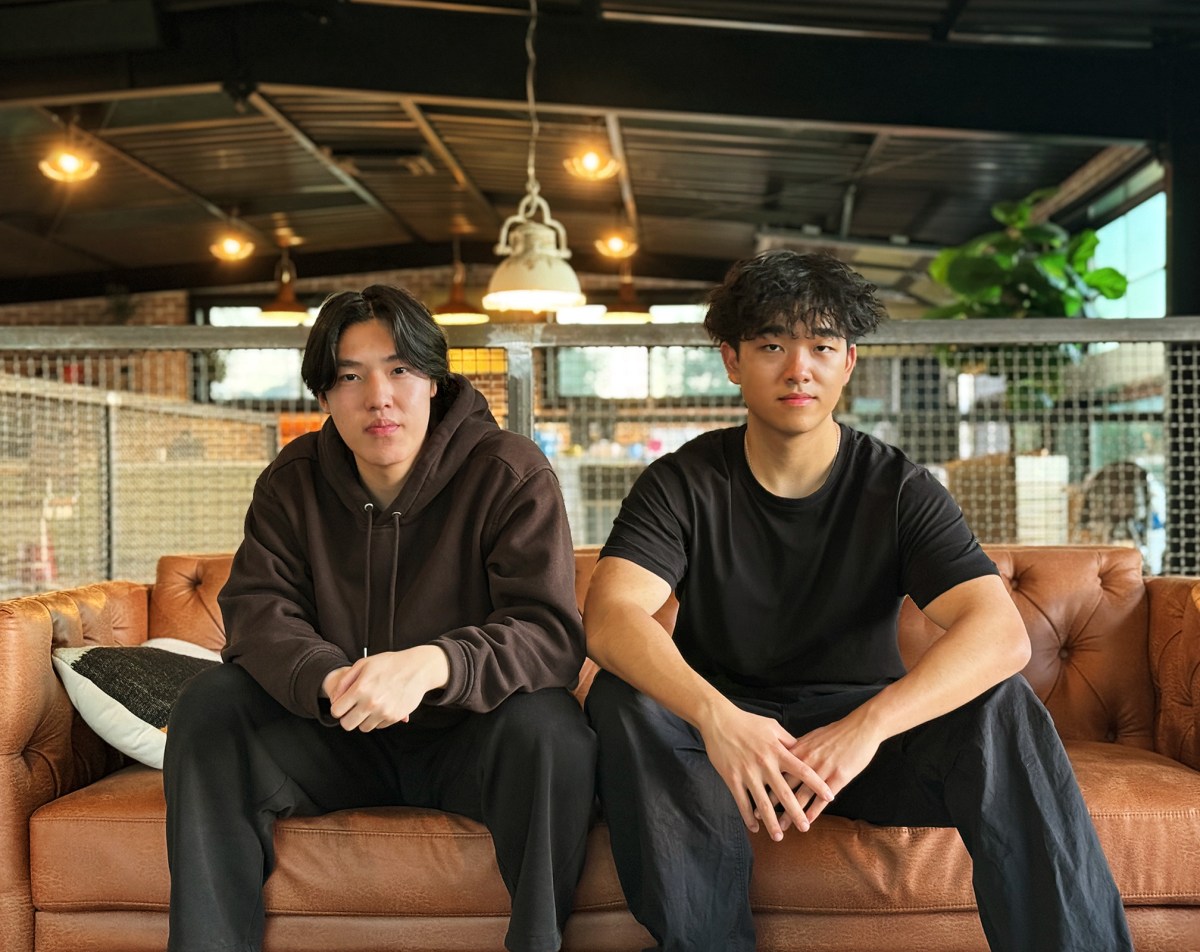
I can’t be 100% certain that 19-year-old Justin Jin isn’t playing an elaborate prank on me. In my defense, Jin’s company Giggles, which he describes as “a cross between a trading app and TikTok,” started as a joke.
“This was around 2023, there were rumors like TikTok being banned, and people were trying to find new social media platforms,” Jin told TechCrunch. “So I started this meme about an app called Giggles, which wasn’t real at the time, but it went viral on TikTok.”
This name is a play on an existing joke. People on TikTok see someone post an old meme and reply, “Dude, I got banned from Google for laughs.” This is supposed to be a place (like a thread) for millennials to post their grievances, but that’s not reality. But then Jin made it a reality.
Jin said he created a landing page for the fake app and a logo to make it look like it was a real Google app. The site included a field where you could sign up for a waiting list. The site received 100,000 hits in one day, so Jin called his friend Edwin Wang to actually build the app.
Jin and Wang weren’t roommates at Stanford, colleagues at McKinsey, or friends at a startup incubator — no, Jin met his co-founder when he was a YouTuber running a shady marketplace on Minecraft that was eventually shut down for violating the platform’s monetization rules.
The new company Jin will eventually found, which could only come from a Minecraft YouTuber collecting NFTs, is a TikTok-meets-Kalshi marketplace where users can post “brain rot” videos and invest “aura points” in them. Soon, the app will allow users to invest real cryptocurrencies instead of Aura. Investing early in your meme and gaining attention will reap the rewards. It’s still in invite-only beta, but Jin says 450,000 users have signed up.
“Our goal is to be the first crypto app that people spend more than 30 minutes per day on,” Jin said. “If we can be a really well-crafted doomscrolling feed, we think we can naturally tap into people’s dopamine cycles, which will help us retain users.”

A crypto-based meme trading app that taps into people’s dopamine cycles? Co-founder of Minecraft YouTuber? Just raised $1,234,567? I became paranoid while working on this story. While writing about brain rot, my brain finally rotted, collapsing under the weight of AI-generated misinformation and the impossibility of knowing whether something on the internet is real or not.
It seems insane to think that someone might create an entire app as a joke, but we’re in the age of vibe coding and people are always trying to fool journalists. If he was already cracking jokes at Google, what if TechCrunch became the next target of this strangely niche, minor humiliation? What if I became known as the writer who took Giggles seriously and derailed my career because I trusted a charismatic 19-year-old who was selling fidget spinners on the playground?
My suspicions were not completely unfounded. When I investigated Jin’s previous company, Mediababy (formerly Poybo), the testimonials and press clippings on the site were questionable. I asked the journalists quoted on Mediababy’s website if their testimonies were genuine, but they had no idea what I was talking about. Perhaps it’s a sign that young founders are flying a little too close to the sun with their growth hacks, but it just struck me as unpleasant.
I started feeling like a Pepe Silvia meme, driving myself crazy, finding unrelated clues that I could connect to to prove a point. The launch video also includes a short clip of a Rickroll meme, could this be a sign?
Giggles’ $1,234,567 funding was led by 1k(x). So, while I was already communicating via email with the company’s head of marketing, I reached out to several 1k(x) investors to confirm their participation. Some scammers spoofed TechCrunch’s domain to target the founders – what if Jin had done the same thing? At this point I couldn’t trust anyone!
Eventually, I received confirmation from 1k(x) that this transaction was genuine. I also ate dinner and went out. And I felt really stupid sending a LinkedIn DM. (Although we must admit that these false testimonies are strange.)
Normally, I don’t have the luxury of devoting half of a startup article to my own endless anxiety. But in Giggles’ case, it kind of makes sense. I remembered something Jin said while we were talking.
“I feel like bots are taking over these social media platforms, and the current advertising model for bots is getting likes and impressions… so I think bots are going to be a big problem,” he said. “I think there’s going to be a downstream effect of actually organizing information as people trade and speculate about what’s going viral.”
The next generation of social media apps must be built with the knowledge that they will be filled with AI-generated content and suspicious bot behavior. The promise of social media is to use the internet to bring people closer together, but we’re approaching a time when we won’t be able to find each other amidst all the chaos. No wonder Jin’s generation embraced a particularly nihilistic approach to humor, calling their creations brain rot.
“It’s easier for everyone to create more content, and people are telling the truth more because they can be anonymous. They’re not going to use, say, Facebook to post some brain rotten stuff,” he said. “And to be honest, I think a lot of young people are going a little crazy. It’s a very strange world right now.”
Giggles, which we’re 99% sure is a real company at this point, has eight employees, ranging in age from 19 to 38. Jin himself is the youngest.

“Starting a company is very risky,” he says. “It’s basically gambling. You’re just betting on yourself and thinking you’re better than your job.”
I asked him if he thought Giggles was gambling.
“I don’t think of it as gambling. I think lottery tickets are gambling. I think pure chance things are gambling. They’re pretty extractive,” he said.
But he also acknowledges that he is basically replicating a meme coin. Memecoins are meme-based cryptocurrencies that have no inherent value and are often the subject of rug-pulling scams.
“A lot of people say meme coins are kind of zero-sum, and at this point, to be honest, they probably are,” Jin said. “But when you see them actually organizing information and providing a lot of entertainment, I think we can be a platform that provides a lot of information to the world.”
That’s not to say that Giggles will actually solve the bot problem and make the internet more human by betting his crypto on the Brainrot meme. But the least we can say is that Jin will be an interesting founder to watch, and he’s (probably) not kidding you.
Source link

