
EU pledges €700 million to Global Fund to tackle global health challenges
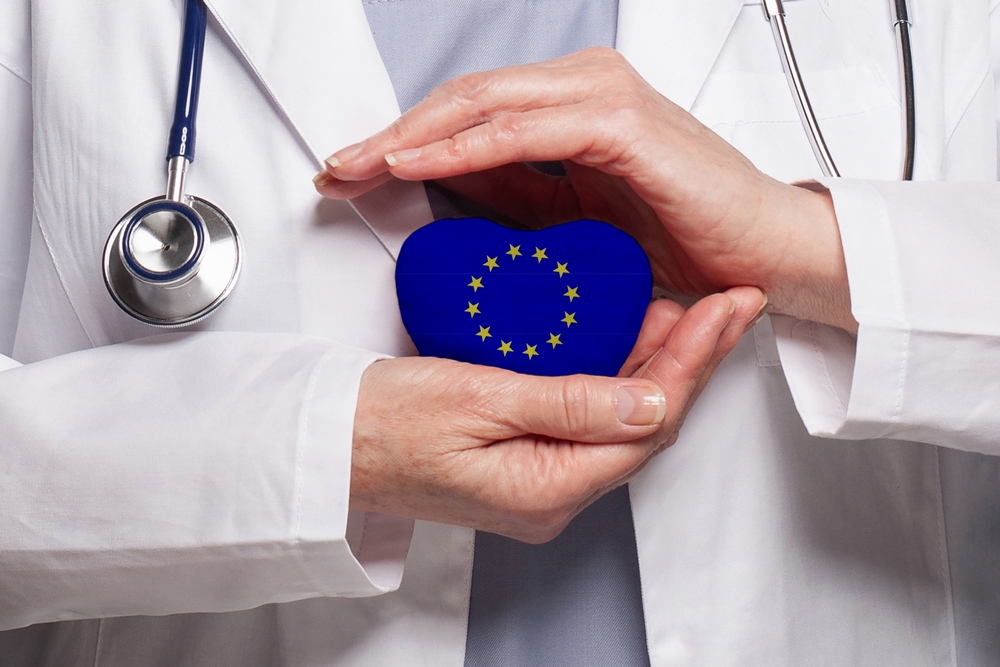
The European Commission has announced plans to contribute €700 million to the Global Fund, reinforcing its position as a key player in global health financing.
The pledge, announced by Secretary-General Joseph Siquera at the One Health Summit in Lyon, is part of a broader package aimed at tackling infectious diseases and strengthening health systems around the world.
In addition to the headline contribution, the EU will allocate additional funding to combat antimicrobial resistance (AMR) and support research into neglected diseases, demonstrating a multifaceted approach to some of the most pressing global health threats.
Commenting on the large-scale financial support, Mr. Sikela said: “Global health security is a shared responsibility and a strategic investment in our common future.
“With its support to the Global Fund and the new One Health Initiative with Africa, the European Union confirms its commitment to strengthening health systems and global health resilience.
New initiatives for the Global Fund
The investment of EUR 700 million will contribute to the Global Fund’s eighth replenishment cycle, covering the period 2027-2029. Of this, €185 million will be made available immediately through the EU’s current long-term budget.
Since its founding in 2002, the Global Fund has played a key role in reducing deaths from HIV, tuberculosis and malaria, particularly in low- and middle-income countries.
We are also investing significantly in strengthening health systems and improving access to care for vulnerable populations, including women and girls.
The EU, together with its member states, is known as ‘Team Europe’ and remains one of the largest contributors. The companies have pledged more than €3 billion in future replenishments, accounting for about a third of all donor funding to the Global Fund.
This latest effort is in line with the EU’s upcoming global health resilience initiative, first outlined by European Commission President Ursula von der Leyen in her 2025 State of the Union address.
The initiative is expected to begin before the summer and will define strategic priorities for future global healthcare investments.
Tackling AMR across the continent
In addition to funding the Global Fund, the European Commission has allocated €46.5 million to strengthen health security cooperation between Europe and Africa, with a focus on antimicrobial resistance.
AMR is widely recognized as one of the most serious threats to global health. Without intervention, up to 10 million people a year could die by 2050, almost half of which are predicted to occur in Africa.
Europe is already experiencing the effects, with more than 35,000 deaths each year related to resistant infections.
The new funding will support surveillance systems, improve testing and diagnostic capacity, and strengthen prevention and control measures across multiple levels, from countries to continents.
It also helps build a stronger One Health workforce by integrating approaches to human, animal, and environmental health.
Implementation will include collaboration with key institutions such as the European Center for Disease Prevention and Control, the African Center for Disease Prevention and Control and the European Food Safety Authority, as well as research partnerships such as the European and Developing Country Clinical Trials Partnership and the International Center for Antimicrobial Resistance Solutions.
Investment in research and development
A further 50 million euros will be earmarked for research and development targeting AMR and neglected tropical diseases. Of this amount, €30 million will support the development of new antibiotics and medical countermeasures.
The funds, managed by KfW, will benefit initiatives such as CARB-X and the Global Antibiotic Research and Development Partnership (GARDP).
These organizations are focused on accelerating both early-stage research and late-stage clinical development to ensure a stable pipeline of therapeutics against resistant infections.
An additional €20 million agreement has been signed with the French Development Agency to support the Drugs for Neglected Diseases Initiative (DNDi).
The funding will help accelerate the development of treatments for dengue fever, which is expected to become more prevalent in Europe due to climate change and changing patterns of vector-borne diseases.
Strengthening global health systems
Taken together, the European Commission’s latest initiatives reflect a broader strategy to strengthen global health resilience.
By combining direct contributions to the Global Fund with targeted investments in AMR and research and development, the EU is positioning itself at the forefront of efforts to address existing and emerging health threats.
The emphasis on partnership, particularly between Europe and Africa, also emphasizes the need for cross-border and coordinated solutions to global health challenges.
As the Global Health Resilience Initiative takes shape, these investments are likely to form the backbone of the EU’s long-term approach to protecting health systems around the world.
Source link

